
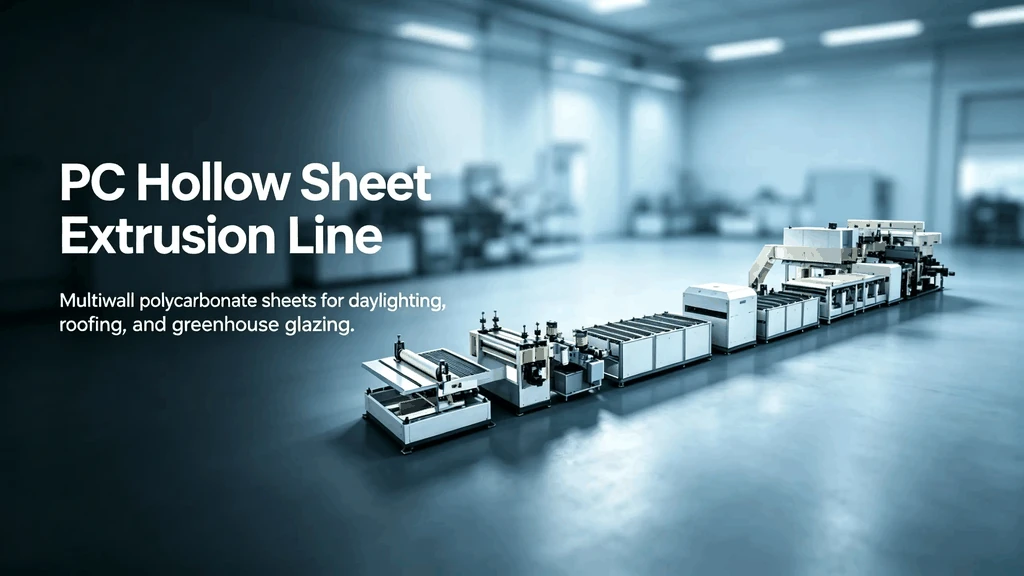
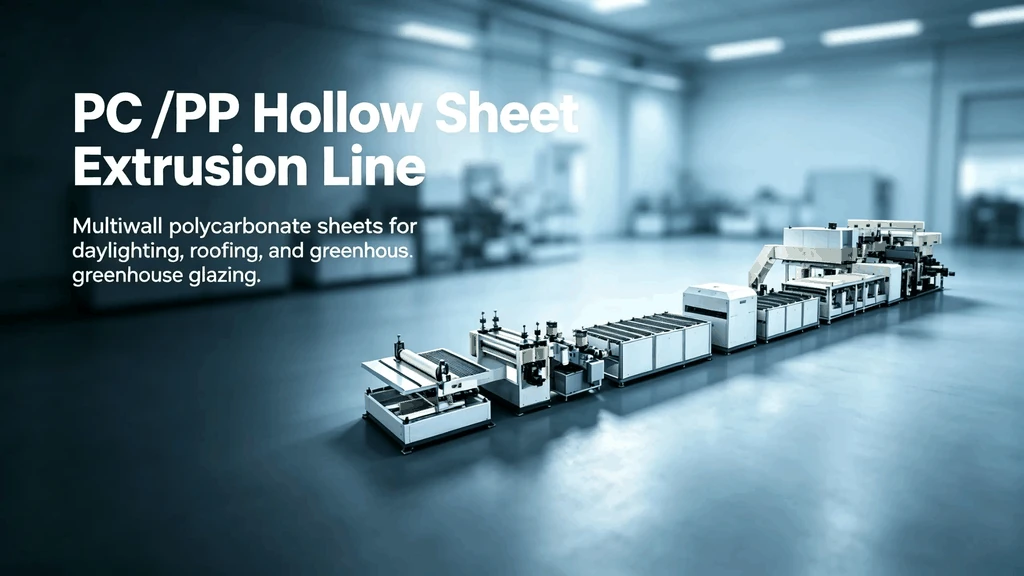
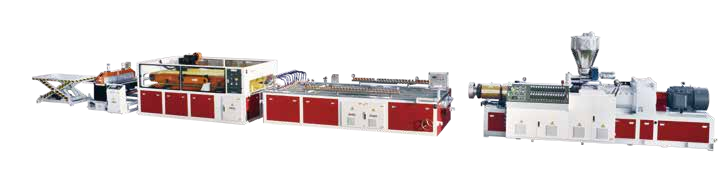
PP Hollow Grid Sheet Line

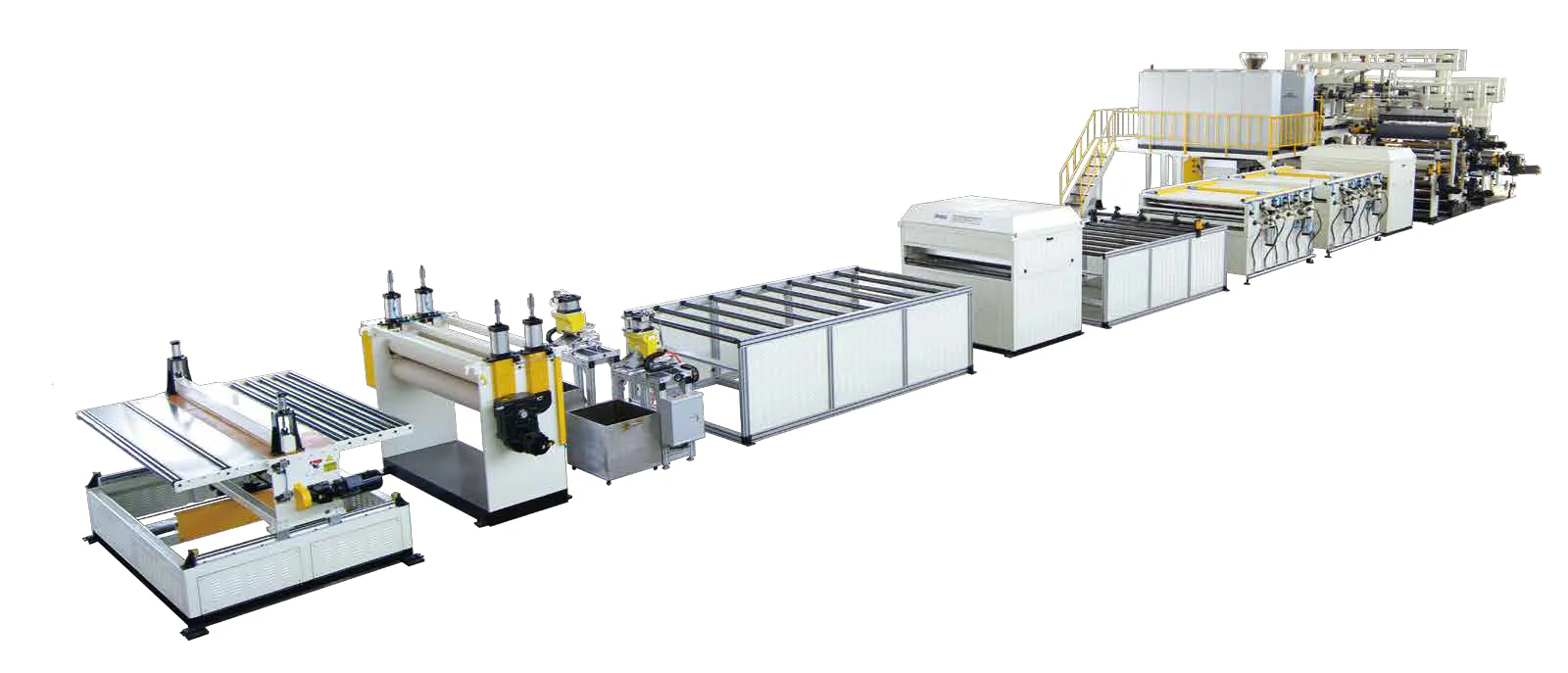
Complete turnkey PP/PE hollow grid sheet extrusion line. Production flow: Volumetric feeder → Single screw extruder (100/120) → Melt pump → Hydraulic screen changer → Hollow cross-section die → Vacuum sizing tank → No.1 Haul-off + edge cutting → Annealing furnace → Wind cooling → Corona treatment → Film coating unit → No.2 Haul-off → Cutter → Conveyor → Electrical cabinet. Output: 200-500kg/h, sheet width up to 2100mm, thickness 2-25mm, 2-7 wall configurations.

Full technical specification table grouped by Extruder, Die, Production, and Control parameters (see Section 九).

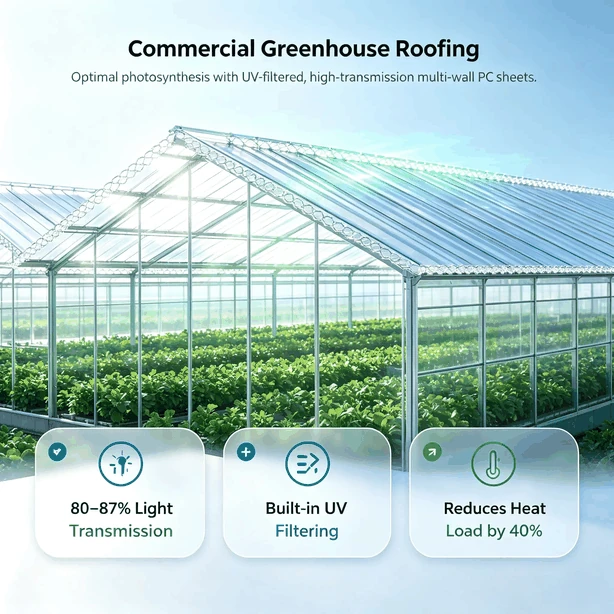
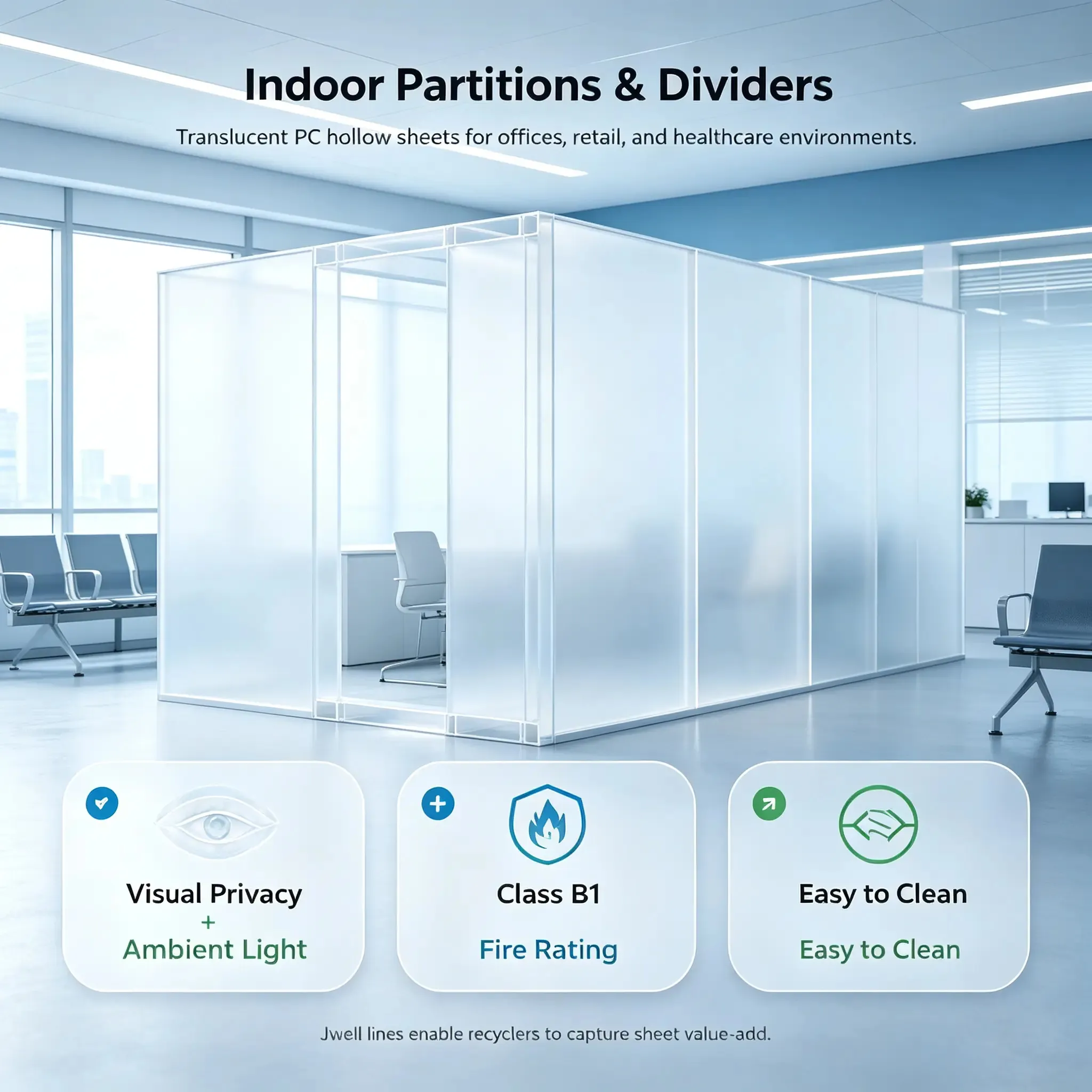
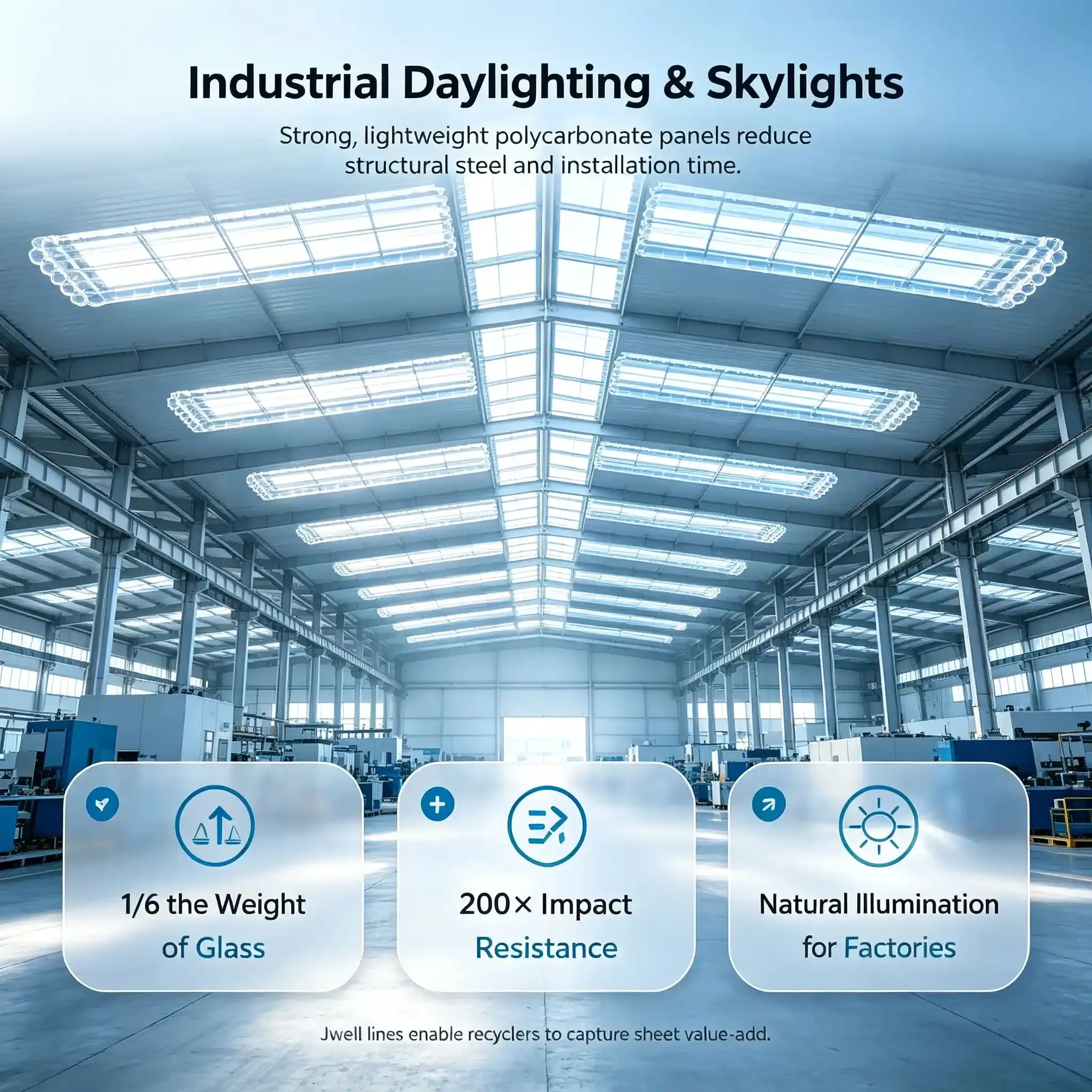
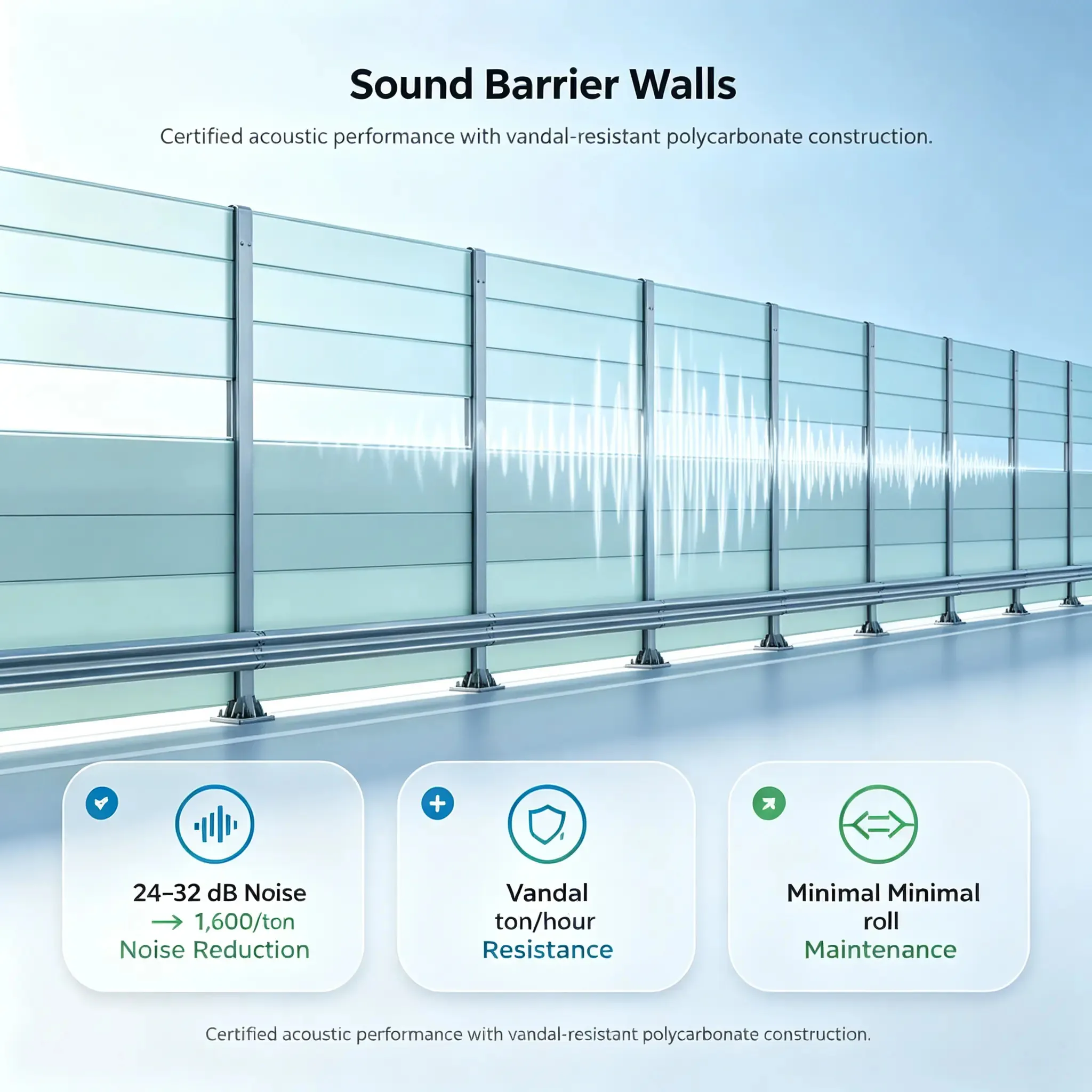
Four primary application segments with detailed use-case descriptions (see Section 十).

PP Hollow Grid Sheet Line: Related JWELL Extrusion Lines

The PP Hollow Grid Sheet Line is part of JWELL’s complete extrusion portfolio. Customers evaluating this PP Hollow Grid Sheet Line also frequently request our PP Hollow Sheet Line | Jwell Machinery and PC Hollow Sheet Line | Jwell Machinery, which share the same proven screw, die and control platforms. For layout drawings, pricing and lead times, contact JWELL Machinery directly.

# Item Key Point
1 🌀 Hollow Cross-Section Die Technology Custom grid, U-type lock, and multi-cell profiles CNC-machined to ±0.1mm tolerance for structural integrity and modular assembly
2 ⚡ Vacuum Sizing + Annealing Furnace Precision web geometry with ±0.5°C cooling control, followed by stress-relief annealing that reduces warpage by 70-80%
3 🎯 Corona Treatment Raises PP surface energy from 30-35 to 55-70 dynes/cm, enabling strong printing adhesion and film lamination bonding
4 🔄 Film Coating/Lamination Unit Integrated in-line lamination with peel adhesion of 3-5 N/15mm, eliminating offline processing decay gap
5 🔧 2-7 Wall Configurations Flexible die system supports 2-wall through 7-wall (X-structure, rectangular) profiles for lightweight to heavy-duty applications
6 ✅ Single Screw Extruder 100/120 38CrMoAlA nitrided screw, HV>=740/940, 33:1 L/D barrier design with Maddock mixing for complete melt homogeneity
7 ♻️ CE & ISO 9001 Certified WEG motors, ABB inverters, Siemens PLC, Schneider electrical — international reliability standards

Hollow Cross-Section Die Technology

Jwell’s hollow cross-section die system produces structured grid profiles with parallel walls connected by vertical ribs — the defining geometry of corrugated plastic sheets used in packaging, construction, and signage. The die mandrel and outer lip are CNC-machined from hardened tool steel to micron-level tolerances, ensuring uniform wall distribution across the full sheet width. Available die configurations include:

– Standard rectangular grid — 2-wall through 7-wall profiles for general packaging and partition applications

– U-type lock profile — Interlocking edge design for modular assembly of packaging crates, reusable pallets, and construction formwork panels

– Multi-cell/X-structure — Enhanced insulation and structural rigidity for greenhouse roofing and heavy-duty signage

– Custom profiles — Bespoke rib geometry and wall configurations designed from customer-provided drawings with 3-4 week turnaround

The die incorporates an adjustable lip system for fine-tuning sheet thickness during production, and the coat-hanger manifold ensures even melt flow distribution to all channels simultaneously. Die changeover time between profile configurations is approximately 2-3 hours with guided alignment fixtures.

Vacuum Sizing + Annealing Furnace

The vacuum sizing tank uses individually controlled cooling zones with temperature variance maintained within ±0.5°C across the full sheet width. Vacuum is applied through precision-machined calibrator blocks that define the final cross-section geometry, pulling the still-soft extrudate against the calibrator surfaces to freeze the profile shape with dimensional accuracy within ±0.1mm. This dual-action cooling and vacuum forming eliminates the wall-thickness irregularities and stress concentrations that degrade structural performance in grid sheets.

Following sizing, the annealing furnace provides controlled thermal stress relief. PP hollow grid sheets — particularly those used in construction formwork where flatness under load is critical — benefit significantly from annealing, which reduces post-production bowing by 70-80% and improves long-term dimensional stability under thermal cycling. The annealing zone maintains sheet temperature at 90-110°C for a calibrated dwell time before wind cooling returns the sheet to ambient temperature for downstream processing.

Corona Treatment + Film Coating

The integrated corona treatment station raises PP surface energy from its native 30-35 dynes/cm to 55-70 dynes/cm, transforming the inherently non-polar polypropylene surface into one that readily accepts inks, adhesives, and laminate films. This treatment window is critical for packaging crate printing, signage UV-cured graphics, and adhesive bonding in assembled structures. The corona unit uses high-frequency discharge electrodes positioned immediately after the wind cooling section, treating both upper and lower sheet surfaces simultaneously.

Film coating/lamination follows corona treatment in an integrated in-line sequence, applying protective or decorative films (anti-scratch, UV-blocking, printed overlay) with peel adhesion strength of 3-5 N/15mm — well above the 1.5 N/15mm threshold required for most packaging and signage applications. This inline corona-to-lamination process eliminates the treatment decay gap (30-90 days for untreated storage) that causes adhesion failure in offline or delayed lamination workflows.

Multi-Wall Capability (PP + PC)

The extrusion platform supports both PP/PE hollow grid sheet production and PC multi-wall hollow sheet production with appropriate die and process configuration changes:

– PP/PE mode: 2-7 wall grid profiles, thickness 2-12mm, for packaging crates, pallets, formwork, signage, partitions

– PC mode: 2-7 wall multi-wall profiles, thickness 4-25mm, for greenhouse roofing, skylights, sound barriers, with optional co-extrusion UV protection layer (30-60 microns, 10+ year outdoor weathering)

The same single screw extruder (100/120) processes both material families with screw design optimized via the Maddock mixing section for each resin’s viscosity characteristics. Die changeover between PP grid and PC multi-wall configurations takes approximately 3-4 hours. This dual-material capability allows manufacturers to serve both the packaging/construction and glazing markets from a single equipment investment.

Technical Specifications

Extruder Parameters

Parameter Specification
Extruder Type Single screw extruder
Screw Diameter Φ100 mm / Φ120 mm
Screw Material 38CrMoAlA, nitrided 0.5-0.7mm
Screw Surface Hardness HV >= 740 (surface), HV >= 940 (nitrided layer)
L/D Ratio 33:1 (barrier screw with Maddock mixing section)
Main Motor Power 132-250 kW
Melt Pump Integrated gear pump for stable die pressure
Screen Changer Hydraulic screen changer, continuous operation
Feeder Volumetric feeder with adjustable throughput
Applicable Materials PP, PE, PC (virgin and regrind up to 30%)
Co-extruder (PC UV mode) Φ45 mm / Φ55 mm for UV co-extrusion layer

Die Parameters

Parameter Specification
Die Type Hollow cross-section die (grid, U-type lock, multi-cell)
Sheet Structure 2-wall, 3-wall, 4-wall, 5-wall, 7-wall (X-structure, rectangular)
Sheet Width 1,220 mm, 2,100 mm (custom widths available)
Sheet Thickness (PP/PE) 2-12 mm
Sheet Thickness (PC) 4-25 mm
Die Lip Adjustment Adjustable lip with fine-tuning during production
Die Manifold Coat-hanger design for uniform melt distribution
Custom Profile Turnaround 3-4 weeks from approved drawings

Production Parameters

Parameter Specification
Production Capacity 200-500 kg/h
Calibration System Vacuum sizing tank with individually controlled cooling zones
Temperature Control Accuracy ±0.5°C across full sheet width
Dimensional Accuracy ±0.1mm profile tolerance
No.1 Haul-off Edge cutting + synchronized pull
Annealing Furnace 90-110°C controlled stress relief, reduces warpage 70-80%
Wind Cooling Post-annealing ambient return
Corona Treatment 30-35 → 55-70 dynes/cm surface energy (dual surface)
Film Coating Peel adhesion 3-5 N/15mm
No.2 Haul-off Final synchronized pull before cutting
Cutter Automatic length-cutting saw
Conveyor Sheet transport to stacking area
Haul-Off Speed 0.5-6.0 m/min

Control Parameters

Parameter Specification
PLC Siemens S7-1200 / S7-1500
HMI Touchscreen interface with recipe management
Motor Brand WEG
Inverter Brand ABB
Electrical Components Schneider
Remote Diagnostics VPN-enabled remote PLC access
Alarm System Over-temperature, over-pressure, motor overload auto-shutdown
Certification CE, ISO 9001

十三、[M] 询价表单

Field # Field Name / Type / Required / Notes
1 Company Name / text / Yes / Full legal entity name
2 Contact Person / text / Yes / Name and title
3 Email / email / Yes / Primary business email
4 Phone / WhatsApp / tel / Yes / Include country code
5 Country / select / Yes / Drop-down list
6 Target Material / select / Yes / PP / PE / PC / Multi-material
7 Sheet Application / select / Yes / Packaging crates / Pallets / Construction formwork / Greenhouse / Signage / Partitions / Other
8 Sheet Width / select / Yes / 1220 mm / 2100 mm / Custom
9 Wall Configuration / select / No / 2-wall / 3-wall / 4-wall / 5-wall / 7-wall / Custom
10 Corona & Film Lamination / checkbox / No / Corona treatment / Film coating / Both / None
11 Message / Special Requirements / textarea / No / Custom profiles, output capacity, delivery timeline, etc.

Responsive Breakpoints

Breakpoint Width / Layout
Desktop >= 1200px / Full grid layout, side-by-side gallery + specs
Tablet 768-1199px / 2-column specs, stacked gallery, horizontal tabs
Mobile < 768px / Single column, swipe gallery, accordion FAQ, collapsed specs table

十五、待补充资源清单

Resource Type / Status / Notes
Die profile cross-section drawings Image / Needed / Technical diagrams showing 2-wall, 3-wall, 5-wall, 7-wall, U-type lock geometries
Packaging crate application photos Image / Needed / Real-world PP hollow grid crates and pallets in use
Construction formwork photos Image / Needed / PP grid sheets as concrete formwork panels on construction sites
Signage application photos Image / Needed / Printed hollow grid signage boards with corona-treated surfaces
Annealing furnace close-up Image / Needed / Detail photo of annealing unit on the production line
Corona treatment station close-up Image / Needed / Detail photo of corona discharge unit
Film lamination unit close-up Image / Needed / Detail photo of in-line film coating station
Edge cutting unit detail Image / Needed / No.1 haul-off with edge trimming mechanism
Customer testimonial — packaging Text / Needed / Quote from packaging manufacturer using Jwell PP grid line
Customer testimonial — formwork Text / Needed / Quote from construction company using Jwell PP grid sheets for formwork
Production line layout diagram Image / Needed / Floor plan showing full line component arrangement (35m × 12m)
Screw hardness test certificate Document / Needed / 38CrMoAlA nitriding verification report (HV>=740, HV>=940)
Product brochure PDF Document / Needed / Downloadable spec sheet for lead generation

App 1: Packaging Crates & Pallets

PP hollow grid sheets are the structural backbone of corrugated plastic packaging crates and reusable pallets used across logistics, agriculture, and food processing industries. The lightweight yet rigid grid structure provides impact resistance at a fraction of the weight of solid plastic or wooden alternatives, while the U-type lock profile enables snap-fit modular assembly without fasteners. Corona-treated surfaces accept direct printing for branding, barcodes, and handling instructions, while film lamination adds anti-scratch and moisture-barrier layers for repeated-use cycles. Typical sheet specifications for this application: 3-5mm thickness, 2-4 wall structure, 350-600 g/m² weight range.

App 2: Construction Formwork

PP hollow grid sheets replace traditional timber and steel formwork panels in concrete casting applications, offering weather resistance, flatness retention, and 50+ reuse cycles versus 5-10 for timber. The annealing furnace step is critical for this application — it ensures dimensional stability and flatness under the hydraulic pressure of wet concrete, reducing deflection and surface blemishes on finished concrete. Grid sheets for formwork typically use 5-7 wall configurations at 8-12mm thickness, with film-laminated surfaces that resist concrete adhesion for easy demolding and cleaning between uses.

Frequently Asked Questions

What is the recommended virgin-to-regrind ratio for PP hollow grid sheet production? -

Jwell’s extrusion system reliably processes up to 30% clean in-house PP regrind without degradation in structural properties. For packaging crate applications where impact strength is critical, we recommend limiting regrind to 15-20%. PP regrind does not require the same rigorous drying protocol as PC, but moisture content should still be kept below 0.05%.

How does corona treatment improve hollow grid sheet performance? +

Corona treatment raises the sheet surface energy from approximately 30-35 dynes/cm (untreated PP) to 55-70 dynes/cm, creating a treatment window that enables strong adhesive bonding for printing, labeling, and film lamination. The treatment effect is immediate and measurable, though it decays over 30-90 days depending on storage conditions, so downstream processing should occur within this window.

What is the adhesion quality of film lamination on PP hollow grid sheets? +

When corona treatment is applied before film lamination, peel adhesion strength reaches 3-5 N/15mm, well above the 1.5 N/15mm threshold required for most packaging and signage applications. Jwell’s integrated corona-to-lamination sequence eliminates the decay gap that causes adhesion failure in offline processes.

Can Jwell customize hollow cross-section profiles beyond standard grid patterns? +

Yes. Jwell offers custom hollow cross-section die design for specialized structural requirements — including U-type lock profiles for modular assembly, reinforced rib configurations for heavy-duty pallets, and multi-cell geometries for enhanced insulation. Die design turnaround is typically 3-4 weeks from approved profile drawings, with CNC-machined tooling ensuring dimensional accuracy within ±0.1mm.

What minimum workshop requirements are needed for a PP hollow grid sheet line? +

A typical line requires a workshop floor area of approximately 35 m × 12 m with 5.5 m minimum ceiling clearance. Utilities needed: 380V/50Hz 3-phase power (adaptable to local standards), compressed air at 0.6-0.8 MPa, and process cooling water at 15-25°C with 80-120 m³/h capacity. Jwell provides complete foundation drawings and utility specifications during project planning.

Related Sheet Extrusion Lines

WPC Flooring Production Line

WPC Flooring Production Line

Extruder Type: Conical twin-screw, vented; Screw Material: 38CrMoAlA, nitrided, bimetallic optional; Screw Structure: Conical twin, designed for PVC + wood flour + CaCO₃ + foaming agent; L/D Ratio: Optimized for controlled foaming zone
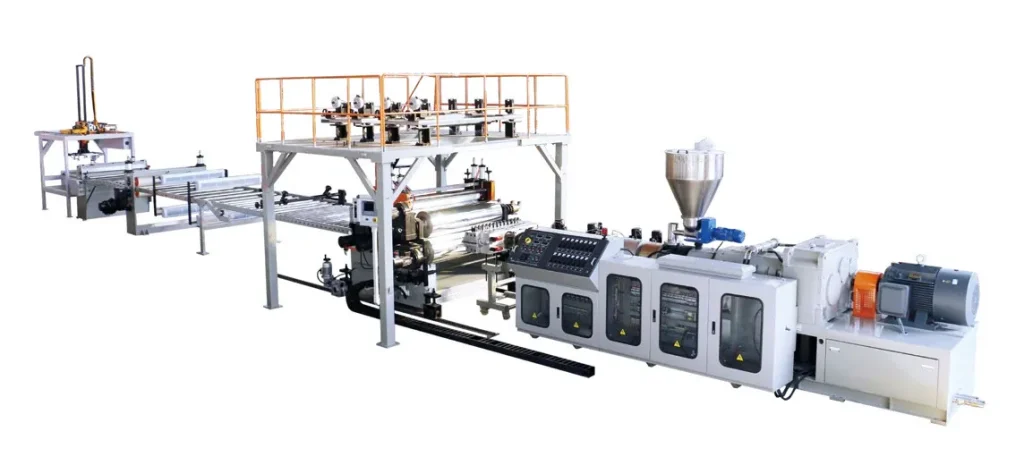
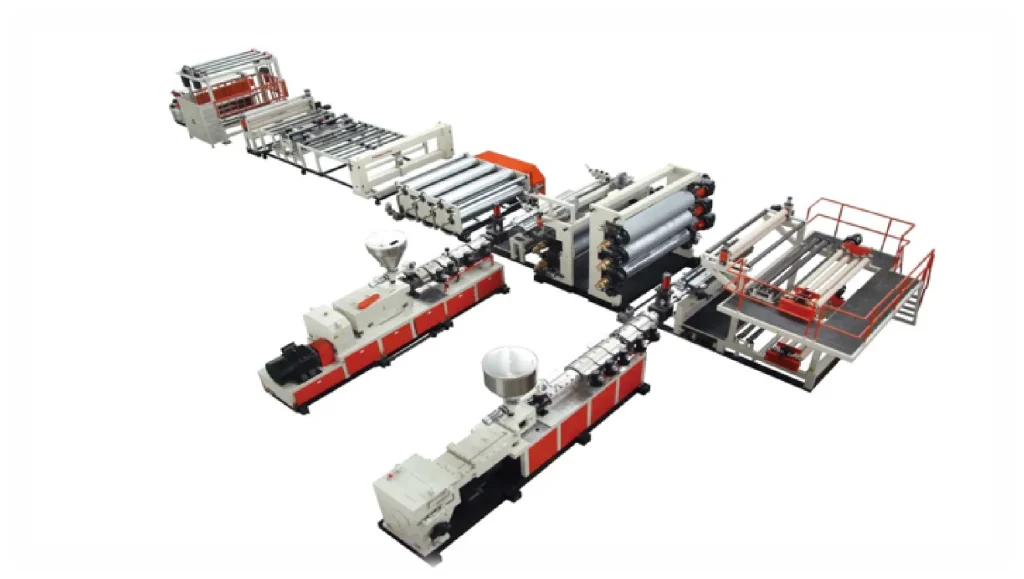
Learn More ➔
SPC Flooring Production Line

SPC Flooring Production Line

Screw Diameter: Φ 80 mm / Φ 92 mm / Φ 110 mm / Φ 180 mm; Output (24h, SPC): 6-8 T / 12-18 T / 25-32 T / 70-100 T; Line Speed at 4 mm: 0.4-0.6 m/min / 0.8-1.3 m/min / 1.8-2.4 m/min / 5-9 m/min; Screw Material: 38CrMoAlA, nitrided, bimetallic optional / ← Same / ← Same / ← Same

Learn More ➔

Why Choose Jwell for Your PET Sheet Line

🏭

Factory/Experience

Jwell has manufactured PET sheet extrusion equipment since 2005, accumulating field data from over 400 installed PET lines worldwide. Each new machine generation incorporates refinements validated across hundreds of real production environments — not just lab prototypes.

🔬

Test/Validate

Our Changzhou facility operates a full production-scale PET line for customer trials. Bring your raw materials and target specifications — we run your recipe before you commit. The line delivered to your factory is a proven configuration, eliminating startup risk.

🌍

Service/Support

Factory-trained Jwell engineers based in Brazil, Spain, Mexico, and Shanghai travel to customer sites for installation and operator training. Remote diagnostic support via WeChat/WhatsApp responds within 2 hours. Critical spares ship from Shanghai within 48 hours.

Request a Quote or Technical Consultation

Your information will never be shared with third parties.