
Geogrid extrusion line

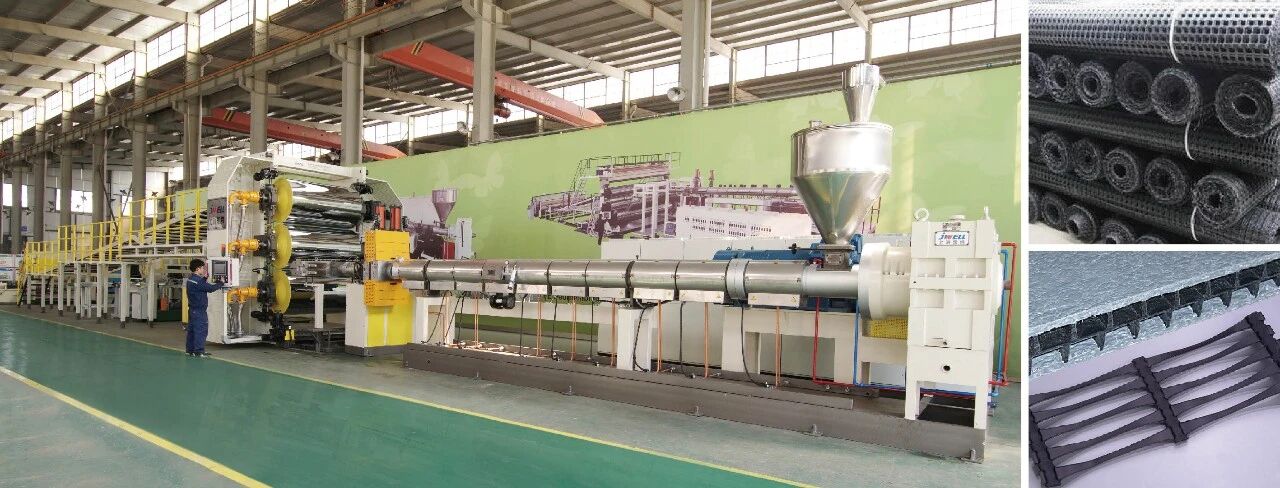
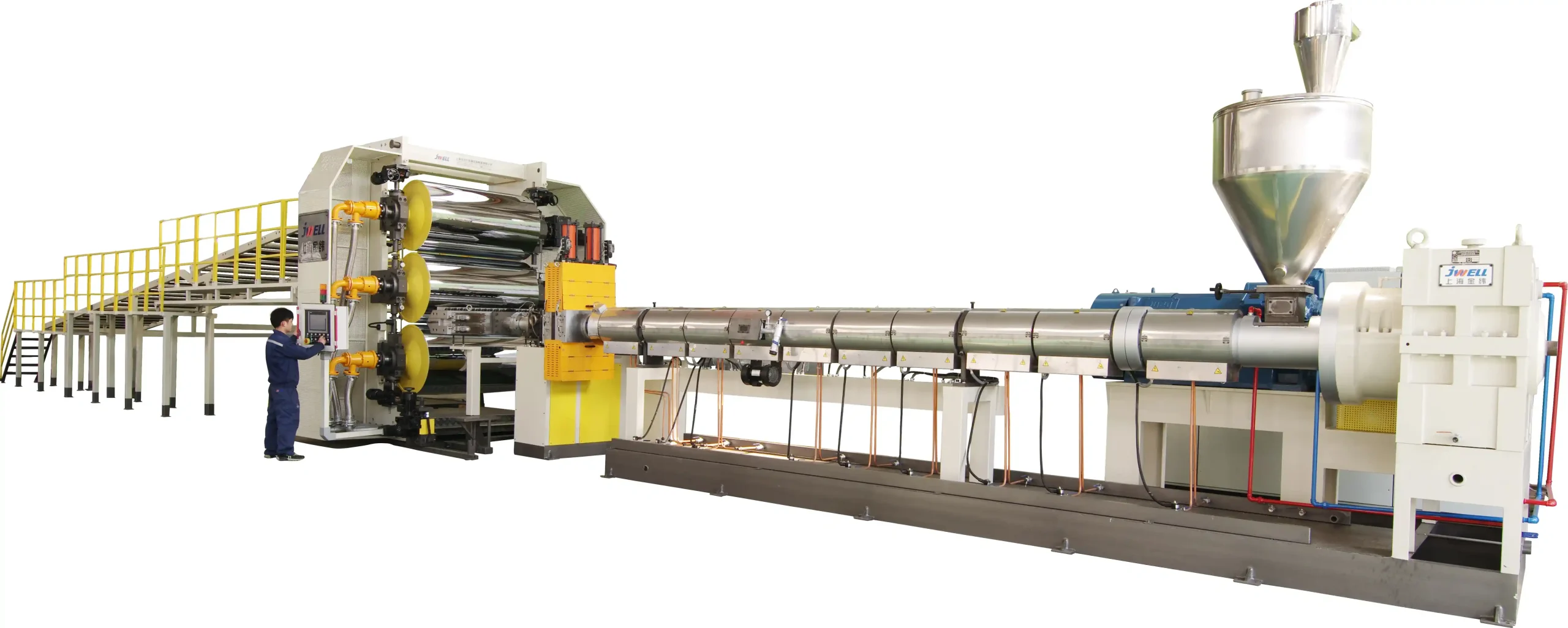
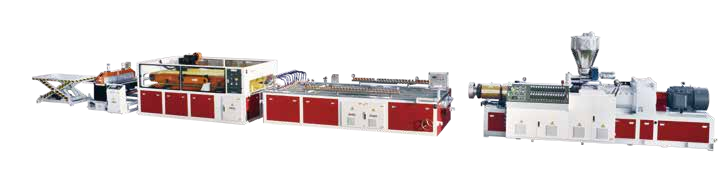
The Jwell PP (Polypropylene) geogrid extrusion line is a specialized production system designed to manufacture high-strength polypropylene geogrids used in geosynthetic soil reinforcement, road base stabilization, slope protection, and retaining wall construction applications. PP geogrids have become essential components in modern civil engineering infrastructure, providing tensile reinforcement that distributes loads, controls deformation, and extends the service life of roads, embankments, and earth-retaining structures.

Jwell’s geogrid production line utilizes a flat-sheet extrusion process followed by precision punching and stretching operations to convert extruded PP sheet into geogrid apertures with specific geometries and mechanical properties. The line produces both uniaxial geogrids (stretched in machine direction for retaining wall and slope reinforcement) and biaxial geogrids (stretched in both machine and transverse directions for road base and foundation stabilization). Output capacity ranges from 200 to 600 kg/h, with finished geogrid roll widths from 1,000 mm to 5,000 mm.

The entire production process — from raw material feeding through sheet extrusion, cooling, punching, stretching, heat setting, and winding — is centrally controlled by a Siemens PLC automation system with ABB inverter drives for each process station. WEG motors, Schneider electrical components, and precision-engineered stretching stations ensure consistent tensile properties in every meter of geogrid produced. CE certification and ISO 9001 quality management support equipment import and project specification compliance in international infrastructure markets.

Geogrid Extrusion Line: Related JWELL Extrusion Lines

The Geogrid Extrusion Line is part of JWELL’s complete extrusion portfolio. Customers evaluating this Geogrid Extrusion Line also frequently request our Geocell Extrusion Line | HDPE Geocell Welding Machine | Jwell and HDPE Geomembrane Line | Jwell Machinery, which share the same proven screw, die and control platforms. For layout drawings, pricing and lead times, contact JWELL Machinery directly.

# Item Key Point
1 🌀 Precision Punching and Controlled Orientation Stretching The production line incorporates a CNC-controlled punching station that creates a regular array of holes in th
2 ⚡ Multi-Zone Stretching Oven with Precise Temperature Profiling The stretching oven features 8-12 independently controlled temperature zones with ±1°C accuracy, allowing engi
3 🎯 Heat Setting and Dimensional Stabilization After stretching, the geogrid enters a heat-setting zone that relieves internal stresses while locking in the
4 🔄 High-Speed Production with Minimal Material Waste The punching and stretching process achieves material utilization rates of 85-92% depending on the aperture de

Precision Punching and Controlled Orientation Stretching

The production line incorporates a CNC-controlled punching station that creates a regular array of holes in the extruded PP sheet with position accuracy within ±0.1 mm. The sheet then enters a multi-zone stretching oven where it is stretched in machine direction (for uniaxial) or both machine and transverse directions (for biaxial geogrid) at carefully controlled temperatures of 120-155°C. This orientation process aligns PP polymer chains in the stretching direction, producing geogrid ribs with tensile strengths 8-12 times higher than the original cast sheet.

Multi-Zone Stretching Oven with Precise Temperature Profiling

The stretching oven features 8-12 independently controlled temperature zones with ±1°C accuracy, allowing engineers to establish precise temperature profiles that optimize molecular orientation and minimize internal stress in the stretched geogrid ribs. The oven incorporates both infrared radiant heating and convection heating elements to ensure uniform temperature distribution across the full sheet width, preventing edge effects that cause uneven tensile properties in the finished geogrid.

Heat Setting and Dimensional Stabilization

After stretching, the geogrid enters a heat-setting zone that relieves internal stresses while locking in the oriented molecular structure. This heat-setting step reduces long-term creep potential by 30-40% compared to non-heat-set geogrids, which is critical for applications where the geogrid must sustain tensile loads over 50-100 year design lives in retaining walls and embankments. The heat-set geogrid exhibits less than 2% dimensional change under loads below 40% of the ultimate tensile strength.

High-Speed Production with Minimal Material Waste

The punching and stretching process achieves material utilization rates of 85-92% depending on the aperture design and geogrid specification. The trimmed edge material from the punching operation is automatically collected by a granulation system and can be re-introduced into the extruder at rates up to 15% regrind content without affecting finished geogrid mechanical properties. This closed-loop regrind capability significantly reduces raw material costs for high-volume geogrid manufacturers.

Technical Specifications

Parameter Specification
Raw Material PP homopolymer (high molecular weight, MFI 2-5 g/10min)
Geogrid Type Uniaxial / Biaxial
Roll Width 1,000 – 5,000 mm
Aperture Size 15 × 15 mm to 40 × 40 mm (varies by design)
Rib Width 2 – 5 mm
Rib Thickness 0.5 – 3.0 mm (after stretching)
Production Capacity 200 – 600 kg/h
Tensile Strength (biaxial) 20 – 80 kN/m (MD) / 20 – 80 kN/m (TD)
Tensile Strength (uniaxial) 50 – 200 kN/m (MD)
Extruder Model JW-150/200 single-screw extruder
Die Type Flat T-die for sheet production
Stretching Ratio 4:1 to 10:1 (controlled by oven temperature & speed)
Punching Station CNC precision punching with rotary or linear punch
Electrical Components Schneider motor control center
Control System Siemens S7-1500 PLC with 12″ HMI
Power Supply 380V / 50Hz (440V/60Hz optional)
Installed Power 300 – 550 kW
Machine Dimensions (L×W×H) 55,000 × 6,000 × 4,500 mm

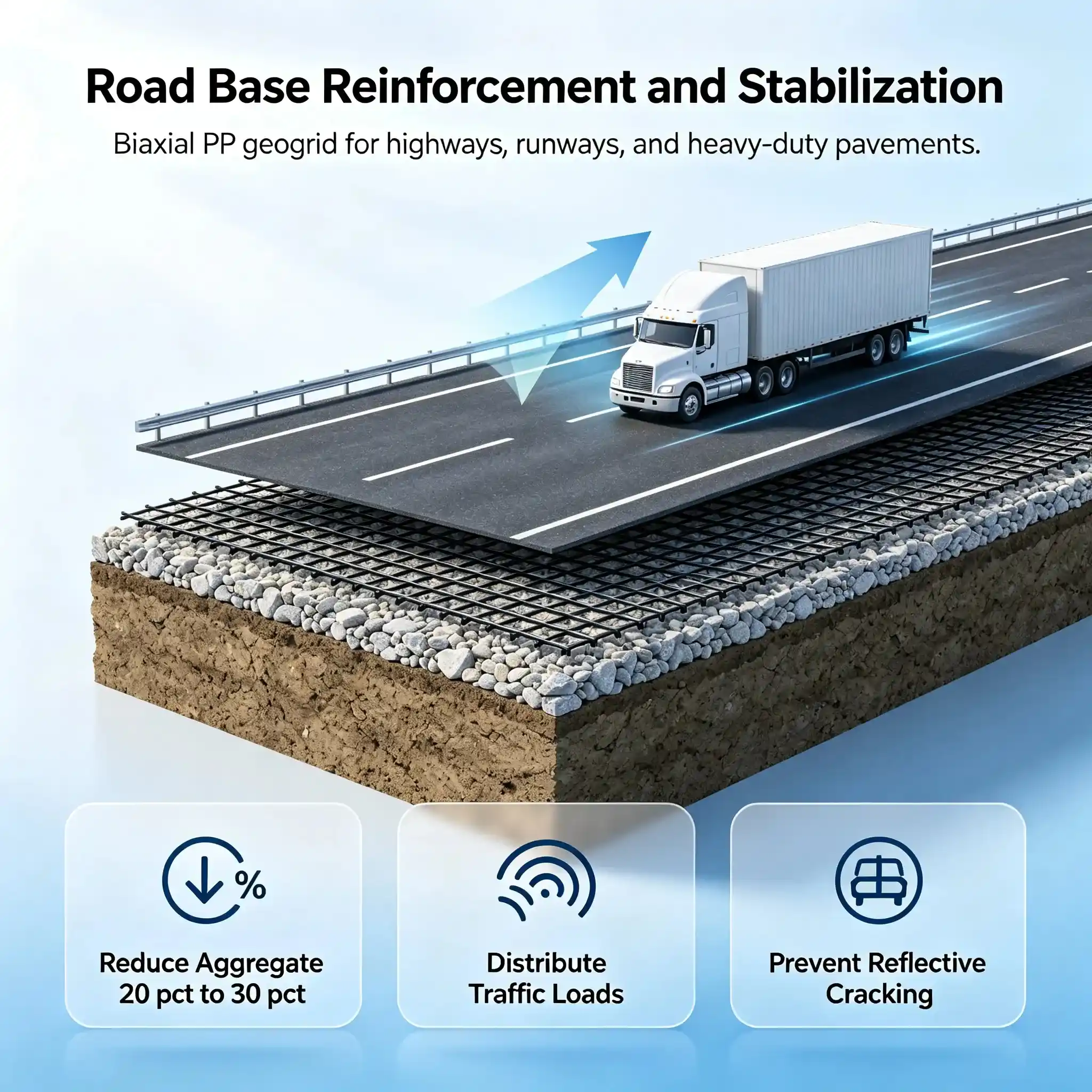
Road Base Reinforcement and Stabilization

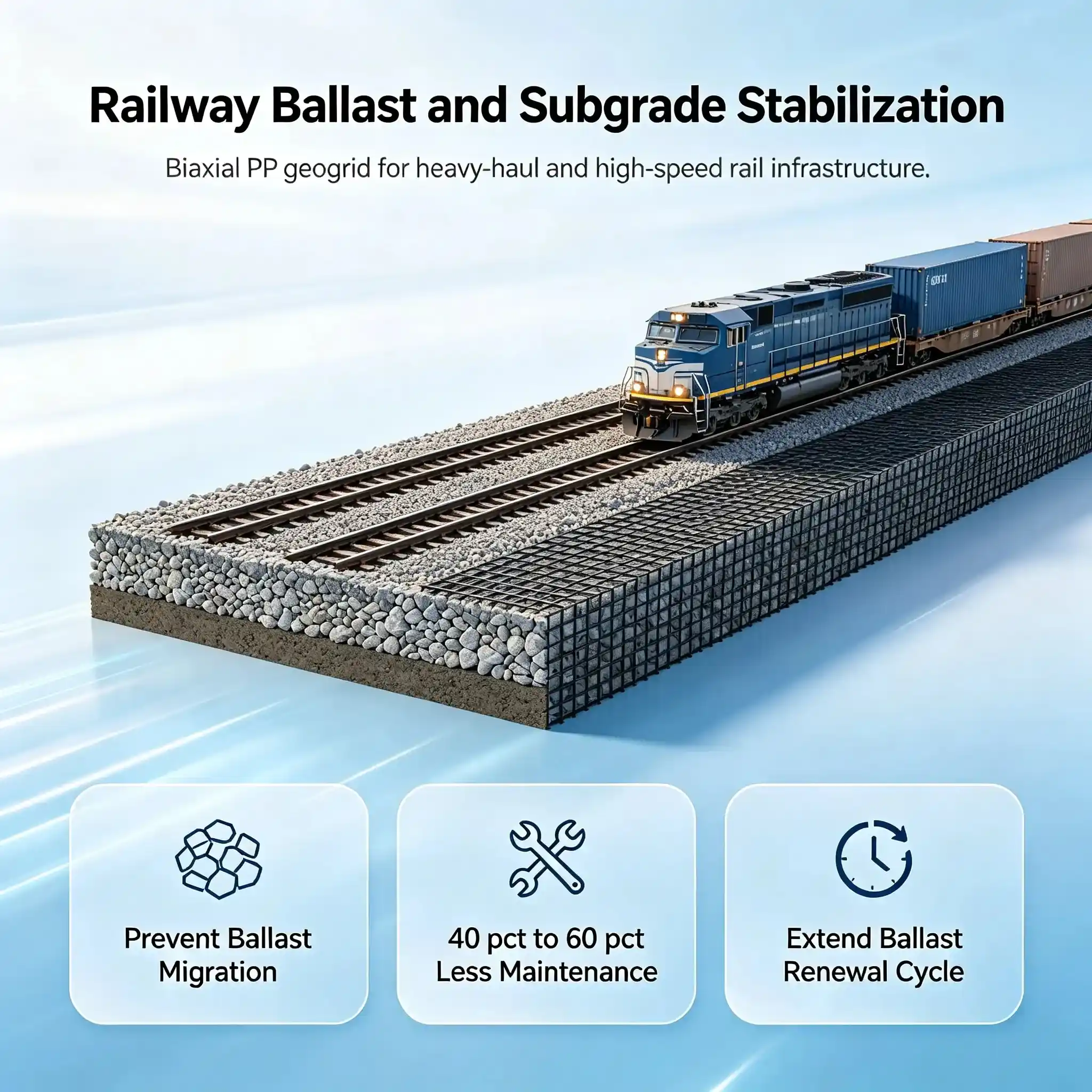
Biaxial PP geogrids produced on this line are installed between aggregate base layers and subgrade soils in road, highway, and airport runway construction. The geogrid distributes traffic loads over a wider area, reduces aggregate thickness requirements by 20-30%, and extends pavement service life by preventing differential settlement and reflective cracking. Major highway projects worldwide specify PP biaxial geogrid as a standard base reinforcement layer.

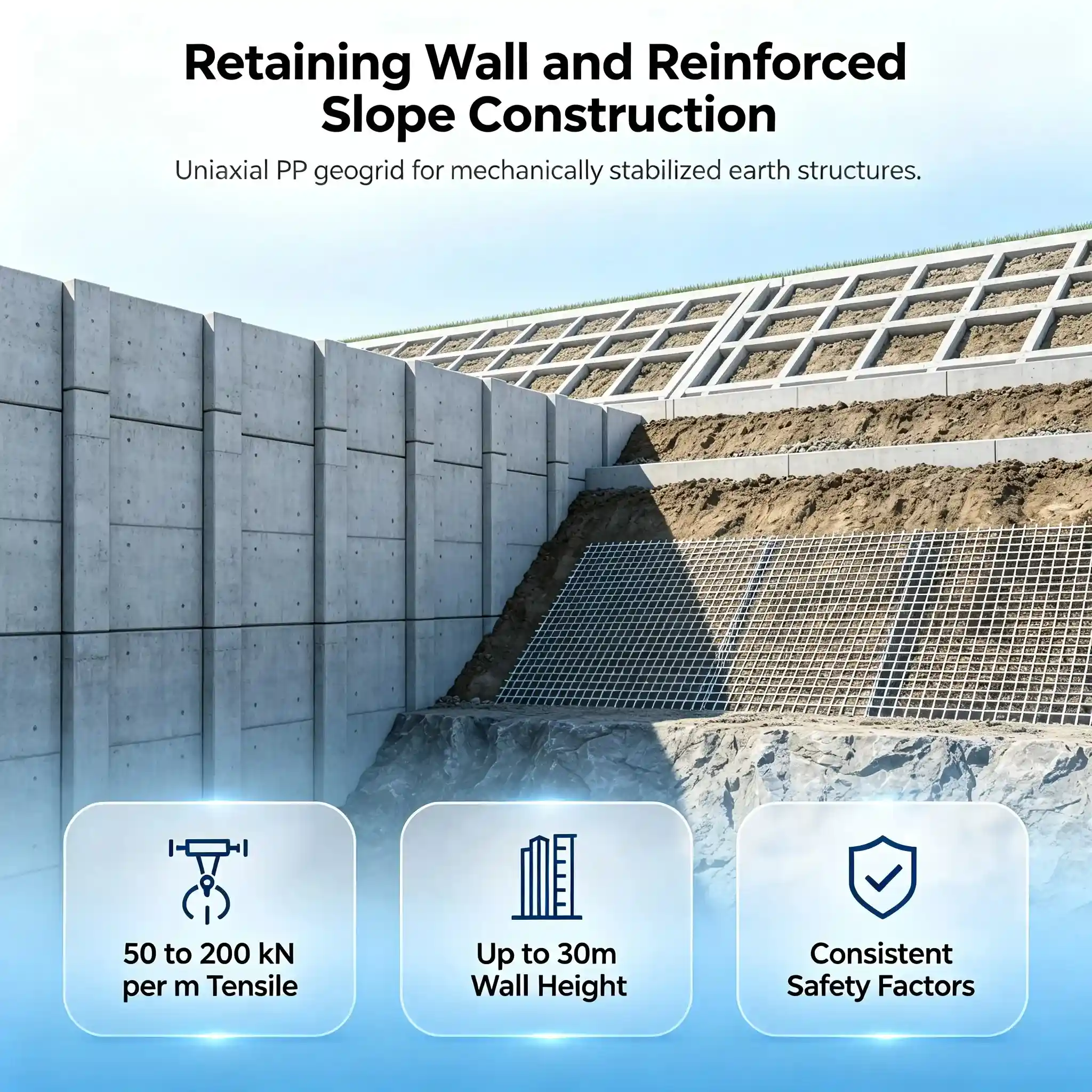
Retaining Wall and Reinforced Slope Construction

Uniaxial PP geogrids serve as the primary tensile connection between modular concrete facing units and retained soil in mechanically stabilized earth (MSE) retaining walls. The geogrid’s high machine-direction tensile strength (50-200 kN/m) allows construction of retaining walls up to 30 meters in height without the need for traditional concrete gravity wall foundations. The Jwell line’s precise tensile property control ensures consistent wall design safety factors.

Frequently Asked Questions

What determines whether a project requires uniaxial or biaxial PP geogrid? -

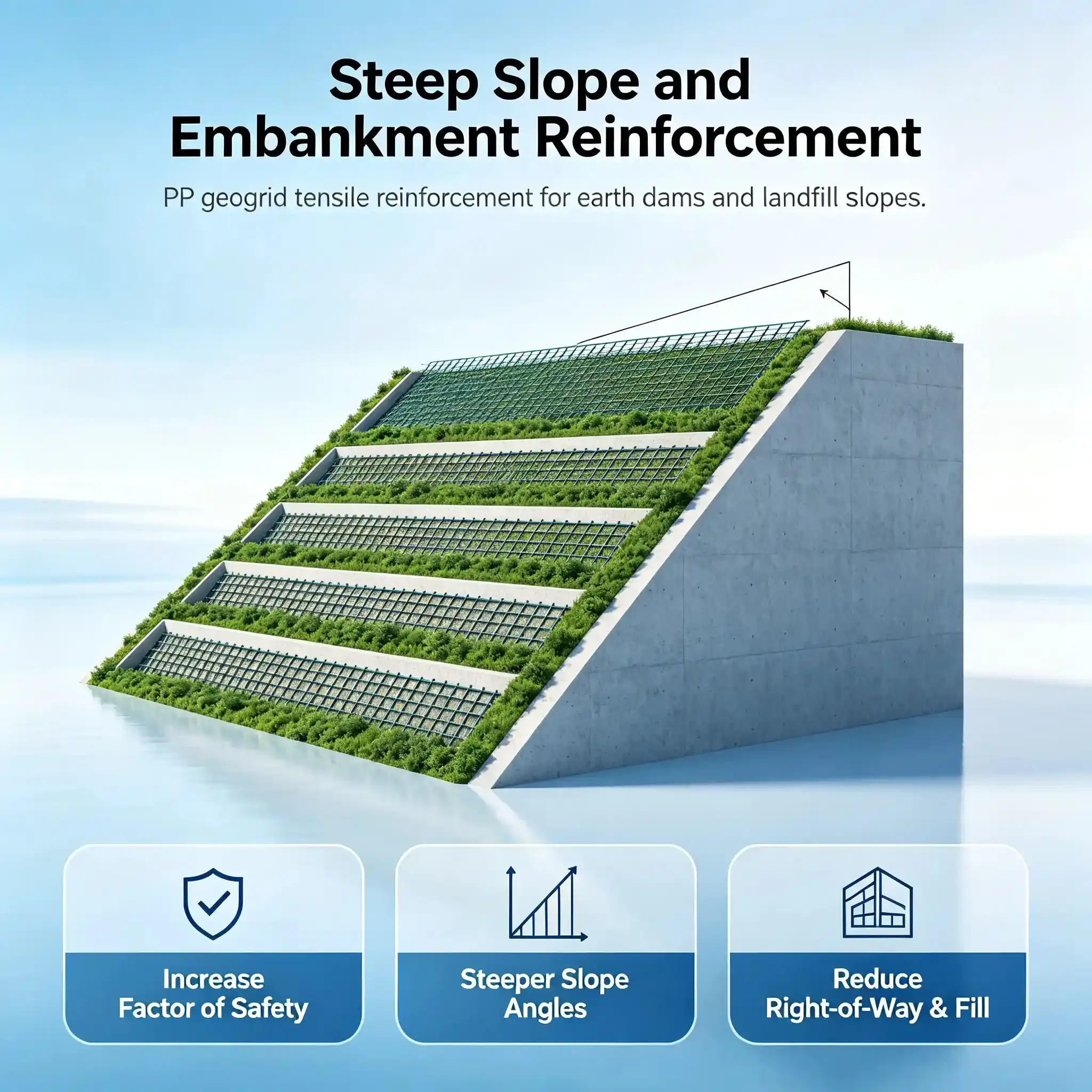
The loading direction is the primary factor. Uniaxial geogrids, which have high tensile strength in the machine direction only, are used where the primary reinforcement force acts in one direction — such as retaining walls (where soil pressure pushes outward) and embankment reinforcement on slopes. Biaxial geogrids have approximately equal strength in both directions and are used where loads are multi-directional — such as road base stabilization (where traffic loads create stress in all directions) and foundation reinforcement under spread footings.

How does the stretching ratio affect the final tensile strength of the PP geogrid? +

The stretching ratio directly correlates with tensile strength — higher stretch ratios produce stronger geogrid ribs due to greater molecular chain alignment. For biaxial geogrid, a typical combined stretch ratio of 7:1 × 7:1 (machine × transverse) produces tensile strengths of 30-40 kN/m per direction. Uniaxial geogrid with stretch ratios of 8:1 to 10:1 achieves tensile strengths of 100-200 kN/m. However, excessive stretching can cause molecular degradation and brittleness, so the optimum stretch ratio must be established for each PP resin grade through engineering trials.

Can the Jwell PP geogrid line produce carbon black-filled geogrids for exposed applications? +

Yes, the line is equipped with a gravimetric dosing system that can introduce carbon black masterbatch at 2-3% concentration directly into the extruder feed. This produces UV-stabilized black geogrid suitable for exposed applications such as landfill capping systems and temporary embankment reinforcement where the geogrid may be exposed to sunlight for months before being buried. The carbon black provides UV protection equivalent to 2+ years of outdoor exposure per ASTM D-4355 testing.

Related Sheet Extrusion Lines

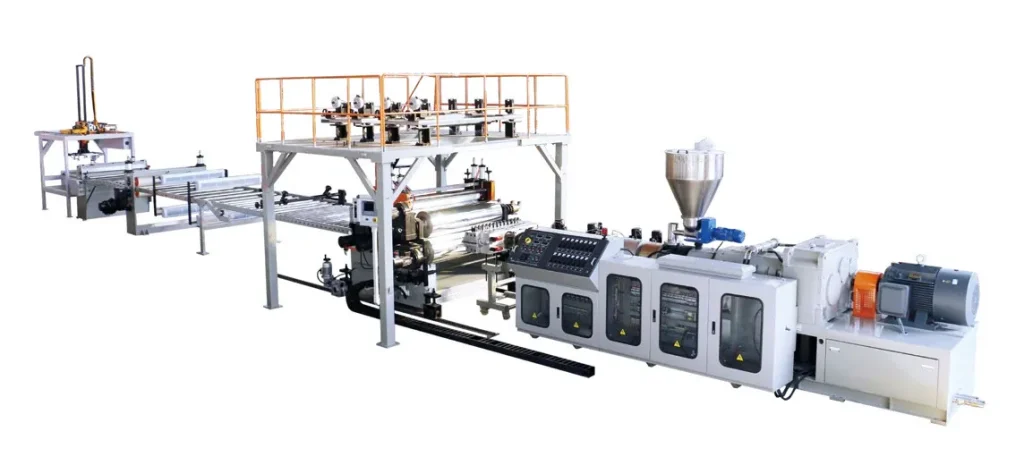
WPC Flooring Production Line

WPC Flooring Production Line

Extruder Type: Conical twin-screw, vented; Screw Material: 38CrMoAlA, nitrided, bimetallic optional; Screw Structure: Conical twin, designed for PVC + wood flour + CaCO₃ + foaming agent; L/D Ratio: Optimized for controlled foaming zone
Learn More ➔
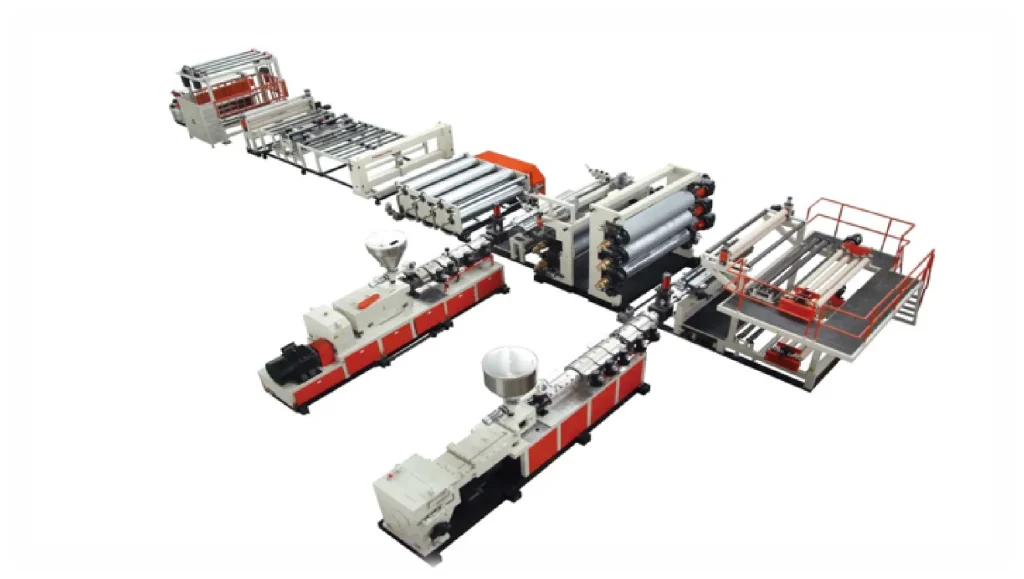
SPC Flooring Production Line

SPC Flooring Production Line

Screw Diameter: Φ 80 mm / Φ 92 mm / Φ 110 mm / Φ 180 mm; Output (24h, SPC): 6-8 T / 12-18 T / 25-32 T / 70-100 T; Line Speed at 4 mm: 0.4-0.6 m/min / 0.8-1.3 m/min / 1.8-2.4 m/min / 5-9 m/min; Screw Material: 38CrMoAlA, nitrided, bimetallic optional / ← Same / ← Same / ← Same

Learn More ➔

Why Choose Jwell for Your PET Sheet Line

🏭

Factory/Experience

Jwell has manufactured PET sheet extrusion equipment since 2005, accumulating field data from over 400 installed PET lines worldwide. Each new machine generation incorporates refinements validated across hundreds of real production environments — not just lab prototypes.

🔬

Test/Validate

Our Changzhou facility operates a full production-scale PET line for customer trials. Bring your raw materials and target specifications — we run your recipe before you commit. The line delivered to your factory is a proven configuration, eliminating startup risk.

🌍

Service/Support

Factory-trained Jwell engineers based in Brazil, Spain, Mexico, and Shanghai travel to customer sites for installation and operator training. Remote diagnostic support via WeChat/WhatsApp responds within 2 hours. Critical spares ship from Shanghai within 48 hours.

Request a Quote or Technical Consultation

Your information will never be shared with third parties.