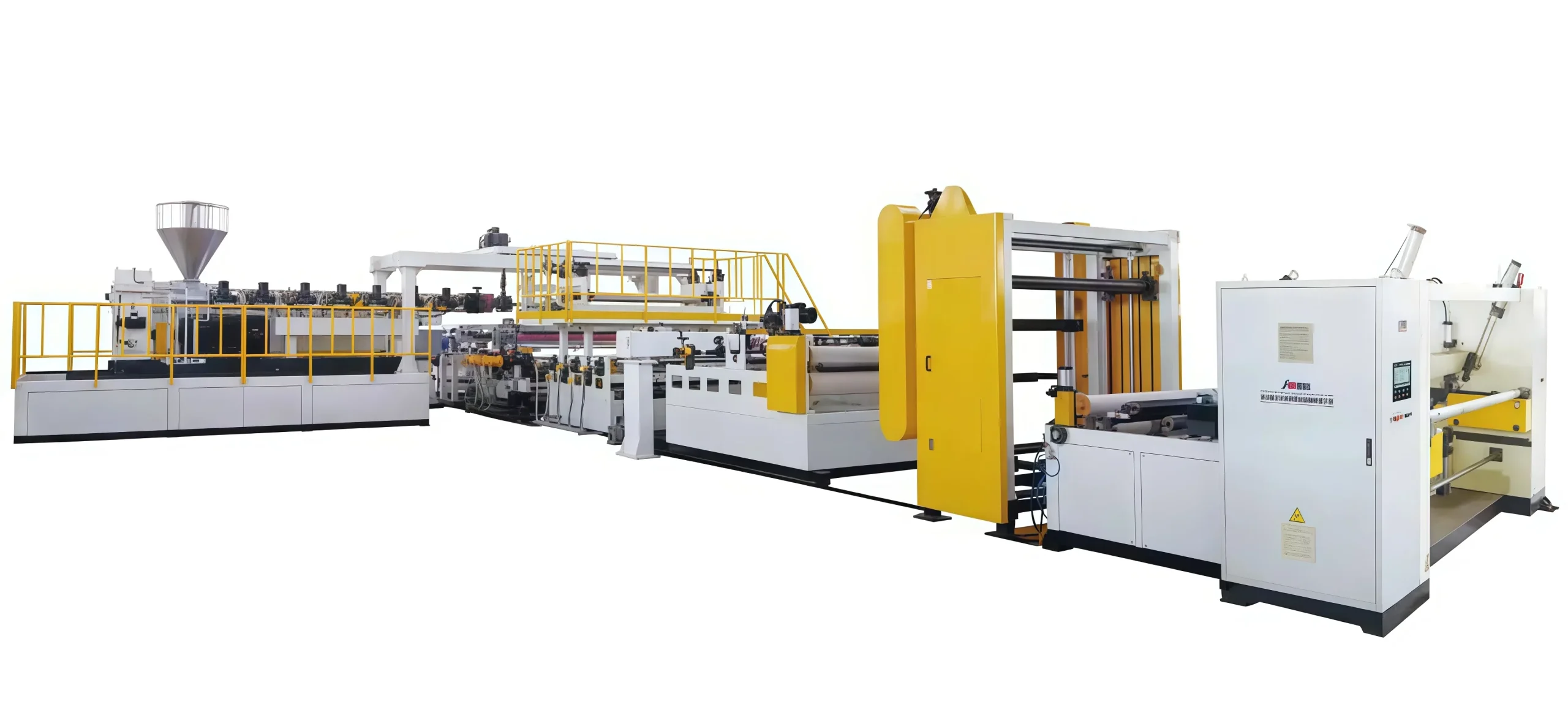
TPU Lamination Composite Film Production Line

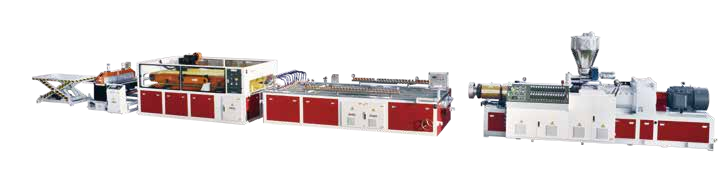
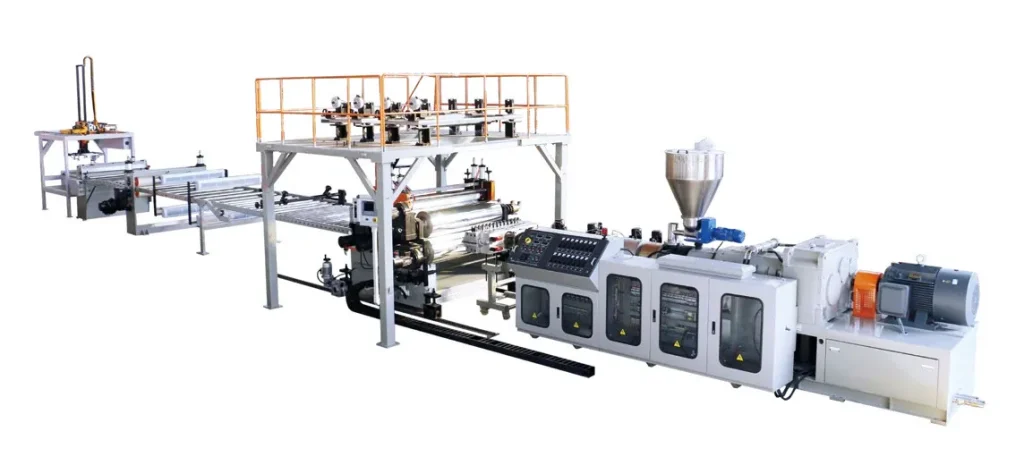
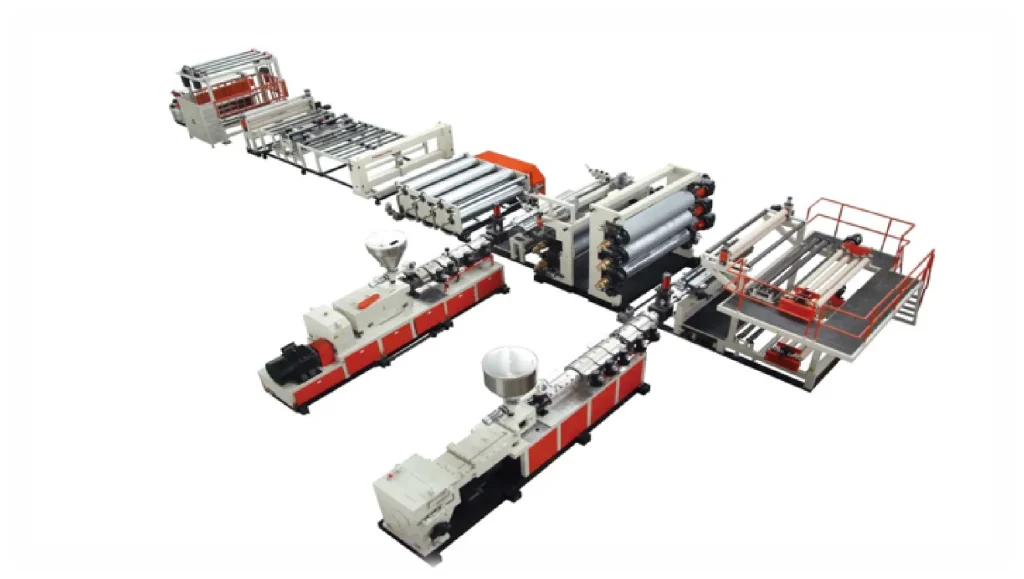
Watch the complete TPU lamination composite line during Factory Acceptance Testing — TPU twin-screw extrusion, precision calender stack, heated nip roll lamination station bonding TPU film to non-woven substrate, and finished composite sheet winding.

TPU Lamination Composite Film Production Line: Related JWELL Extrusion Lines

The TPU Lamination Composite Production Extrusion Line is part of JWELL’s complete extrusion portfolio. Customers evaluating this TPU Lamination Composite Film Sheet Extrusion Line also frequently request our TPU Film Extrusion Line | Jwell Machinery and TPU Film Extrusion Line | Thermoplastic Polyurethane Film | Jwell, which share the same proven screw, die and control platforms. For layout drawings, pricing and lead times, contact JWELL Machinery directly.

# Item Key Point
1 🌀 Twin-Screw TPU Extrusion co-rotating, vacuum degassing, 150-400 kg/h
2 ⚡ Inline Lamination Station heated nip rolls, 80-220°C, up to 8 MPa pressure
3 🎯 Dual Film/Sheet Capability 0.05mm film to 2.0mm sheet, same line
4 🔄 Wide Substrate Compatibility non-woven, woven fabric, foam, functional film
5 🔧 Precision Gap & Pressure Control ±0.01mm nip gap, uniform bond across web
6 ✅ Bypass Mode produce standalone TPU film without lamination engagement
7 ♻️ Siemens PLC with 50+ Recipe Storage automotive PPAP, medical ISO 13485 ready
8 🌍 CE Certified complete line with global safety compliance

See the TPU Lamination Composite Line in Production — Full Line FAT

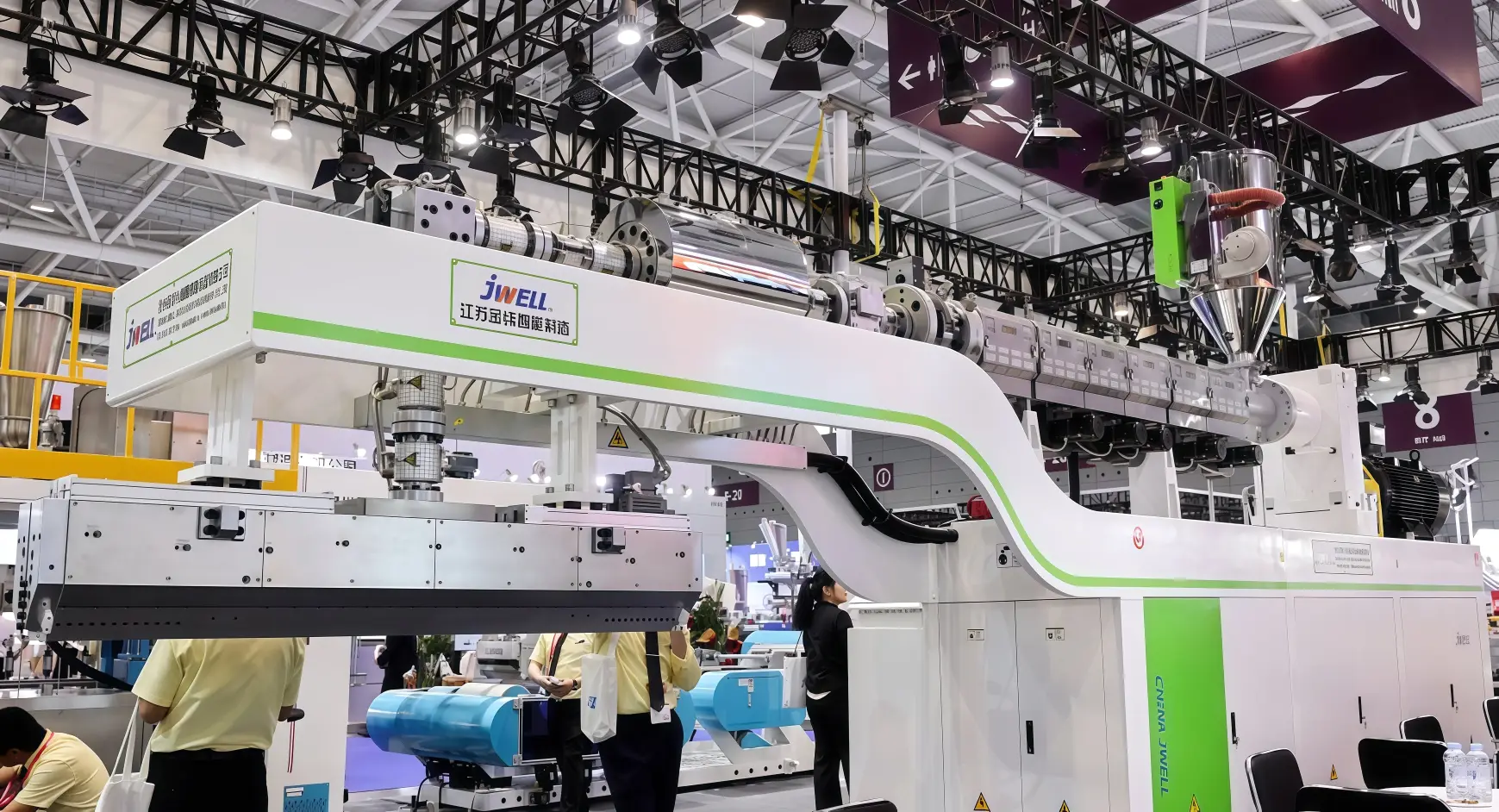
Co-Rotating Twin-Screw — Vacuum-Degassed TPU Film as the Lamination Base

The quality of every laminated composite begins with the TPU base film — and the quality of the TPU film begins with the extruder. Jwell’s line uses a co-rotating twin-screw extruder specifically engineered for TPU processing, delivering the melt quality required for consistent lamination bonding:

Twin-Screw Advantage for TPU: TPU is a segmented block copolymer with alternating hard and soft segments — it requires thorough mixing to achieve uniform hard-segment distribution without overheating (which causes thermal degradation of the urethane linkages). The co-rotating twin-screw’s intermeshing design provides distributive mixing (even hard-segment dispersion) without excessive shear, operating at 100-400 RPM with barrel temperatures precisely controlled at 180-220°C across 10-12 heating zones.

Vacuum Degassing: TPU is hygroscopic — even pre-dried TPU absorbs moisture during hopper residence and initial barrel feed. The twin-screw incorporates a dual-vent vacuum degassing system operating at ≤5 mbar, extracting residual moisture and volatile monomers before they reach the metering zone. Without effective degassing, moisture in the melt hydrolyzes the TPU’s ester linkages, reducing molecular weight and compromising the film’s mechanical properties — and, critically for lamination, creating surface bubbles and pinholes that become weak points in the TPU-substrate bond interface.

Output Range: 150-400 kg/h depending on TPU grade (polyester-based TPU for general applications, polyether-based TPU for hydrolysis resistance, polycaprolactone-based TPU for medical/biodegradable). The screw configuration is optimized for the customer’s primary TPU grade and can be changed over for different grades in 2-3 hours.

配图: ⬜ To be acquired — twin-screw extruder with vacuum vent, TPU melt strand exiting die

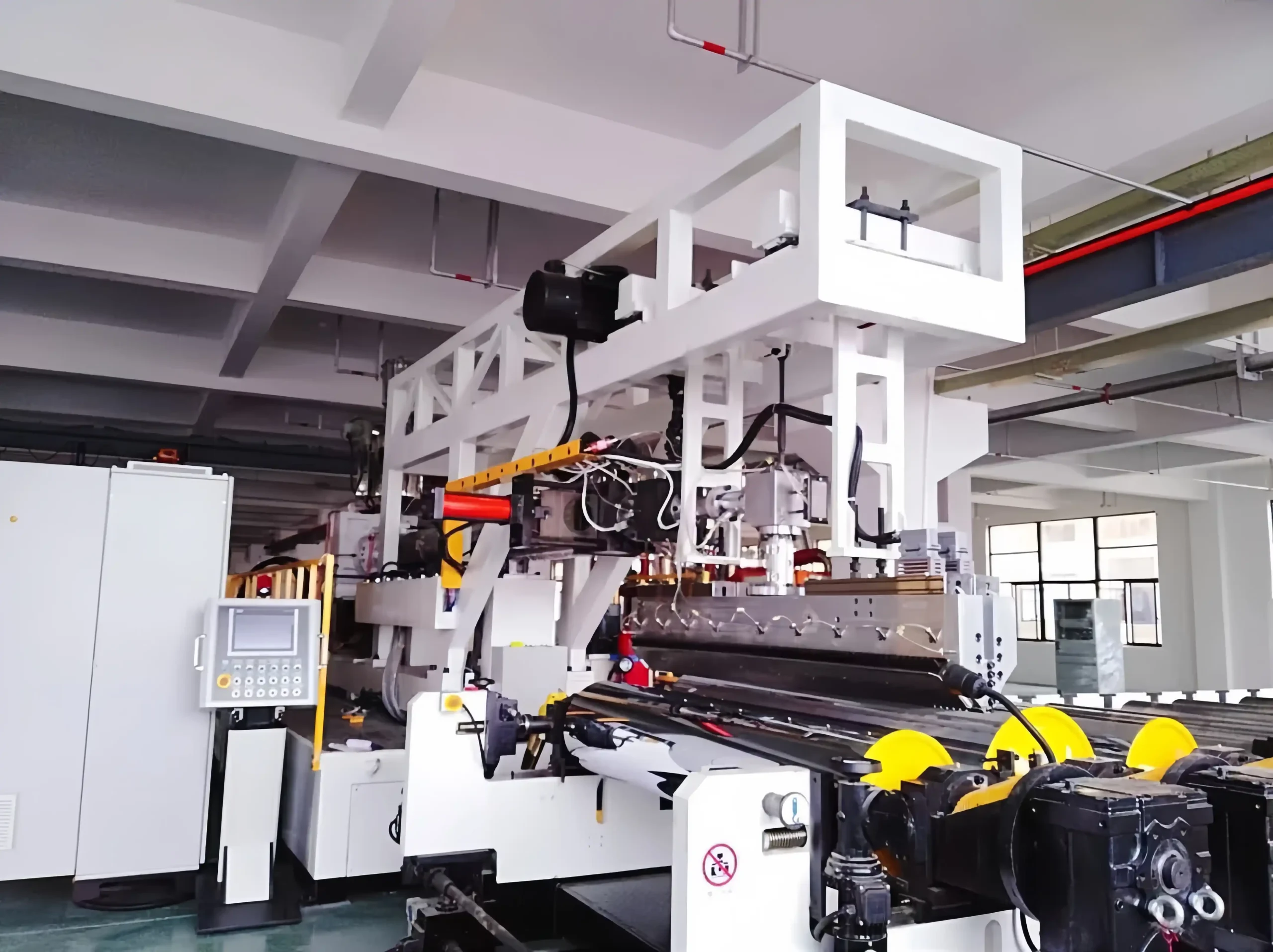
Thermal Lamination — Heated Nip Rolls Bond TPU Film to Any Roll-Fed Substrate at 80-220°C

The lamination station is the heart of this composite line — it takes the freshly extruded TPU film from the calender stack and bonds it to a separately fed substrate under controlled heat and pressure. This is not a coextrusion process; it is a thermal lamination process that works with any roll-fed substrate, not just extrudable polymers.

Lamination Mechanics: The heated nip roll system consists of a chrome-plated heating roll (upper, contacting the TPU film surface) and a silicone rubber pressure roll (lower, contacting the substrate). The heating roll is oil-heated with ±2°C uniformity across the full roll face (up to 2,200mm working width), achieving surface temperatures of 80-220°C. As TPU film and substrate pass through the nip, the TPU’s surface softens above its glass transition temperature (Tg ~ -40°C) and softening point (~100-140°C), forming a mechanical interlock with the substrate’s fibers or film surface. For enhanced bonding with difficult substrates, an optional adhesive application module can apply a thin (2-5 g/m²) hot-melt or reactive polyurethane (PUR) adhesive immediately before the nip point.

Process Control Parameters:

– Nip pressure: 0-8 MPa, pneumatically controlled with ±0.1 MPa precision — independently adjustable across left/center/right zones for uniform bond across the web

– Nip gap: 0.05-5.0mm, servo-motor driven with ±0.01mm precision — critical for preventing substrate crushing while ensuring TPU-surface contact

– Roll temperature: Oil-heated circulation with PID control at ±2°C — the heating roll temperature determines the depth of TPU surface softening and thus the bond strength

– Line speed: 5-50 m/min, synchronized with the calender stack via PLC — the substrate unwind station has independent tension control (10-200N) to prevent substrate stretching or wrinkling before lamination

Substrate Handling: The substrate unwind station accommodates rolls up to 1,000mm diameter with pneumatic core locking and edge-guide alignment (±1mm). A dancer-roll tension control system maintains constant web tension from full roll to core, preventing tension variations that cause wrinkles or bond-strength inconsistency. For wide substrates (600-2,200mm), an antistatic bar eliminates static charge that would cause substrate attraction to the TPU film before the nip, causing premature sticking and misalignment.

One Line, Two Production Modes — Film-Grade and Sheet-Grade Composites from the Same Platform

The line’s engineering enables seamless switching between thin-film lamination composites (0.05-0.3mm, for apparel, medical dressings, lightweight packaging) and thick-sheet lamination composites (0.5-2.0mm, for automotive interior panels, industrial belting, footwear reinforcement) — a dual-capability uncommon in a single-line platform.

Film Mode (0.05-0.3mm):

– Calender stack in film configuration: 3-roll vertical stack with polished chrome mirror-finish rolls (Ra ≤0.025μm) for optical-grade TPU film surface

– Lamination station: reduced nip pressure (0.5-2 MPa) to prevent thin substrate damage; reduced line speed (5-15 m/min) for thin-gauge precision

– Winding: surface winder with lay-on roll for wrinkle-free winding of thin, lightweight composites

– Typical products: medical film dressings, apparel laminate, lightweight packaging composites

Sheet Mode (0.5-2.0mm):

– Calender stack in sheet configuration: 3-roll horizontal or 45° stack with optional embossing/texturing roll for decorative automotive interior surfaces

– Lamination station: full nip pressure (2-8 MPa) for robust TPU-substrate bonding of thick composites

– Cooling: extended cooling conveyor (3-5m) after lamination for controlled cooling of thick sheet composites, preventing warpage from asymmetric cooling (TPU cools faster than fabric substrates)

– Winding or cut-to-length: center/surface winder for roll goods up to 800mm diameter, or inline cross-cut shear for sheet stacking (1.0-2.5m sheet length)

– Typical products: automotive door panel and dashboard laminates, industrial conveyor belt composites, footwear midsole reinforcement sheets

Changeover: Mode switching requires calender roll configuration change (film vs. sheet stack) and winder type selection — approximately 1-2 hours including roll polishing/cleaning. All process parameters for both modes are stored in the Siemens PLC as 50+ pre-validated recipes.

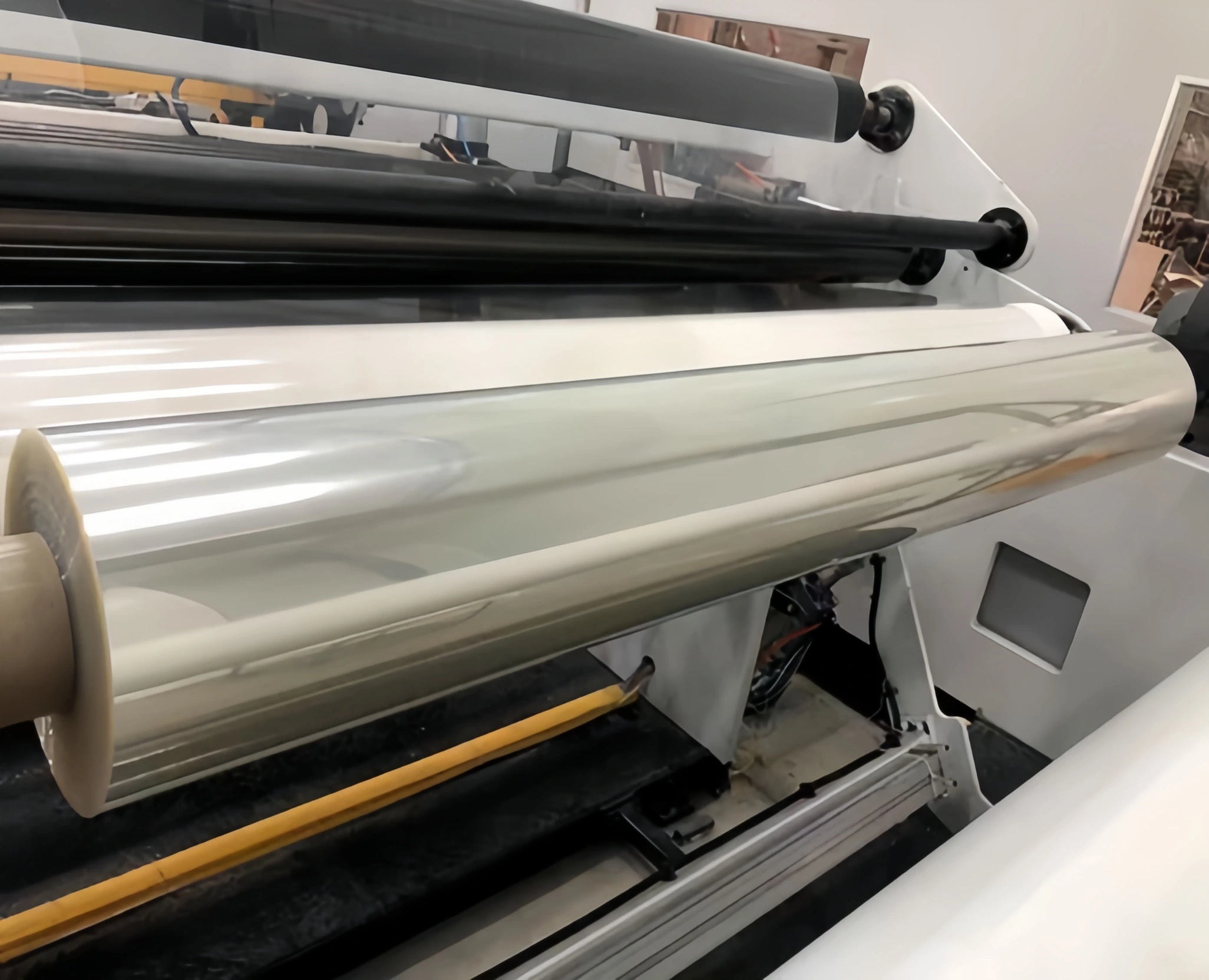
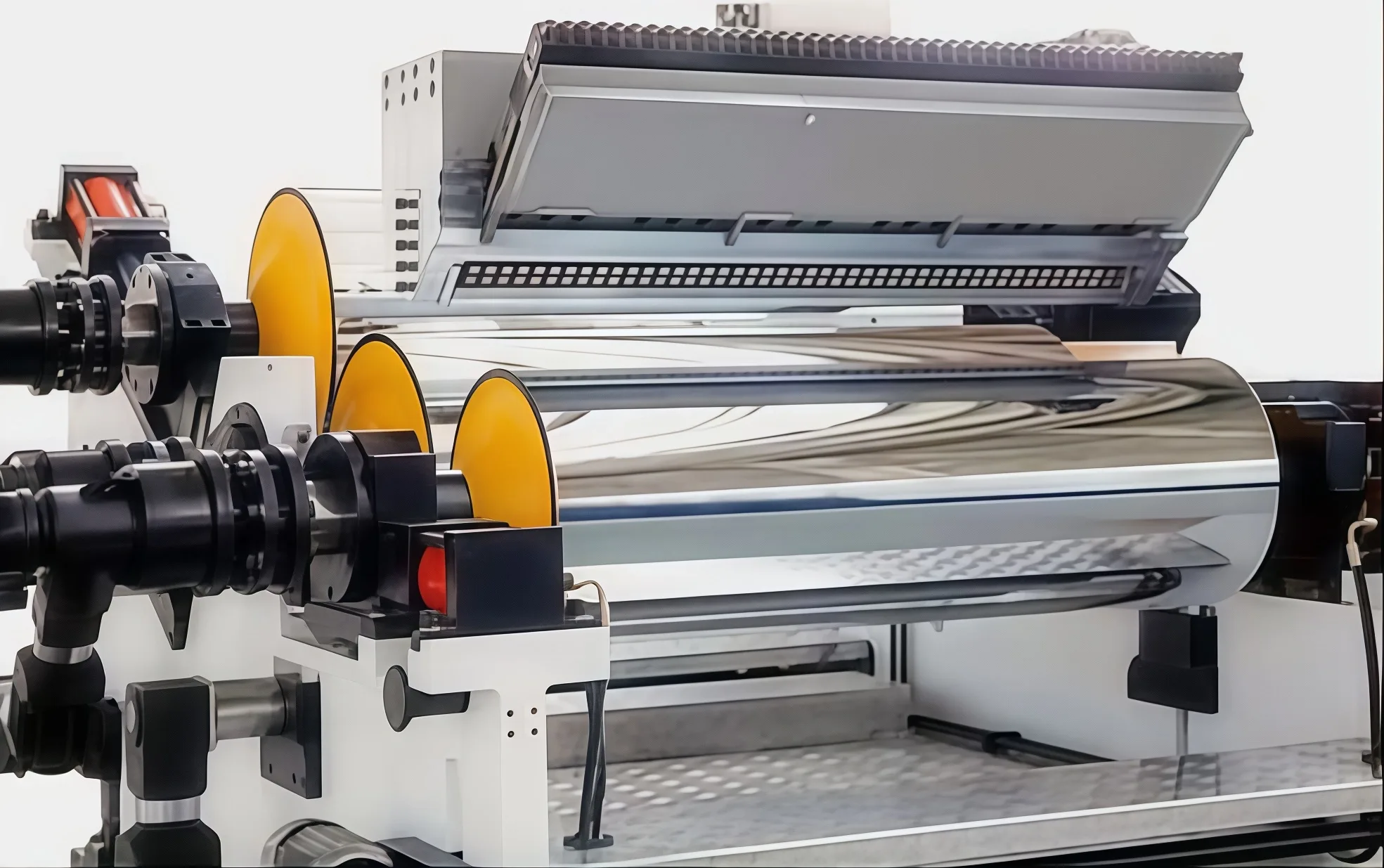
TPU-Lamination-Composite-Film-Production-Line-Super-Mirror-Roller

3-Roll Calender Stack — ±0.005mm Film Gauge Precision for Consistent Bond Quality

The TPU film exiting the extrusion die must be precisely gauged before it enters the lamination station, because film thickness variation directly causes bond-strength variation across the composite. A film that is 0.08mm thick on the left edge and 0.12mm on the right will deliver 50% more TPU melt volume (and thus 50% more thermal energy) to the lamination nip on the right side, creating an uneven bond.

3-Roll Calender Configuration:

– Roll 1 (upper, chrome-plated, oil-heated 80-150°C): First contact with molten TPU — smooths the melt into a continuous film, sets initial gauge

– Roll 2 (middle, chrome-plated, oil-heated 80-150°C): Secondary gauging — precise roll gap sets final film thickness; roll gap is servo-motor controlled with 0.001mm resolution

– Roll 3 (lower, chrome-plated, water-cooled 20-40°C): Cooling roll — locks in film gauge by cooling TPU below its softening point before film leaves the stack

Closed-Loop Gauge Control: An inline beta-ray or X-ray thickness gauge (optional) measures the TPU film thickness after the calender stack at 10 measurements per second across the full web width. If the gauge detects thickness deviation beyond ±0.005mm, the PLC adjusts:

1. First: Calender roll gap (fast response, <5 seconds)

2. Second: Melt pump speed (medium response, 10-30 seconds)

3. Third: Extruder screw speed (slow response, 30-120 seconds) — only if persistent deviation indicates output change

This closed-loop system ensures the TPU film entering the lamination station has consistent gauge — the essential prerequisite for uniform lamination bond quality across the composite.

Roll Specifications: Chrome-plated forged steel, diameter 400-600mm, face width matched to die width + 200mm, mirror polish Ra ≤0.025μm. Roll internal spiral channels for oil/water circulation with ±1°C surface temperature uniformity.

配图: ⬜ To be acquired — 3-roll calender stack with inline thickness gauge traversing across web

Technical Specifications

参数组 参数 / 规格值
Model Options JWELL-TPU-LAM-150 / 150 kg/h max output (polyester TPU)
JWELL-TPU-LAM-250 / 250 kg/h max output
JWELL-TPU-LAM-400 / 400 kg/h max output
Extruder Type / Co-rotating twin-screw
Screw diameter / 52-75mm (model-dependent)
L/D ratio / 40:1 – 48:1
Barrel zones / 10-12 heating/cooling zones
Vacuum degassing / Dual-vent, ≤5 mbar
Motor power / 110-250 kW (model-dependent)
Melt pump / Positive displacement gear pump, ±1% output
Screen changer / Hydraulic double-plate, mesh 80-200
Calender Stack Configuration / 3-roll (vertical for film, horizontal/45° for sheet)
Roll diameter / 400-600mm
Roll face width / Die width + 200mm
Roll surface / Chrome-plated, mirror polish Ra ≤0.025μm
Roll temperature / 20-150°C, oil-heated/water-cooled
Gap control / Servo-motor, 0.001mm resolution
Lamination Station Type / Heated nip roll (oil-heated chrome upper + silicone rubber lower)
Heating roll temperature / 80-220°C, ±2°C uniformity
Nip pressure / 0-8 MPa, pneumatic, ±0.1 MPa
Nip gap / 0.05-5.0mm, ±0.01mm
Adhesive module (opt.) / Hot-melt or PUR, 2-5 g/m² coating
Substrate Handling Unwind stations / 1-3 independent stations
Max roll diameter / 1,000mm
Max roll weight / 1,000 kg
Tension range / 10-200N per station
Edge guide accuracy / ±1mm (ultrasonic/optical)
Splice option / Flying splice (automatic non-stop)
Composite Film/Sheet Total thickness / Film mode: 0.05-0.3mm / Sheet mode: 0.5-2.0mm
Working width / 600-2,200mm
Bond strength (TPU-PET non-woven) / ≥15 N/25mm (peel, 180°)
Line speed / 5-30 m/min
Drying & Feeding Dryer type / Honeycomb-rotor desiccant
Dew point / -40°C
Drying temperature / 80-100°C
Drying time / 3-4 hours
Target moisture / <0.02%
Feeder type / Loss-in-weight gravimetric, ±0.5%
Hopper capacity / 600-2,400 kg
Winding Film composite winder / Surface winder (standard) / Turret (optional)
Sheet composite winder / Center/surface combination
Max roll diameter / 800mm (film) / 1,000mm (sheet)
Cut-to-length shear (opt.) / Guillotine, 1.0-2.5m sheet, ±2mm
Slitting (opt.) / Razor/shear, single or multiple strips
Control System PLC / Siemens S7-1500
HMI / 15-21″ touchscreen
Recipe storage / 50+ product recipes
Data logging / 100+ parameters at 5-sec intervals
Utilities Required Installed power / 250-500 kW (model-dependent)
Cooling water / 15-25 m³/h at 15-25°C
Compressed air / 6-8 bar, 2-5 m³/min
Certifications / CE, ISO 9001 (manufacturer)

5.1 图片资源

用途 文件名 / 状态
Hero 图 1 tpu-lamination-composite-line-hero-01.webp / ⬜ 待拍摄
Hero 图 2 tpu-lamination-composite-line-hero-02.webp / ⬜ 待拍摄
Hero 图 3 tpu-lamination-composite-line-hero-03.webp / ⬜ 待拍摄
Hero 图 4 tpu-lamination-composite-line-hero-04.webp / ⬜ 待拍摄
视频封面 1 tpu-lamination-composite-video-poster.webp / ⬜ 待制作
视频封面 2 tpu-nonwoven-lamination-video-poster.webp / ⬜ 待制作
F1 配图 双螺杆挤出 + TPU 熔体出模 / ⬜ 待拍摄
F2 配图 加热压辊层压工位特写 / ⬜ 待拍摄
F3 配图 压光辊组(镜面/压花双配置) / ⬜ 待拍摄
F4 配图 3 辊压光 + 在线测厚仪 / ⬜ 待拍摄
F5 配图 多工位退卷 + 张力控制系统 / ⬜ 待拍摄
F6 配图 TPU 干燥料斗 + 失重喂料 / ⬜ 待拍摄
F7 配图 收卷机(表面/转塔/裁切) / ⬜ 待拍摄
H1 配图 汽车内饰层压复合材料 / ⬜ 待拍摄/客户授权
H2 配图 鞋材层压复合材料 / ⬜ 待拍摄/客户授权
H3 配图 医用防护纺织品复合材料 / ⬜ 待拍摄/客户授权
H4 配图 工业输送带/土工复合材料 / ⬜ 待拍摄/客户授权
相关产品缩略图 ×4 TPU 产品系列缩略图 / ⬜ 待制作

5.2 视频资源

用途 文件名 / 状态
视频 1 — FAT TPU lamination composite film sheet extrusion line FAT.mp4 / ✅ 已有
视频 2 — Non-Woven Lamination TPU and non-woven lamination sheet line.mp4 / ✅ 已有

Automotive Interior Composites — Soft-Touch Door Panels, Seat Backs & Headliners

Automotive interiors demand composites that combine a premium soft-touch surface with the structural integrity to survive 10-15 years of daily use, temperature extremes (-30°C to +85°C), and UV exposure. TPU/non-woven laminates produced on this line meet these demands while satisfying OEM requirements for low-VOC emissions (VDA 278), fogging resistance (DIN 75201), and flammability (FMVSS 302 / ISO 3795).

Typical automotive structures produced:

– Door panel trim: TPU skin (0.3-0.8mm) laminated to PET spunbond non-woven (80-150 g/m²) — the TPU provides the soft-touch, scuff-resistant surface; the non-woven provides the structural backing for adhesive bonding to the door substrate. Total composite thickness 0.4-1.0mm.

– Seat back panel: TPU film (0.5-1.0mm) laminated to PP non-woven (100-200 g/m²) — with optional embossed grain texture from the calender stack embossing roll for leather-like appearance. UV-stabilized TPU grade for rear-window sun exposure without color fading.

– Dashboard covering: TPU skin (0.5-1.5mm) with foam interlayer and fabric backing produced in a two-pass lamination process — first pass bonds TPU to foam; second pass bonds the foam-backed TPU to the structural fabric. The result is a soft, compressible surface with precise seam and grain definition.

– Pillar trim (A/B/C pillars): TPU film (0.3-0.5mm) laminated to lightweight PET non-woven (50-80 g/m²) for invisible airbag deployment — the TPU/non-woven composite is laser-scored on the back side to create a predetermined tear line that splits cleanly during airbag deployment.

The line’s Siemens PLC stores OEM-specific recipes — a single button recall sets all process parameters (TPU grade temperature profile, nip pressure for the specified non-woven, line speed for the target composite thickness) for repeatable PPAP (Production Part Approval Process) compliance.

Footwear Upper & Reinforcement Composites — TPU Bonded to Textile for Performance & Durability

The footwear industry uses TPU-film / textile laminates for shoe uppers (combining the TPU’s waterproofness, abrasion resistance, and glossy appearance with the fabric’s breathability and comfort), heel counters (TPU sheet providing structural support), and toe caps (TPU sheet providing impact protection). The line produces these composites in a single inline process:

Shoe Upper Laminates:

– TPU film (0.05-0.15mm, transparent or pigmented) laminated to woven or knitted fabric (polyester, nylon, or blend) — the TPU provides waterproofness (hydrostatic head >10,000mm H₂O) and surface durability; the fabric provides breathability and comfort against the foot. The transparent TPU layer preserves the fabric’s color and pattern while adding a glossy, premium finish.

– TPU film (0.1-0.3mm, TPU hot-melt adhesive grade) laminated between two fabric layers as a structural bonding interlayer — replaces stitching in seamless shoe upper construction, reducing weight and eliminating stitch-hole water ingress.

Heel Counter & Toe Cap Reinforcement:

– TPU sheet (0.8-1.5mm) laminated to PET non-woven (100-150 g/m²) — the TPU provides the structural rigidity for heel and toe support; the non-woven provides the bonding surface for adhesive attachment to the shoe upper and lining. The composite is thermoformable via shoe factory heating stations — the TPU softens at 80-120°C, allowing the composite to be shaped to the shoe last, then re-hardens upon cooling to provide permanent structural support.

Production Advantage: Inline lamination at the TPU extrusion stage eliminates the separate adhesive-film coating and lamination step required when using pre-made TPU film — reducing the footwear composite’s total production cost by 20-30% compared to two-step (extrude film separately, then laminate) production.

Frequently Asked Questions

What substrates can be laminated with TPU film on this line? -

Jwell’s TPU lamination composite line supports four categories of substrates: (1) Non-woven fabrics — PET spunbond, PP spunbond, bicomponent non-wovens (automotive, medical); (2) Textile fabrics — woven polyester, nylon, cotton, and blends (footwear, apparel); (3) Functional films — breathable membranes (PTFE, PU microporous), reflective films, printed decorative films; (4) Foam sheets — EVA, PE foam (cushioning composites). The heated nip roll lamination station provides adjustable temperature (80-220°C), pressure (0-8 MPa), and gap control for substrates from 0.1mm to 3.0mm thickness.

How does this lamination composite line differ from the TPU Multilayer Composite Line? +

The two products serve fundamentally different composite manufacturing methods: This line produces laminated composites by bonding separately formed substrates (TPU film + non-woven/fabric) via heat and pressure. The TPU Multilayer Composite Line (Product 32-MC) produces multilayer composites through coextrusion of multiple polymer melts into a single film. Key differences: (1) Substrate flexibility — this line can incorporate any roll-fed substrate, not limited to extrudable polymers; (2) Thickness range — 0.05-2.0mm vs. 0.05-0.5mm for coextrusion; (3) Bonding mechanism — thermal lamination vs. melt fusion; (4) Applications — automotive interior, footwear, medical textiles vs. flexible packaging with functional barrier layers.

Can this line produce both film-grade (<0.3mm) and sheet-grade (>0.5mm) composites? +

Yes. The line is designed for dual-thickness production with mode switching: Film mode (0.05-0.3mm) uses the calender stack in vertical mirror-finish configuration, reduced nip pressure (0.5-2 MPa), and surface winding. Sheet mode (0.5-2.0mm) uses horizontal/45° calender configuration with optional embossing roll, full nip pressure (2-8 MPa), extended cooling conveyor, and center/surface winding or cut-to-length sheeting. Changeover takes 1-2 hours including roll configuration changes.

What automotive interior applications can this line serve? +

The line produces TPU/non-woven laminated composites for door panel trim, seat back panels, dashboard covering, and A/B/C pillar trim. Features include soft-touch surface, UV-stabilized TPU grades, embossed grain textures, laser-scored airbag tear lines, and compliance with OEM specifications (VDA 278 low-VOC, DIN 75201 fogging, FMVSS 302 flammability). The Siemens PLC stores OEM-specific recipes for repeatable PPAP compliance.

Can the line run standalone TPU film without lamination? +

Yes. The lamination station has a pneumatic bypass mode where the nip rolls lift off and the TPU film passes directly from the calender stack to the winder without substrate contact. This enables standalone TPU film production, sequential processing (extrude base film then laminate in a second pass), and quality sampling. Bypass engagement/disengagement is PLC-controlled and takes less than 2 minutes.

Related Sheet Extrusion Lines

WPC Flooring Production Line

WPC Flooring Production Line

Extruder Type: Conical twin-screw, vented; Screw Material: 38CrMoAlA, nitrided, bimetallic optional; Screw Structure: Conical twin, designed for PVC + wood flour + CaCO₃ + foaming agent; L/D Ratio: Optimized for controlled foaming zone

Learn More ➔
SPC Flooring Production Line

SPC Flooring Production Line

Screw Diameter: Φ 80 mm / Φ 92 mm / Φ 110 mm / Φ 180 mm; Output (24h, SPC): 6-8 T / 12-18 T / 25-32 T / 70-100 T; Line Speed at 4 mm: 0.4-0.6 m/min / 0.8-1.3 m/min / 1.8-2.4 m/min / 5-9 m/min; Screw Material: 38CrMoAlA, nitrided, bimetallic optional / ← Same / ← Same / ← Same

Learn More ➔

Why Choose Jwell for Your PET Sheet Line

🏭

Factory/Experience

Jwell has manufactured PET sheet extrusion equipment since 2005, accumulating field data from over 400 installed PET lines worldwide. Each new machine generation incorporates refinements validated across hundreds of real production environments — not just lab prototypes.

🔬

Test/Validate

Our Changzhou facility operates a full production-scale PET line for customer trials. Bring your raw materials and target specifications — we run your recipe before you commit. The line delivered to your factory is a proven configuration, eliminating startup risk.

🌍

Service/Support

Factory-trained Jwell engineers based in Brazil, Spain, Mexico, and Shanghai travel to customer sites for installation and operator training. Remote diagnostic support via WeChat/WhatsApp responds within 2 hours. Critical spares ship from Shanghai within 48 hours.

Request a Quote or Technical Consultation

Your information will never be shared with third parties.