
TPU PPF Line

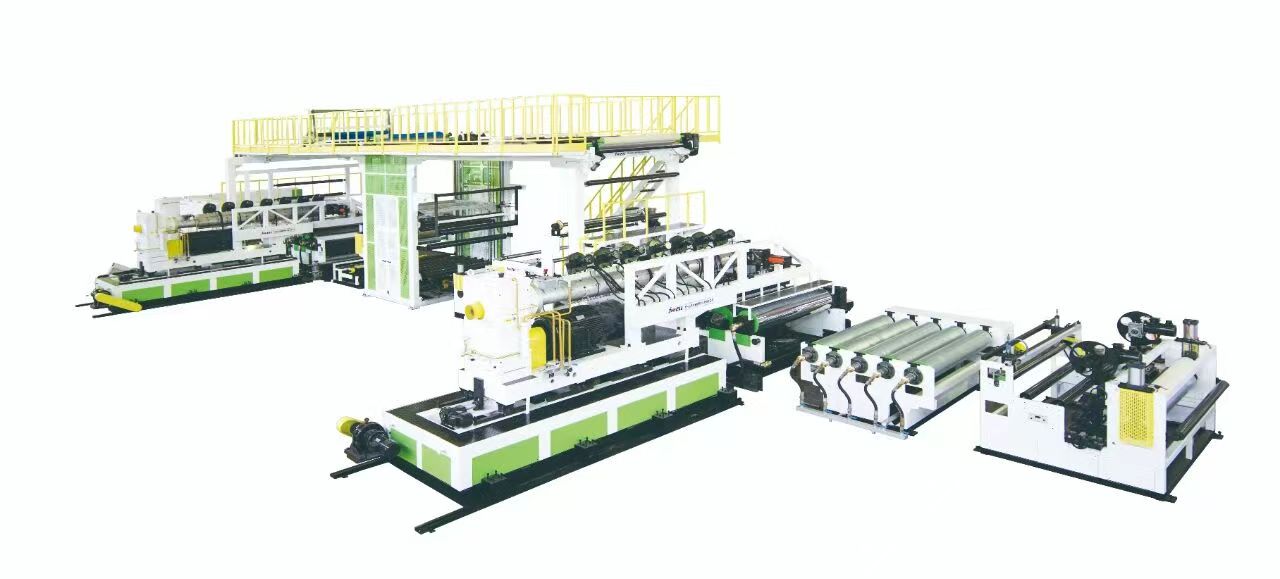
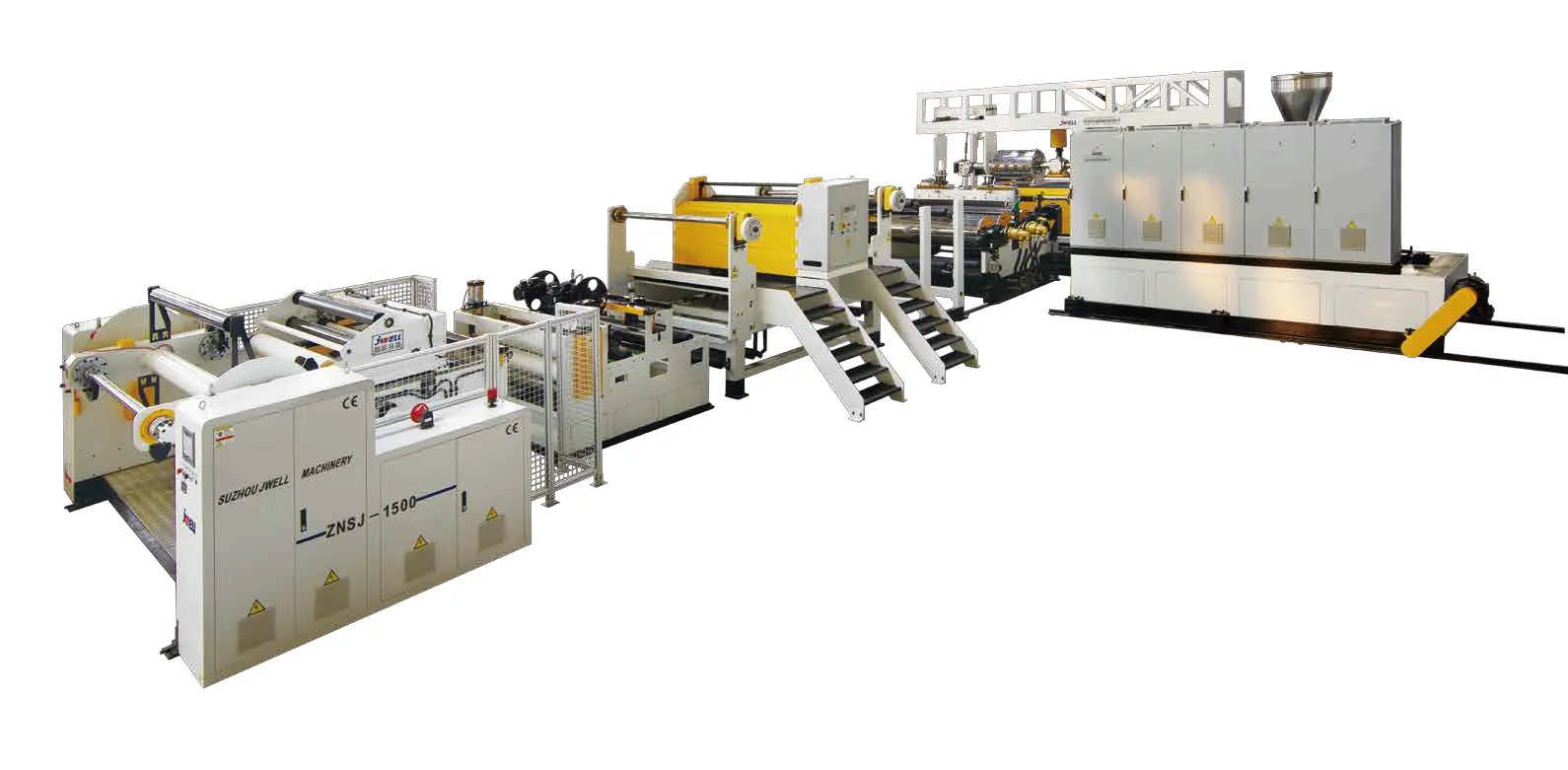
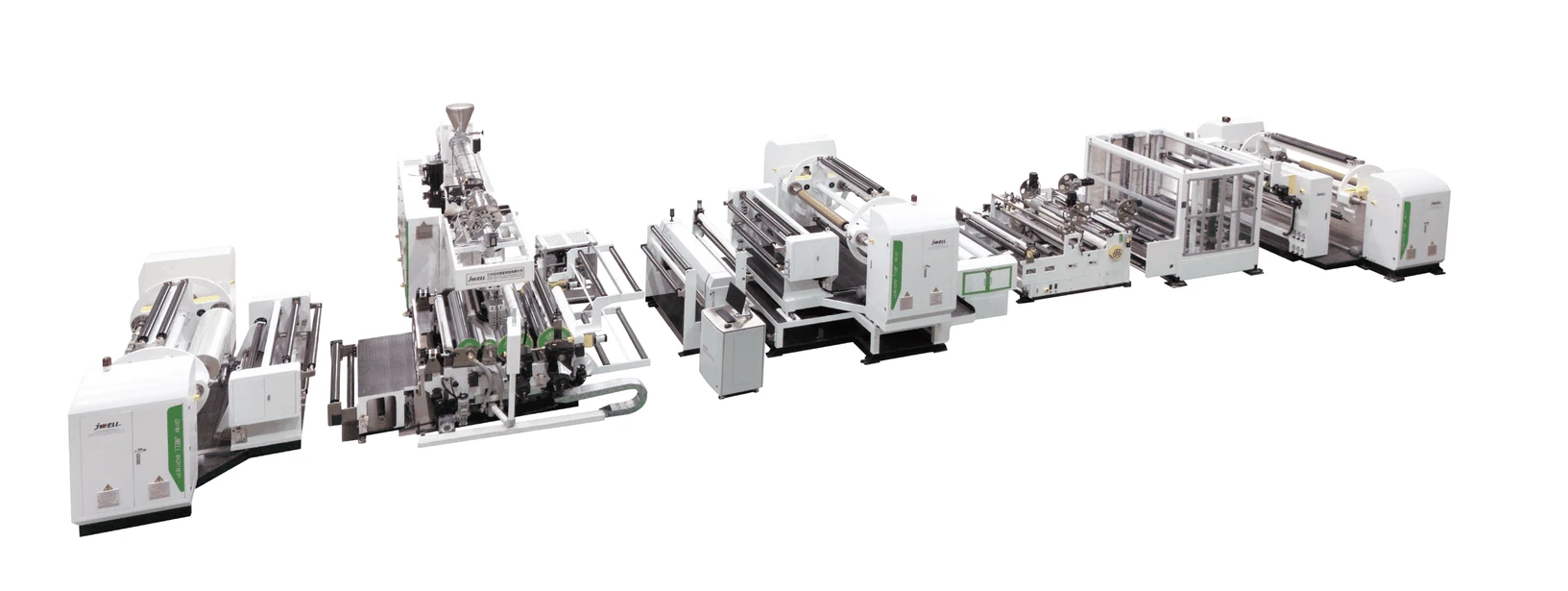
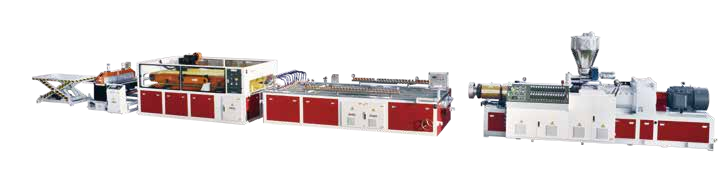
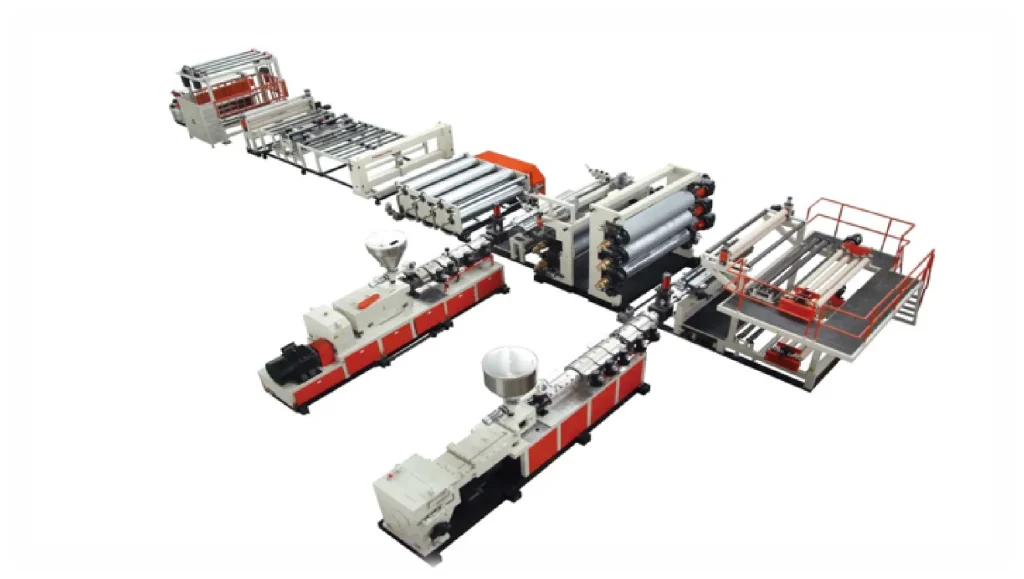
The Jwell TPU film extrusion line is a complete production system for manufacturing thermoplastic polyurethane films ranging from 0.02 to 2.0 mm in thickness at outputs of 50 to 300 kg/h. TPU occupies a unique position among extrusion film materials: it combines the elasticity of rubber (elongation at break 400-600%) with the processability of thermoplastics, enabling film that stretches and recovers repeatedly without permanent deformation while being manufacturable on conventional extrusion equipment. The Jwell line is engineered specifically for TPU’s distinctive processing characteristics — its sensitivity to moisture (requiring pre-drying to below 0.02% moisture content), its narrow melt processing window (typically 180-220°C depending on hardness grade), and its tendency to adhere aggressively to metal surfaces above its softening point.

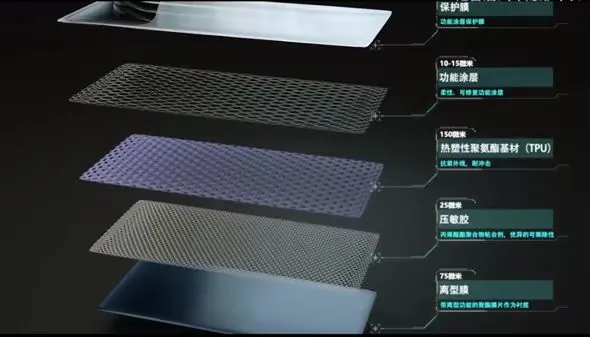
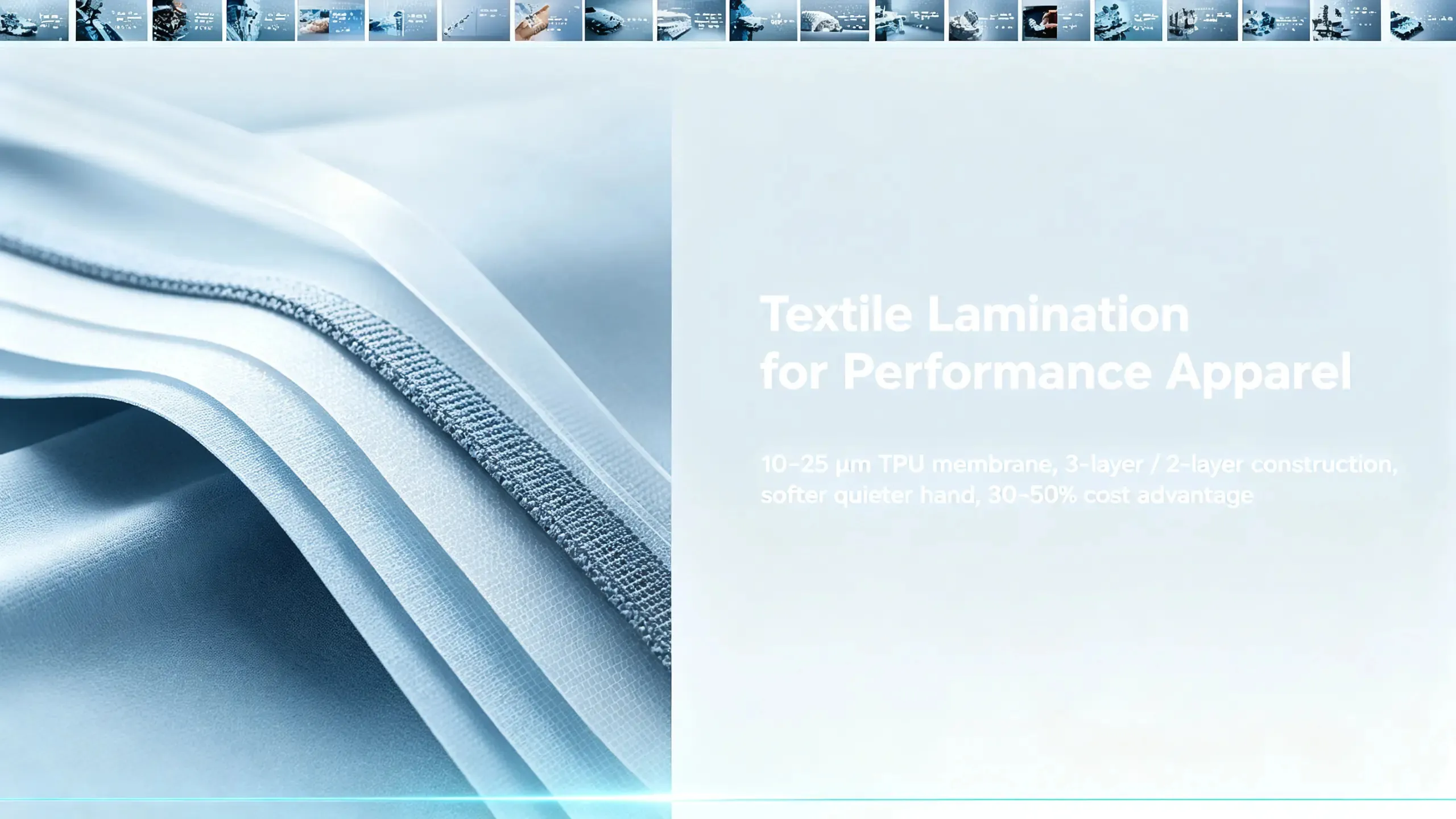
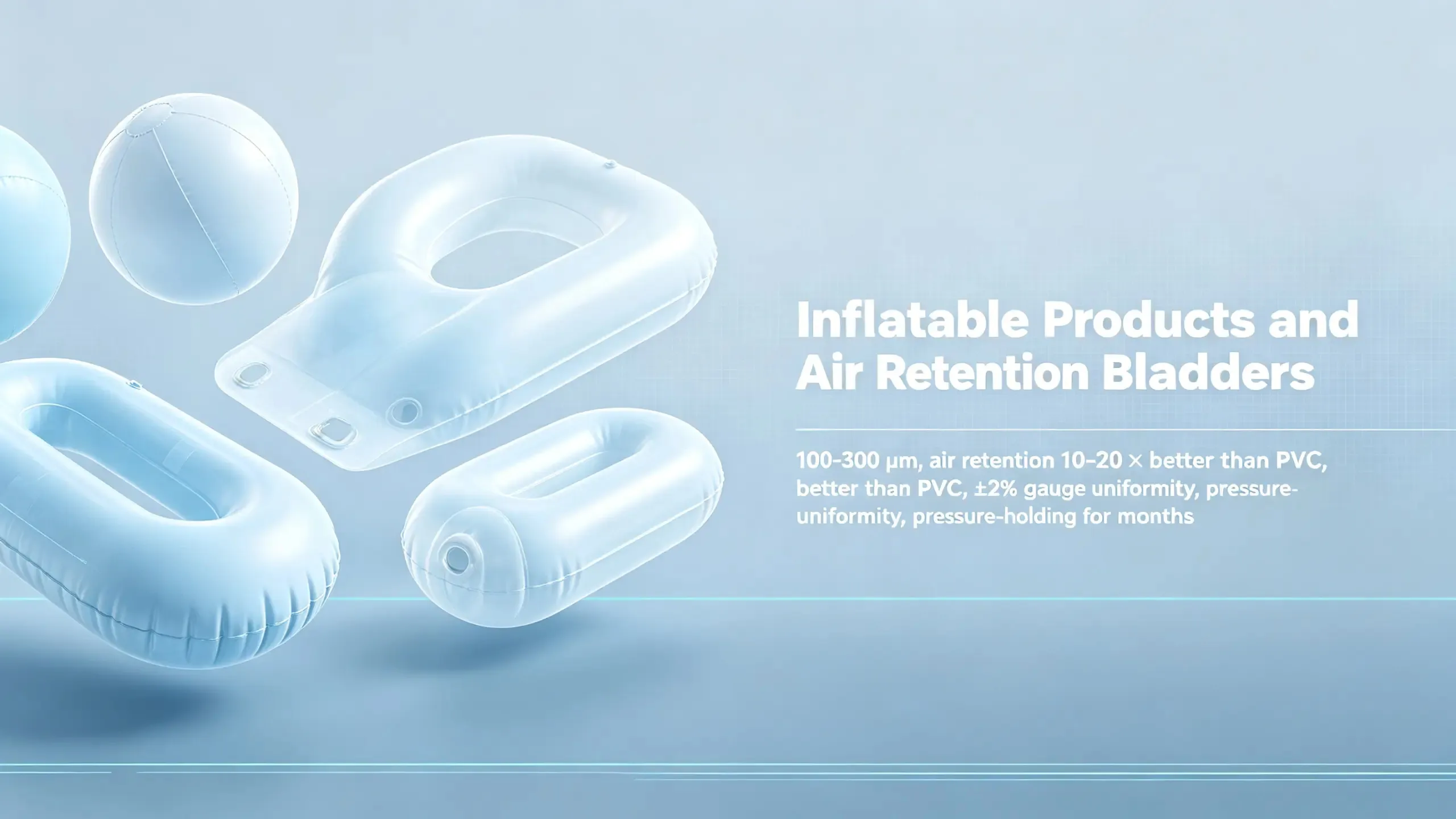
TPU film serves diverse high-value applications where its unique combination of properties — transparency, abrasion resistance, flexibility at low temperature, resistance to oils and greases, and biocompatibility — justifies a material cost 3-5 times higher than commodity PE or PP films. The automotive industry uses TPU film for paint protection film (PPF), where its optical clarity (haze below 2% at 150 μm), elongation (enabling conformability to complex body panel contours), and self-healing properties (in specially formulated grades) protect vehicle paint from stone chips and scratches. The medical industry uses TPU film for wound dressings, surgical drapes, and catheter balloons where its biocompatibility — passing ISO 10993 cytotoxicity, sensitization, and irritation tests — and gas permeability (allowing oxygen transmission for wound healing) are functionally essential. The textile industry uses TPU film as the waterproof-breathable membrane in performance outerwear, laminated between face fabric and lining, where its WVTR of 2,000-8,000 g/m²/24h keeps the wearer dry from both external rain and internal perspiration.

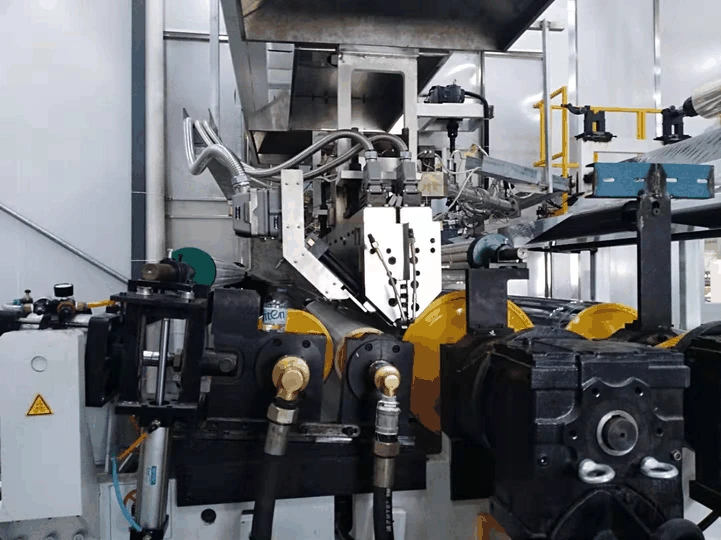
Changzhou Jwell Plate & Sheet Equipment Technology Co., Ltd. applies over two decades of polymer processing expertise to TPU film extrusion, with specific design features addressing the material’s processing challenges: a dedicated desiccant drying system sized for continuous operation, a low-compression screw design that minimizes shear heating, chrome-plated roll surfaces with release coating for clean film stripping, and a specialized winding system that handles TPU’s surface tack without blocking or telescoping.

TPU Film Extrusion Line: Related JWELL Extrusion Lines

The TPU Film Extrusion Line is part of JWELL’s complete extrusion portfolio. Customers evaluating this TPU Film Extrusion Line also frequently request our TPU Film Extrusion Line | Jwell Machinery and TPU lamination composite film sheet extrusion line, which share the same proven screw, die and control platforms. For layout drawings, pricing and lead times, contact JWELL Machinery directly.

# Item Key Point
1 🌀 Moisture-Managed Processing with Integrated Drying TPU is hygroscopic — it absorbs atmospheric moisture that, if not removed before processing, hydrolyzes the po
2 ⚡ Low-Shear Screw for Narrow Processing Window TPU’s processing temperature window is narrow — typically 180-220°C for polyester-based TPU and 190-230°C for
3 🎯 Non-Stick Casting Surface for Clean Film Release TPU’s aggressive adhesion to hot metal surfaces is a processing asset in lamination applications but a process
4 🔄 Tension-Controlled Winding with Anti-Blocking Strategy TPU film’s inherent surface tack — particularly for soft grades below 90A Shore — creates winding challenges:

Moisture-Managed Processing with Integrated Drying

TPU is hygroscopic — it absorbs atmospheric moisture that, if not removed before processing, hydrolyzes the polymer chains during extrusion, reducing molecular weight and destroying the film’s mechanical properties. Jwell’s line integrates a desiccant drying system sized to deliver TPU resin at moisture content below 0.02% at the full throughput capacity — the threshold below which hydrolysis-related property loss is negligible. The dryer uses a closed-loop regeneration system with molecular sieve desiccant beds providing -40°C dew point process air, and the dried resin is conveyed to the extruder feed throat through an insulated, purged line that prevents moisture re-absorption. For processors running multiple hardness grades (e.g., 85A for textile lamination, 95A for PPF), the hopper design includes a quick-clean feature enabling complete material changeover in under 30 minutes.

Low-Shear Screw for Narrow Processing Window

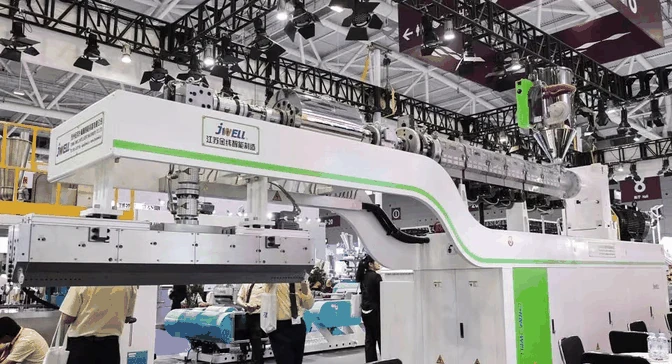
TPU’s processing temperature window is narrow — typically 180-220°C for polyester-based TPU and 190-230°C for polyether-based grades — and exceeding the upper limit causes thermal degradation that manifests as gel particles, yellowing, and loss of mechanical properties. Jwell’s TPU screw uses a gradual compression ratio of 2.5:1 with a long feed section (10 L/D) that preheats the polymer without excessive shear, a compression section (8 L/D) that generates melting energy through barrel heat rather than viscous dissipation, and a metering section (10 L/D) sized for the output capacity without requiring elevated screw speed that would add shear heating. The barrel uses ceramic band heaters with embedded cooling fans in six to eight independent zones, with PID tuning for TPU’s thermal lag characteristics — a key detail because TPU’s low thermal conductivity means barrel temperature changes take several minutes to reach equilibrium at the melt.

Non-Stick Casting Surface for Clean Film Release

TPU’s aggressive adhesion to hot metal surfaces is a processing asset in lamination applications but a processing liability in film casting — the cast film must release cleanly from the chill roll without sticking, picking, or surface marring at the stripping point. Jwell’s casting roll uses a hardened chrome plating polished to Ra ≤0.05 μm, combined with an internal water circulation design providing temperature uniformity within ±1°C across the full roll face. The roll surface is treated with a proprietary release coating that is FDA-compliant for food-contact applications, and the stripping point is precisely controlled by roll temperature adjustment — typically 15-30°C for soft grades (70-85A) and 25-50°C for harder grades (90A-70D). For optical-grade film requiring the highest surface quality, Jwell offers a steel belt casting option that provides a longer cooling contact length and eliminates the stripping angle that can induce surface micro-defects on roll-cast film.

Tension-Controlled Winding with Anti-Blocking Strategy

TPU film’s inherent surface tack — particularly for soft grades below 90A Shore — creates winding challenges: interlayer adhesion (blocking) that prevents clean unwinding, tension-induced stretching that causes gauge bands in the finished roll, and air entrapment that creates raised bumps in roll appearance. Jwell’s surface-contact winder addresses these through a combination of gap winding for the softest grades (film never touches adjacent layers under pressure), controlled lay-on force that declines as roll diameter increases, and an optional in-line powder dusting unit that applies a microscopic talc or starch layer to the film surface before winding — preventing blocking while being easily removed by a simple air-knife at the customer’s converting line.

Technical Specifications

Parameter Specification
Extruder Type Single-screw, vented, 30:1 L/D
Screw Diameter 65 mm, 75 mm, 90 mm
Output Capacity 50 – 300 kg/h
Film Thickness Range 0.02 – 2.0 mm
Film Width 600 – 1,800 mm
TPU Hardness Range 70A – 70D Shore
Drying System Desiccant dryer, dew point ≤-40°C
Die Type Flexible-lip coat-hanger, chrome-plated
Casting Roll Mirror-polished, 500mm dia., ±1°C temp control
Casting Type Chill roll (also available: steel belt for high-clarity)
In-line Slitting Razor or shear slitting, edge trim removal
Line Speed 5 – 80 m/min
Winding Surface-contact winder with gap mode
Control System Siemens S7-1500 PLC + 15″ HMI

Automotive Paint Protection Film (PPF)

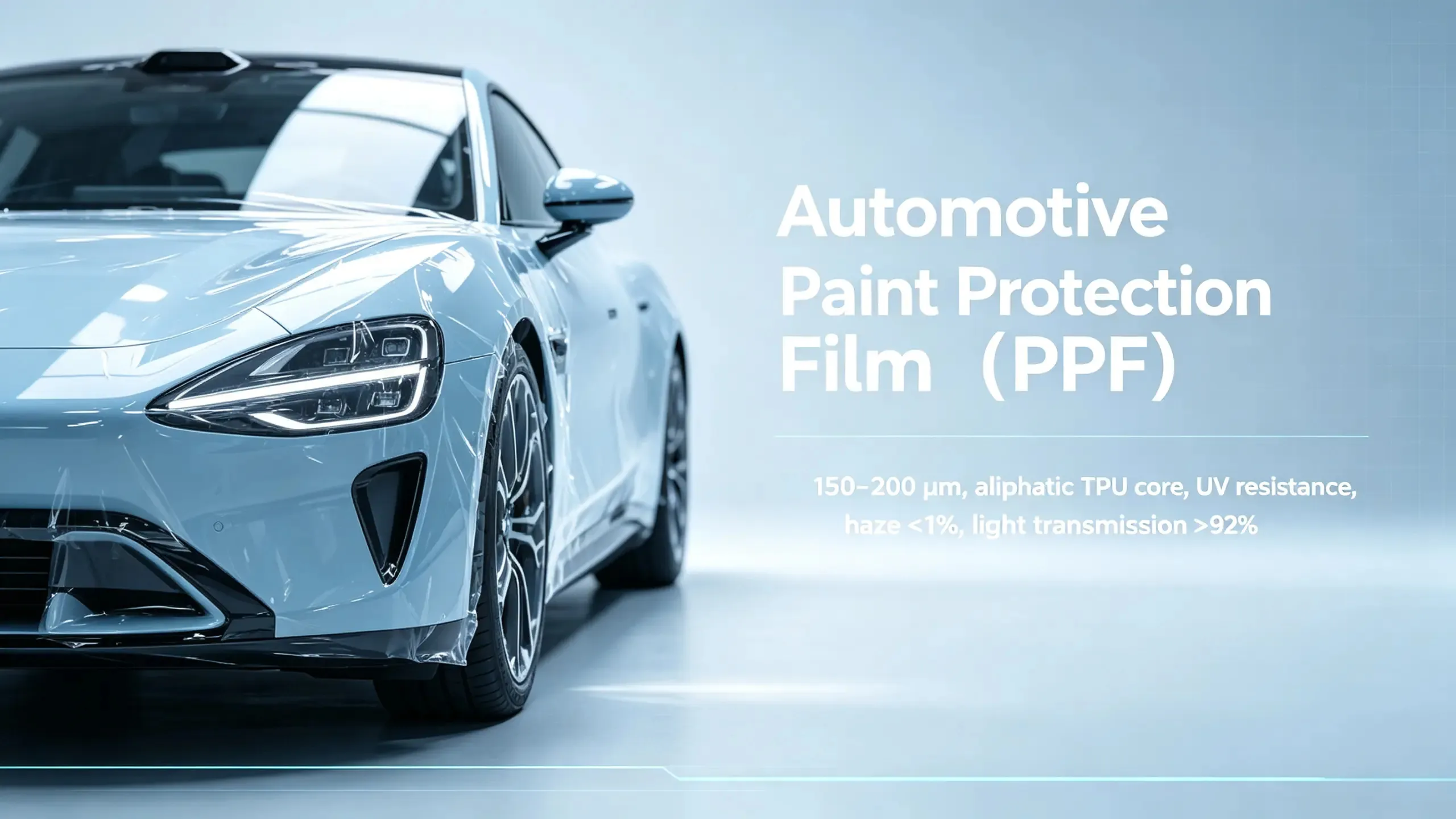
The automotive aftermarket and OEM industries consume TPU film at 150-200 μm thickness for PPF — a self-adhesive, optically clear film applied to vehicle paint surfaces to protect against stone impacts, scratches, insect acids, and environmental fallout. PPF-grade TPU is formulated with a clearcoat-compatible top layer, an aliphatic TPU core for UV resistance and non-yellowing, and an acrylic pressure-sensitive adhesive layer. The Jwell line can be configured with coextrusion capability for producing the multi-layer structure required for PPF in a single pass, with optical clarity measured as haze below 1% and light transmission above 92% at the finished film thickness.

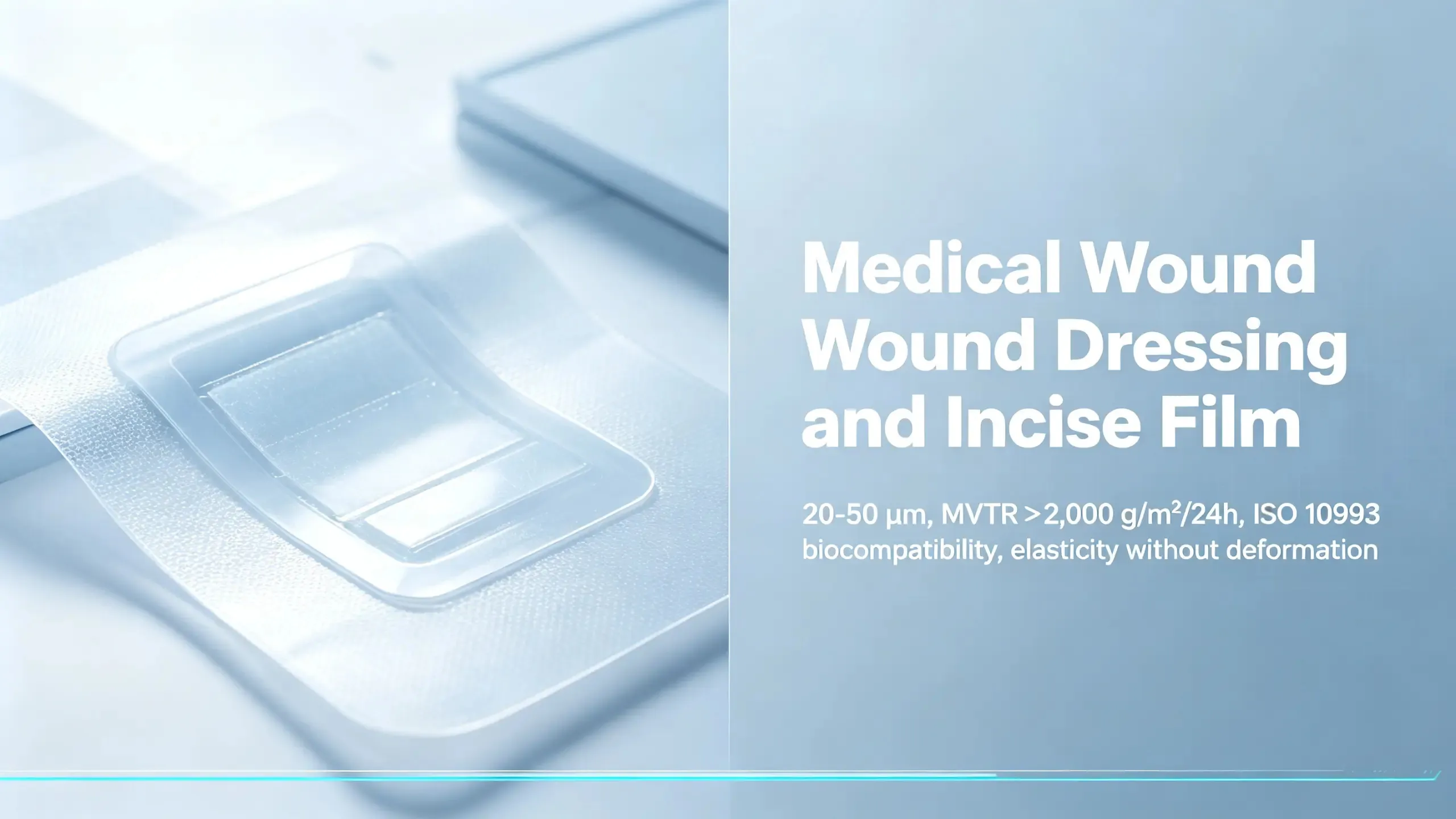
Medical Wound Dressing and Incise Film

Medical-grade TPU film at 20-50 μm thickness serves as the transparent dressing film in post-surgical wound care, IV catheter securement, and incise drapes (the antimicrobial film applied over the surgical site before incision). The film must be optically clear for wound inspection, moisture vapor permeable (MVTR >2,000 g/m²/24h) to prevent maceration, and conformable to body contours without restricting movement. TPU’s superiority over alternative materials (PE, EVA) in this application comes from its elasticity — the film stretches with skin movement and returns without permanent deformation or edge lifting — and its biocompatibility passing ISO 10993-5 and -10.

Frequently Asked Questions

What are the differences between polyester-based and polyether-based TPU for film applications? -

The choice between polyester-TPU and polyether-TPU depends on the film’s exposure conditions and required properties. Polyester-TPU offers higher tensile strength (40-55 MPa vs 30-45 MPa), better abrasion resistance, and better resistance to oils, fuels, and solvents — making it the preferred choice for automotive PPF, industrial belts, and oil-contact applications. However, polyester-TPU is susceptible to hydrolysis when exposed to warm, humid conditions for extended periods, limiting its suitability for tropical-climate outdoor applications. Polyether-TPU offers superior hydrolysis resistance, better low-temperature flexibility (brittle point -60°C vs -40°C for polyester), and better microbial resistance — making it the preferred choice for medical applications requiring repeated autoclave sterilization, outdoor inflatable products in humid environments, and any application involving warm-water contact. Polyether-TPU is also typically more expensive than polyester-TPU by $0.50-1.00/kg. Jwell’s line can process both types without hardware modification — only temperature profile and screw speed adjustments are required for grade-to-grade conversion.

Can Jwell's TPU line produce matte-finish film for applications requiring low gloss? +

Yes. The standard Jwell TPU line uses a mirror-polished casting roll producing a gloss finish — typical 60° gloss values of 100-120 GU for polyester-TPU. For matte-finish film (gloss 10-30 GU), the line can be equipped with a matte-finish casting roll or, for applications requiring different gloss levels on each surface (e.g., glossy outer surface for appearance, matte inner surface for reduced blocking), a secondary embossing station after the casting section. The matte or embossed surface texture is imparted to the film while it is still above its softening point, ensuring permanent texture that does not smooth out during subsequent heat-lamination processes.

Related Sheet Extrusion Lines

WPC Flooring Production Line

WPC Flooring Production Line

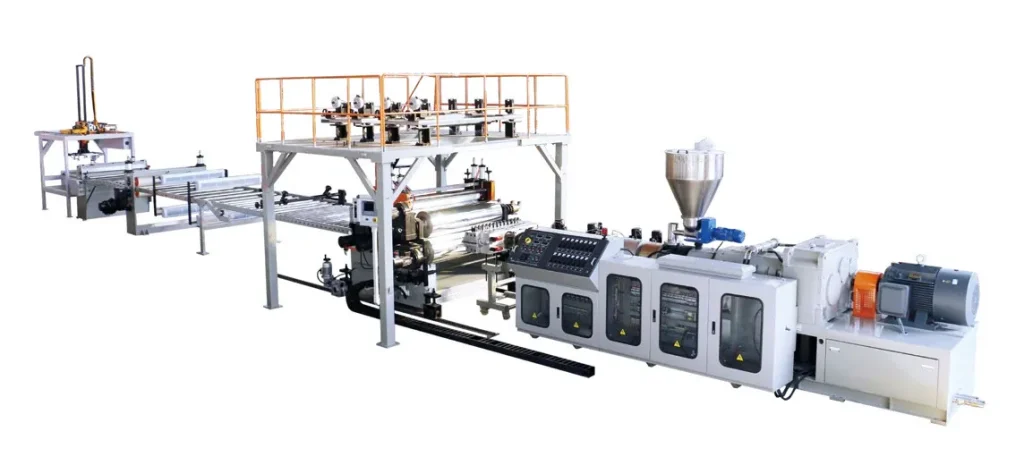
Extruder Type: Conical twin-screw, vented; Screw Material: 38CrMoAlA, nitrided, bimetallic optional; Screw Structure: Conical twin, designed for PVC + wood flour + CaCO₃ + foaming agent; L/D Ratio: Optimized for controlled foaming zone
Learn More ➔
SPC Flooring Production Line

SPC Flooring Production Line

Screw Diameter: Φ 80 mm / Φ 92 mm / Φ 110 mm / Φ 180 mm; Output (24h, SPC): 6-8 T / 12-18 T / 25-32 T / 70-100 T; Line Speed at 4 mm: 0.4-0.6 m/min / 0.8-1.3 m/min / 1.8-2.4 m/min / 5-9 m/min; Screw Material: 38CrMoAlA, nitrided, bimetallic optional / ← Same / ← Same / ← Same

Learn More ➔

Why Choose Jwell for Your PET Sheet Line

🏭

Factory/Experience

Jwell has manufactured PET sheet extrusion equipment since 2005, accumulating field data from over 400 installed PET lines worldwide. Each new machine generation incorporates refinements validated across hundreds of real production environments — not just lab prototypes.

🔬

Test/Validate

Our Changzhou facility operates a full production-scale PET line for customer trials. Bring your raw materials and target specifications — we run your recipe before you commit. The line delivered to your factory is a proven configuration, eliminating startup risk.

🌍

Service/Support

Factory-trained Jwell engineers based in Brazil, Spain, Mexico, and Shanghai travel to customer sites for installation and operator training. Remote diagnostic support via WeChat/WhatsApp responds within 2 hours. Critical spares ship from Shanghai within 48 hours.

Request a Quote or Technical Consultation

Your information will never be shared with third parties.