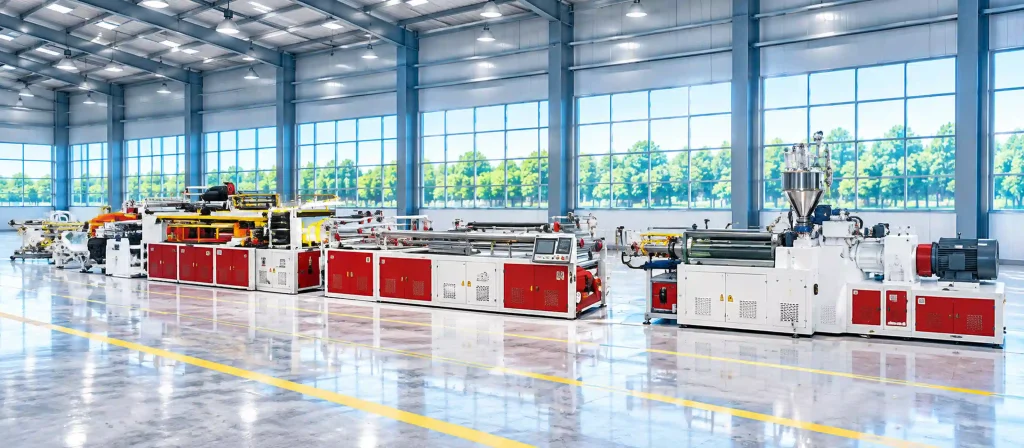
WPC Flooring Production Line
Jwell WPC Flooring Production Line produces lightweight, durable wood-plastic composite flooring with a foamed core, precision calendering, embossing, UV coating and automated profiling.

PP/PE Thick Plate Extrusion Line Overview
JWELL PP/PE Thick Plate Extrusion Line is designed for the efficient production of polypropylene (PP) and polyethylene (PE/HDPE) thick plates used in demanding industrial applications.
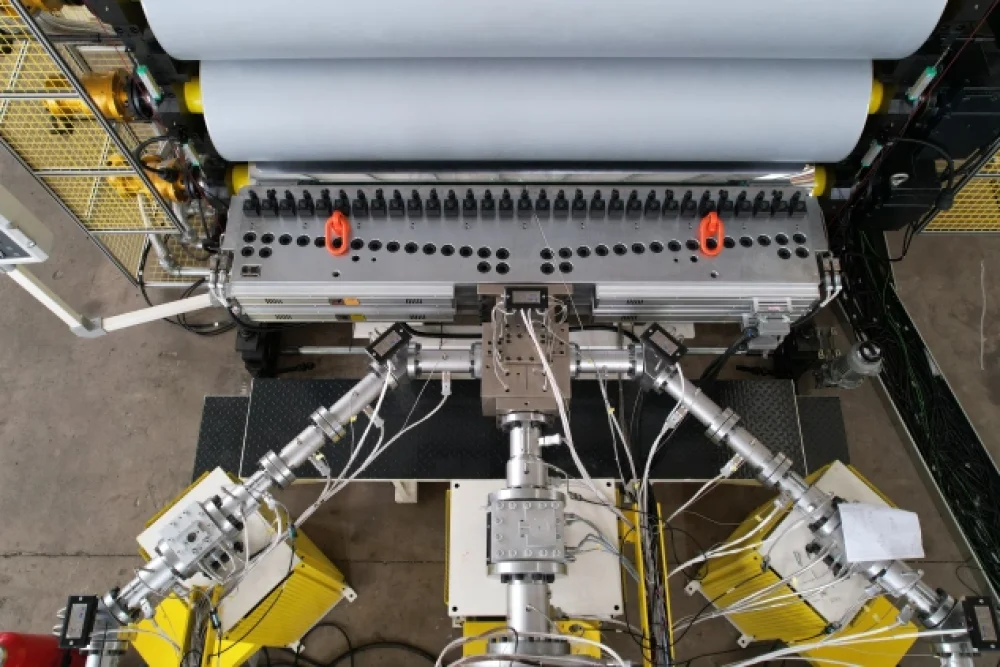
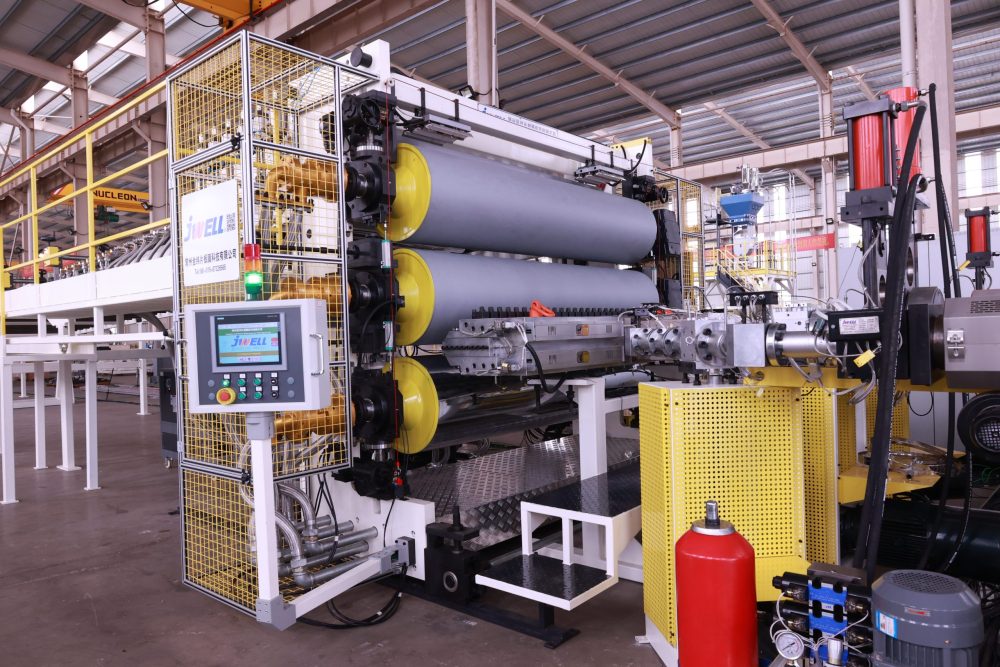
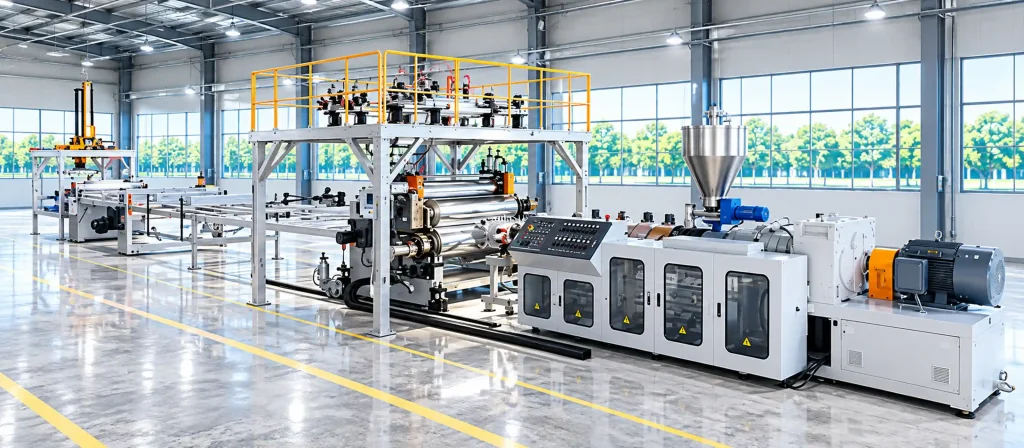
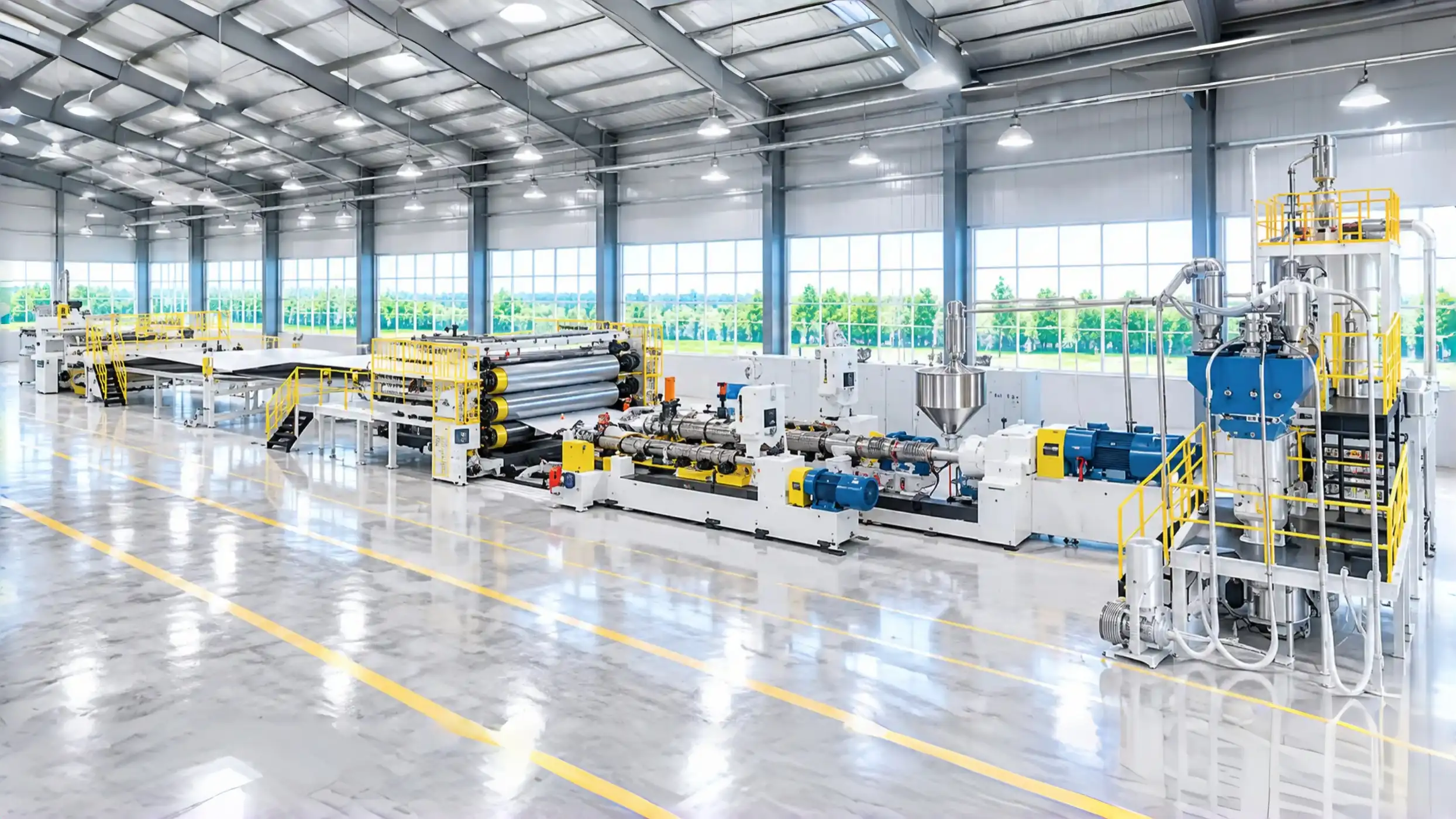
The production line integrates an optimized extrusion system, precision temperature control, adjustable flat T-die, heavy-duty three-roll calendering, and extended cooling equipment. These systems work together to ensure uniform material plasticization, stable plate forming, consistent thickness, and improved dimensional stability.
PP and HDPE thick plates offer excellent chemical resistance, impact resistance, and fabrication flexibility, making them suitable for chemical storage tanks, industrial machinery, food processing equipment, water treatment systems, and protective structures.
With customizable equipment configurations, optional automated thickness control, and online edge trimming and recycling systems, JWELL provides reliable and efficient solutions for industrial thick plate manufacturing.
Engineered for High-Performance PP/PE Thick Plate Production
The advanced extrusion system is designed for efficient PP and PE/HDPE processing. An optimized screw structure and intelligent temperature control help achieve uniform material melting, stable melt flow, and consistent extrusion performance.
Key Advantages
Optimized screw design for efficient plasticization
Precise temperature control for stable processing
Consistent melt delivery for continuous thick plate production
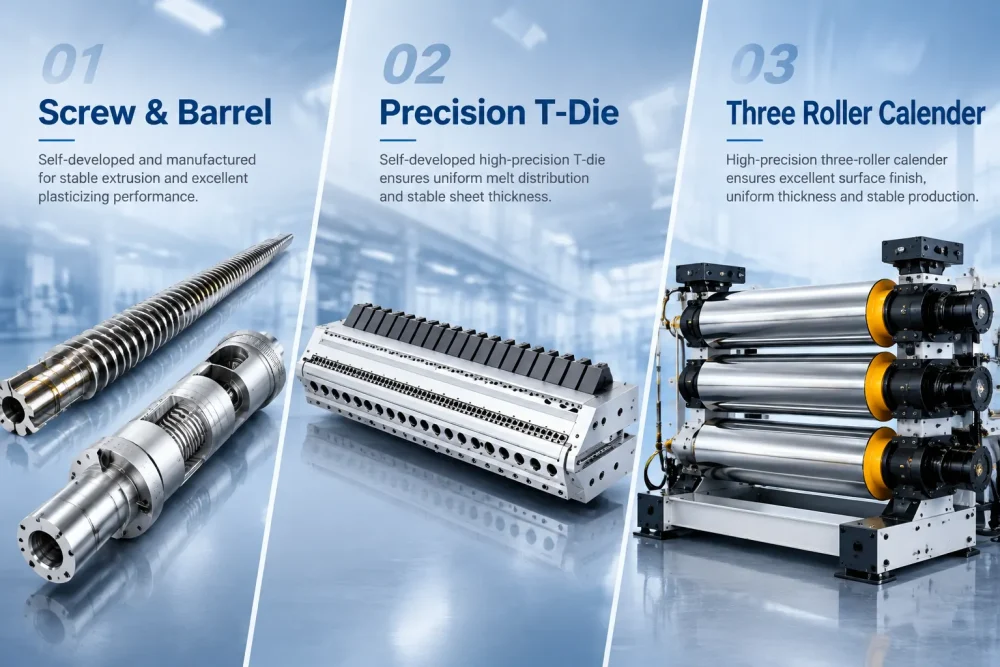
Screw & Barrel | Precision T-Die | Roller
JWELL develops and manufactures key extrusion components, including screw and barrel systems, precision flat T-dies, and calendering rollers. These technologies support reliable processing and consistent quality in heavy-gauge plate production.
Key Advantages
Screw & Barrel: Efficient melting of PP and HDPE materials
Precision T-Die: Uniform melt distribution across wide plates
Roller: Stable shaping and controlled surface cooling
The precision flat T-die is designed to distribute molten material evenly across the plate width. Adjustable die opening and optional automatic control help maintain consistent plate thickness under different production conditions.
Key Advantages
Uniform melt flow across the die
Adjustable die lip opening
Optional automatic thickness adjustment
The heavy-duty three-roll calendering system provides precise roller gap adjustment and stable temperature control. It supports uniform plate thickness, smooth surface formation, and controlled cooling to help reduce internal stress and deformation.
Key Advantages
Precision roller gap adjustment
Stable roller temperature control
Improved plate flatness and dimensional stability
PP and HDPE thick plates require carefully controlled cooling to reduce uneven shrinkage and residual stress. The extended cooling system supports gradual heat dissipation, helping improve plate flatness and dimensional consistency.
Key Advantages
Gradual and controlled plate cooling
Reduced risk of shrinkage and warping
Stable plate dimensions during continuous production
The online edge trimming system removes excess material during plate production. When equipped with suitable crushing and recycling equipment, trimmed edges can be collected, processed, and reused according to material quality and production requirements.
Key Advantages
Continuous edge trimming
Optional crushing and scrap recovery
Improved raw material utilization
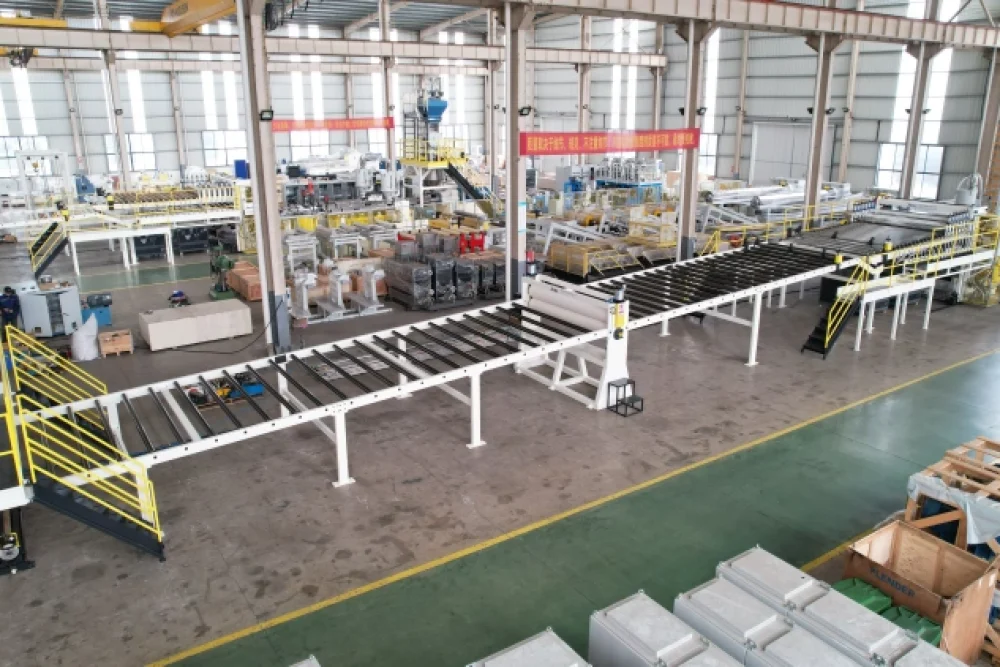
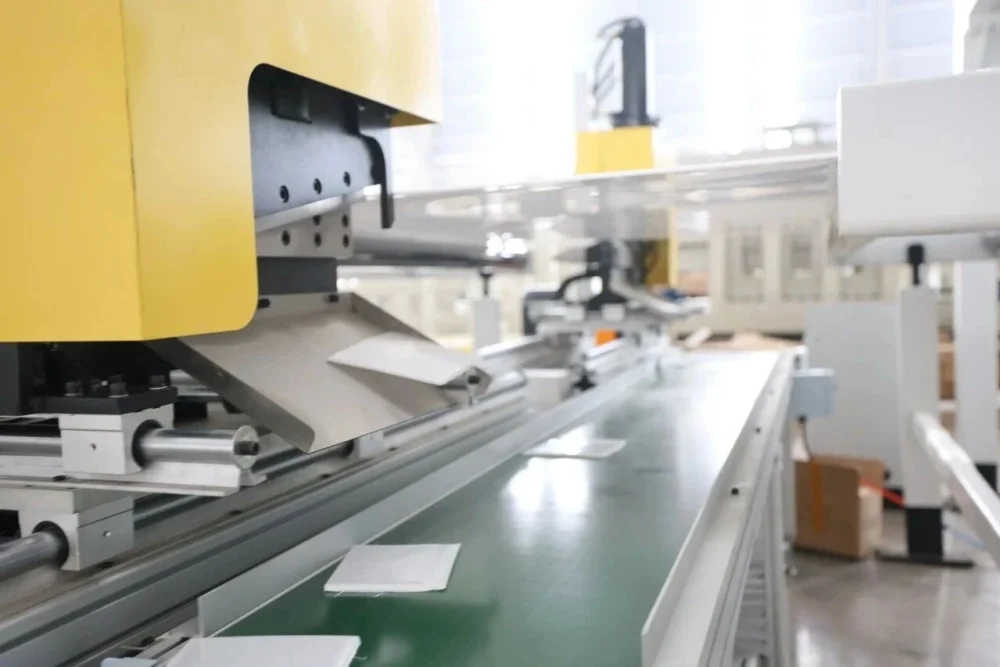
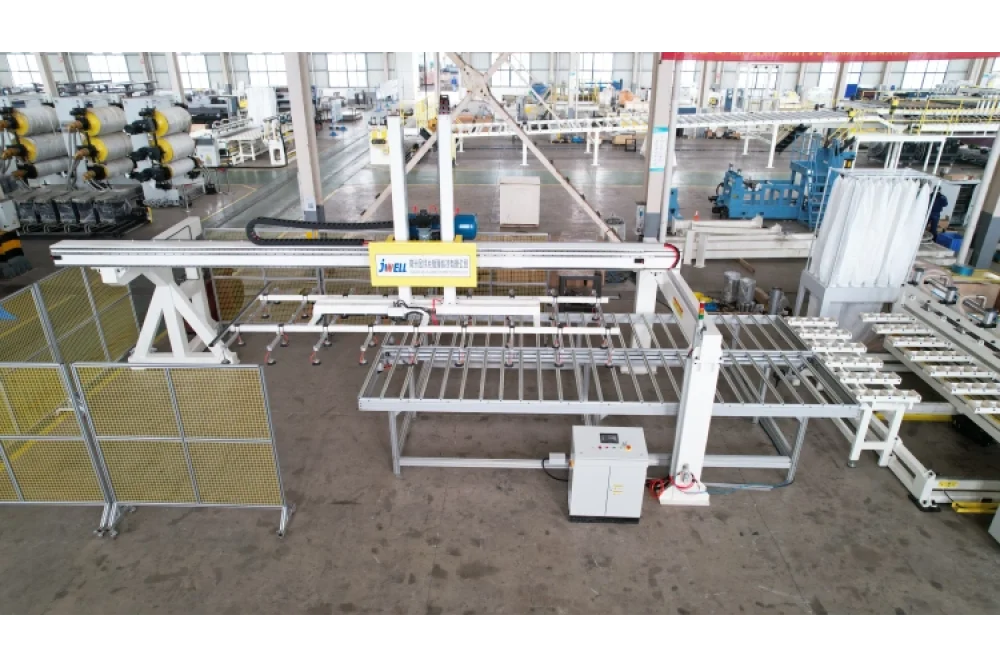
The downstream system integrates stable haul-off, precision length cutting, and optional automatic stacking to improve production continuity and reduce manual handling of heavy PP/PE plates.
Key Advantages
Stable haul-off and plate transportation
Accurate cutting to required lengths
Optional automated stacking and handling
Technical Parameters of PP/PE Thick Plate Extrusion Line
| Parameter | JW120-1600 | JW150-2100 | JW170/180-3700 |
|---|---|---|---|
| Suitable Material | PP / PE | PP / PE | PP / PE |
| Product Width (mm) | 1220 | 1500 | 3000 |
| Product Thickness (mm) | 3–30 | 3–30 | 3–30 |
| Designed Capacity (kg/h) | 500 | 500–1000 | 800–2000 |
Note:
The above specifications are subject to change without prior notice. Actual production capacity may vary depending on material properties, product dimensions and processing conditions.
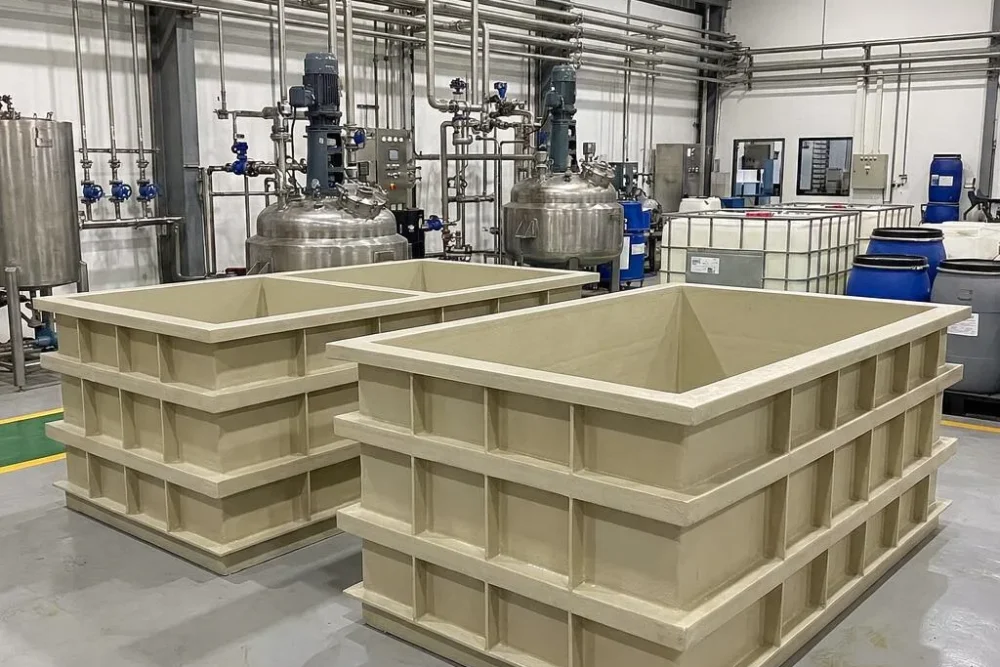
PP/PE thick plates are used to fabricate chemical storage tanks and corrosion-resistant containers, offering excellent chemical resistance and reliable performance in industrial environments.
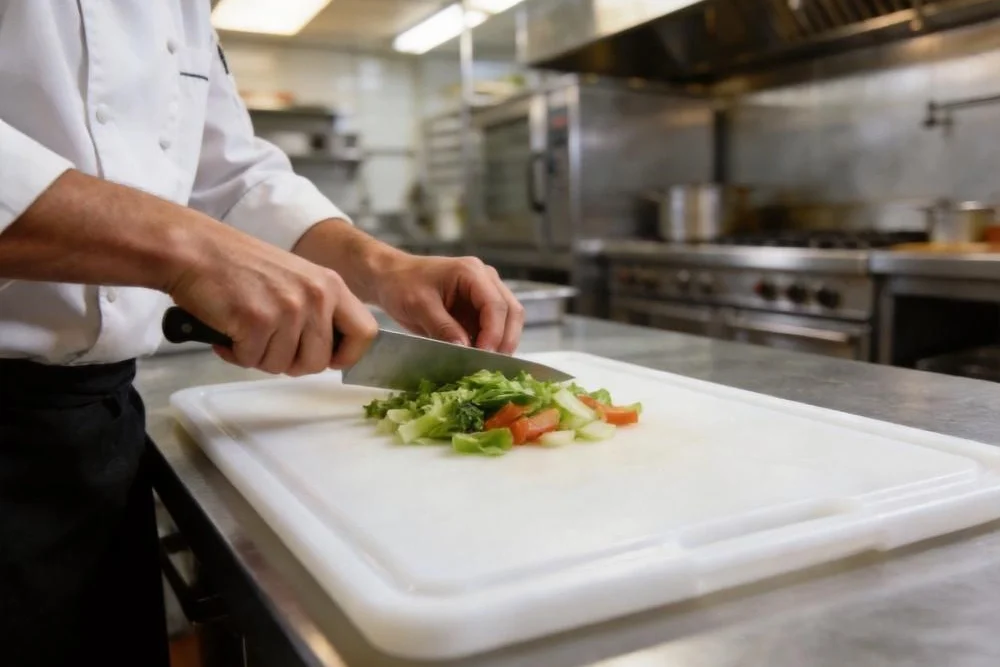
Suitable grades of PP and PE plates are used in food processing equipment, storage containers, processing tanks and protective components. Their moisture resistance, corrosion resistance and easy-to-clean surfaces support hygienic industrial processing applications.
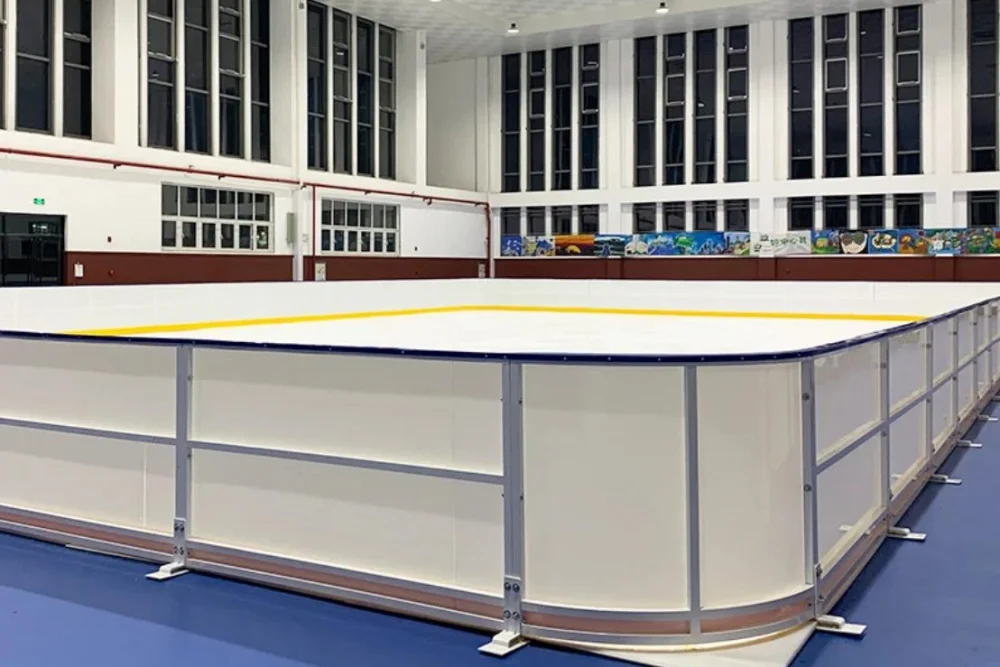
HDPE thick plates are commonly used for ice rink dasher boards and protective barriers. Their excellent impact resistance, toughness and low-temperature performance make them suitable for demanding ice sports environments.
Specially formulated antistatic PP/PE sheets can be used for industrial protective panels, equipment covers and electronic manufacturing environments requiring static control.
The three models scale by screw diameter and motor power:
Selection guidance: if your current annual plate demand is below 3,000 tonnes, the JWPE-150 provides adequate capacity. For 3,000-5,000 tonnes, the JWPE-170 balances investment against throughput. Above 5,000 tonnes, the JWPE-180 maximizes revenue per square meter of factory floor space. All models share identical downstream equipment — you can start with a JWPE-150 and upgrade to a larger extruder later without replacing the entire line.
Yes, the line processes HDPE, HMW-HDPE, UHMW-PE blends, PP homopolymer, and PP copolymer. Material changeover uses recipe-based PLC presets controlling barrel temperature profiles, screw speed ranges, melt pump settings, roller temperatures, and haul-off speed. The complete PE-to-PP transition requires approximately 2-3 hours:
1. Purging the extruder and melt pump with PP-compatible purging compound (~60-90 min)
2. Switching screen packs in the hydraulic screen changer (~20 min)
3. Adjusting roller temperatures — PE typically runs at 60-85°C, PP at 100-130°C (~45-60 min)
4. Recalibrating haul-off tension and cutter settings (~15 min)
The PLC stores up to 20 recipe presets, so once both PE and PP recipes are saved, subsequent changeovers require approximately 2 hours. Jwell engineers provide on-site training for the complete changeover protocol during commissioning.
The selection depends on your target market and quality requirements:
– Jwell in-house pump: Suitable for standard industrial plate applications (construction formwork, temporary protection plates, general fabrication) where cost optimization is the primary driver. Provides adequate ±0.5% volumetric consistency for most applications.
– Maag (Switzerland): Recommended for specification-driven markets where gauge tolerance directly affects customer acceptance — chemical tank lining (weld quality depends on thickness uniformity), food processing plate (uniform heating in thermoforming equipment), and marine fendering (load distribution uniformity).
– Nordson (USA): Recommended for processors running high percentages of recycled content or high-filler formulations that generate elevated melt pump discharge pressures. The robust bearing and seal design extends service intervals under demanding conditions.
The 38CrMoAlA nitrided screw with HV≥940 surface hardness typically achieves 18,000-24,000 operating hours before requiring re-nitriding or replacement, depending on feedstock characteristics:
– Virgin HDPE/PP production with minimal filler: 22,000-24,000 hours
– Production with up to 20% recycled content: 18,000-22,000 hours
– Production with 30-40% mineral filler (PP): 15,000-18,000 hours
The screw is designed for re-nitriding — the 0.5-0.7 mm case depth allows one re-nitriding cycle before the screw diameter falls below service tolerance. Jwell supplies a complete screw maintenance manual with wear measurement procedures and re-nitriding specifications. A spare screw is recommended for operations running above 7,000 annual hours to eliminate production downtime during screw maintenance.
Installation and commissioning follows this schedule:
– Site preparation (customer responsibility): Reinforced concrete foundation per Jwell’s layout drawing (C25/30, ≥200 mm thickness), utility connections (power, cooling water 25-40 m³/h, compressed air 0.6-0.8 MPa), overhead crane ≥5-ton capacity, appropriate factory clearance for 35-45 m line length
– Mechanical installation (Jwell engineers + customer team): 7-10 working days
– Electrical installation and wiring: 3-5 working days
– Cold commissioning (no material): 1-2 working days
– Hot commissioning (production trial with customer’s materials): 3-5 working days
– Operator training: Integrated during hot commissioning, approximately 20 hours total
Jwell provides 1-2 factory-trained engineers on-site for the full duration. Customers should allocate 2-3 mechanical technicians and 1-2 electrical technicians to work alongside Jwell engineers for knowledge transfer.
The line’s total weight of 35-50 tonnes distributed over 35-45 meters creates approximately 1-1.5 tonnes per linear meter of floor loading — typical for heavy extrusion equipment and within the capacity of standard industrial building floor slabs meeting the C25/30, 200 mm specification.

Jwell WPC Flooring Production Line produces lightweight, durable wood-plastic composite flooring with a foamed core, precision calendering, embossing, UV coating and automated profiling.

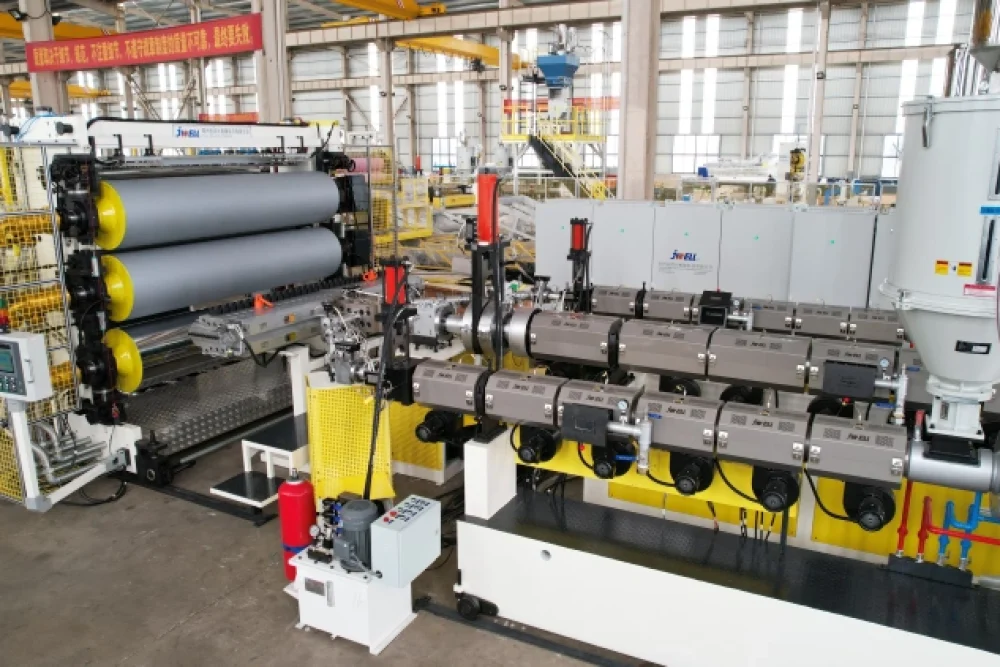
Jwell SPC Flooring Production Line delivers turnkey production from mixing and extrusion to calendering, UV coating, profiling, lamination and packaging.
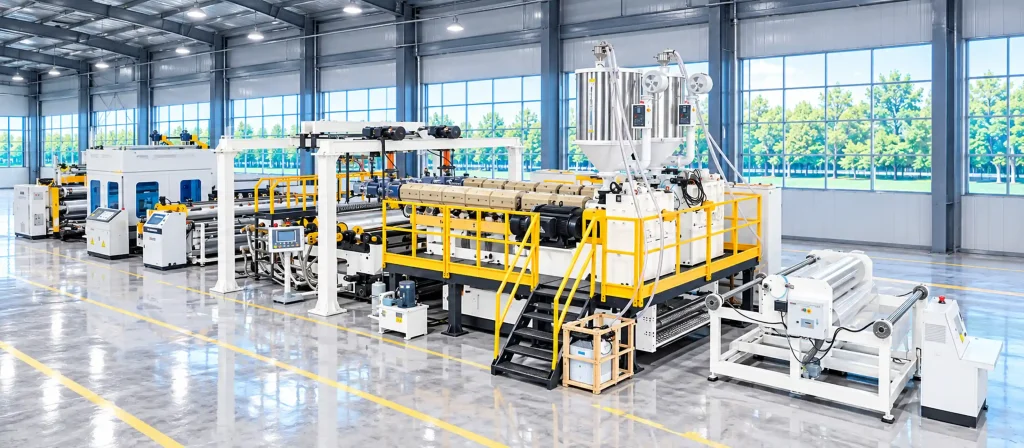
JWELL TPU Casting & Laminating Film Extrusion Line integrates precision casting, online lamination and automatic winding to produce TPU composite films and laminated fabrics for footwear, textiles and outdoor applications.
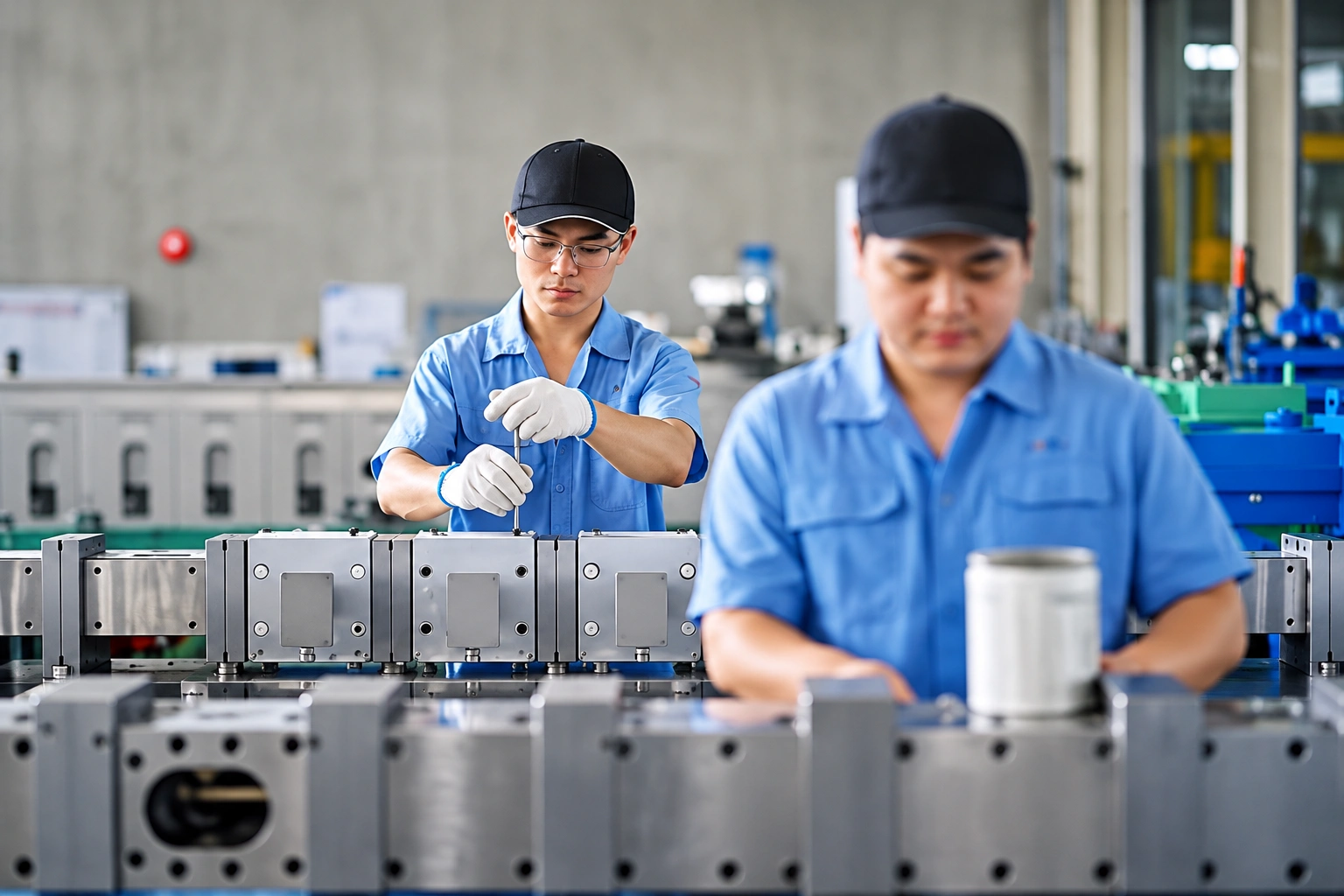
JWELL has strong expertise in extrusion machinery manufacturing, with in-house development and production capabilities for key components such as screw and barrel systems, precision T-dies, and calendering rollers.
Our integrated manufacturing capabilities help ensure equipment quality, reliable performance, and consistent production standards.
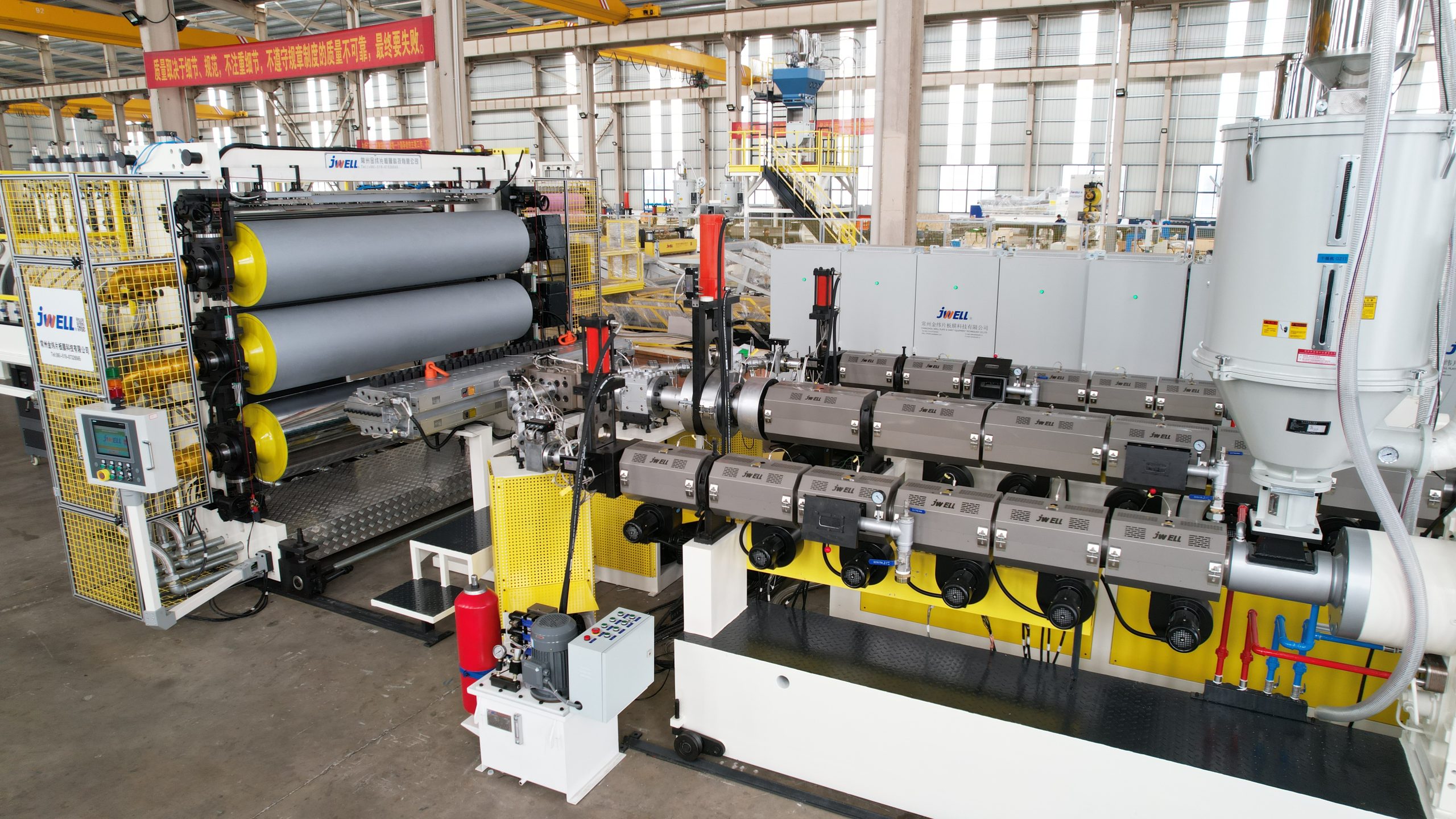
Different PP and PE materials require different processing conditions. JWELL provides customized extrusion line configurations according to material characteristics, plate width, thickness, production capacity, and downstream processing requirements.
From standard thick plate production to large-width industrial plate manufacturing, equipment configurations can be tailored to individual production needs.
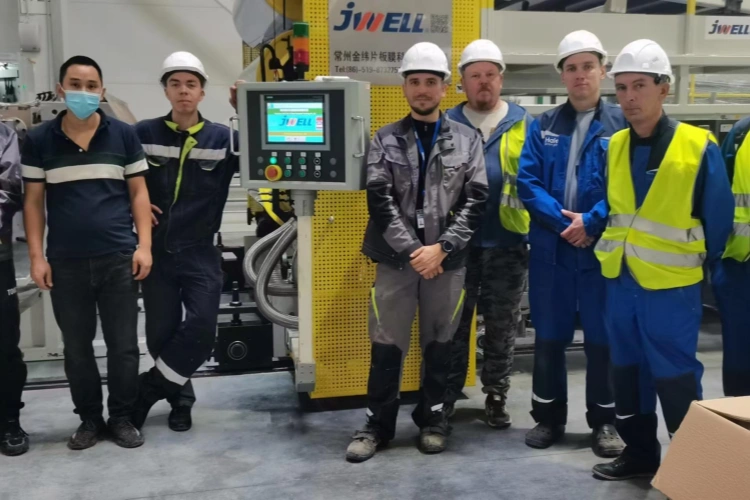
JWELL provides technical support throughout the equipment project lifecycle, including production line planning, factory acceptance testing (FAT), installation guidance, commissioning, operator training, and after-sales service.
Our technical team helps customers establish stable production processes and improve manufacturing efficiency.
Jwell Machinery Co., Ltd sets up in 1997 , we are large manufacturer of plastic extrusion machinery in China, our headoffice was located in Shanghai.
SOLUTIONS
PRODUCTS
CONTACT
Copyright © Jwell Machinery Co., Ltd 2026. All rights reserved. Privacy Policy | Terms & Conditions | Site Map
Tell us about your specific requirements. Our team can help you identify a solution for your project.