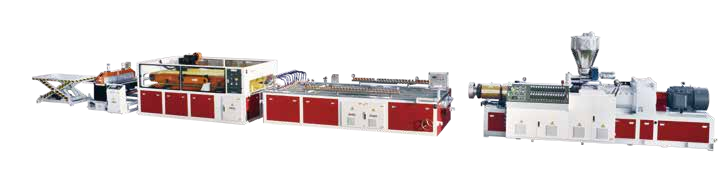
PVDF Plate Extrusion Line

Discuss Your PVDF Project with an Engineer

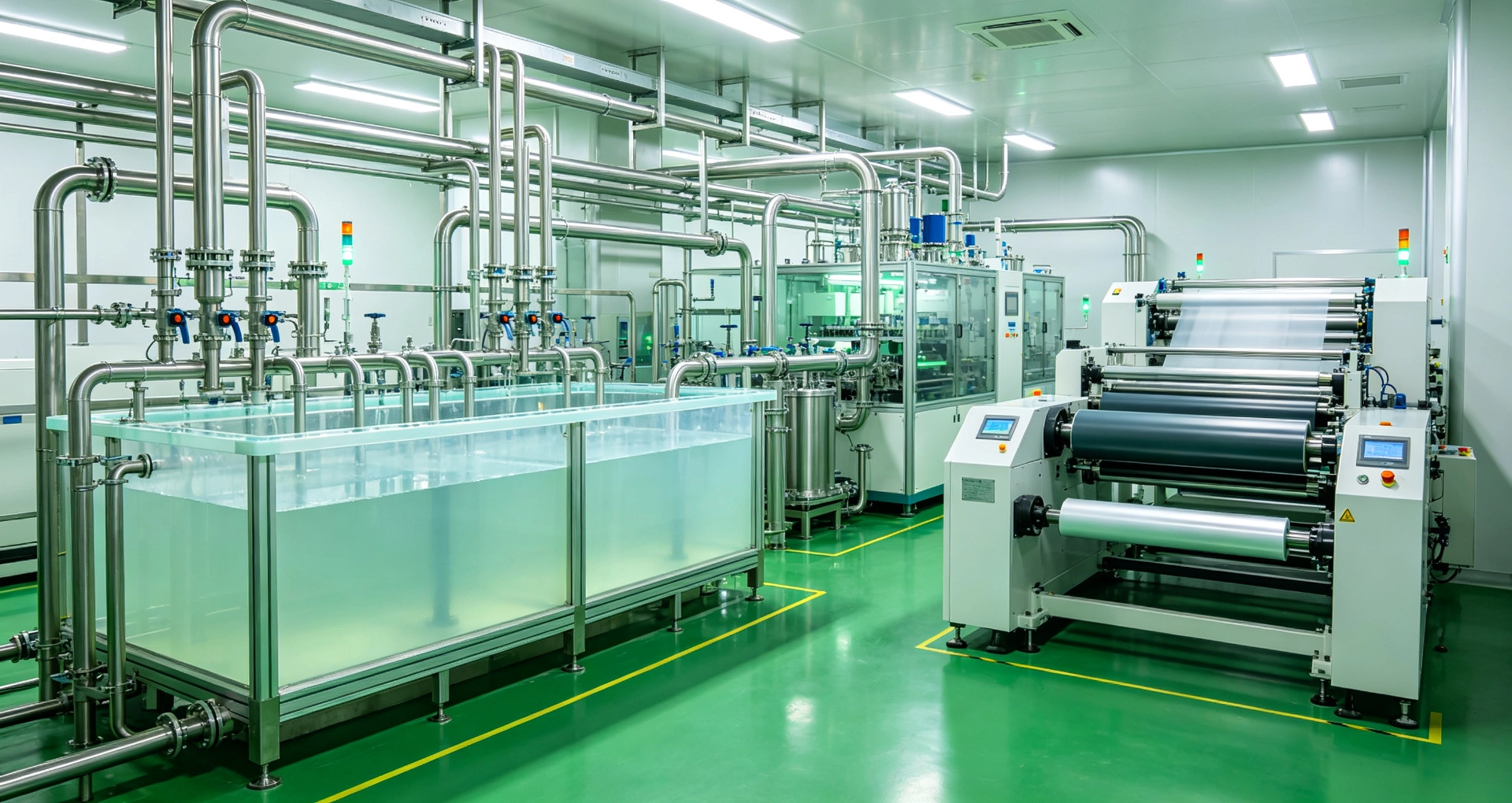
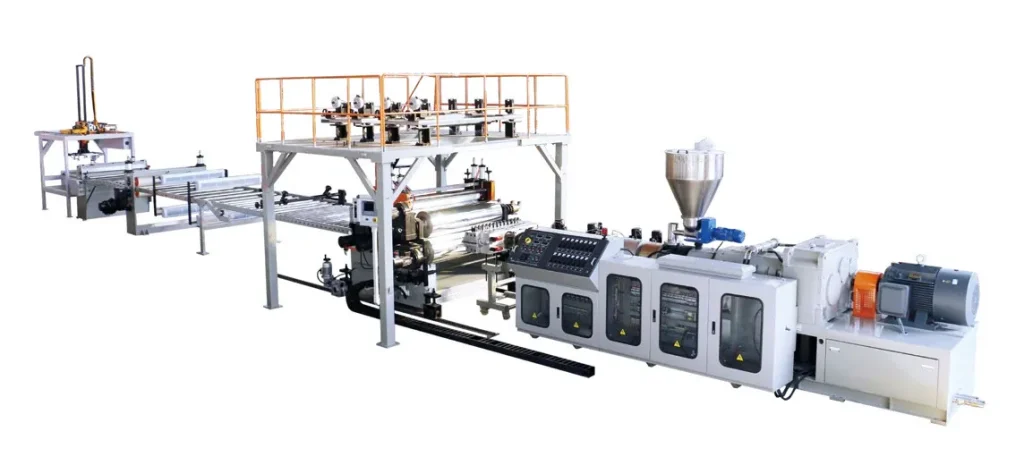
| pvdf-plate-hero.webp | Jwell PVDF plate extrusion line — Hastelloy C-276 corrosion-resistant system |

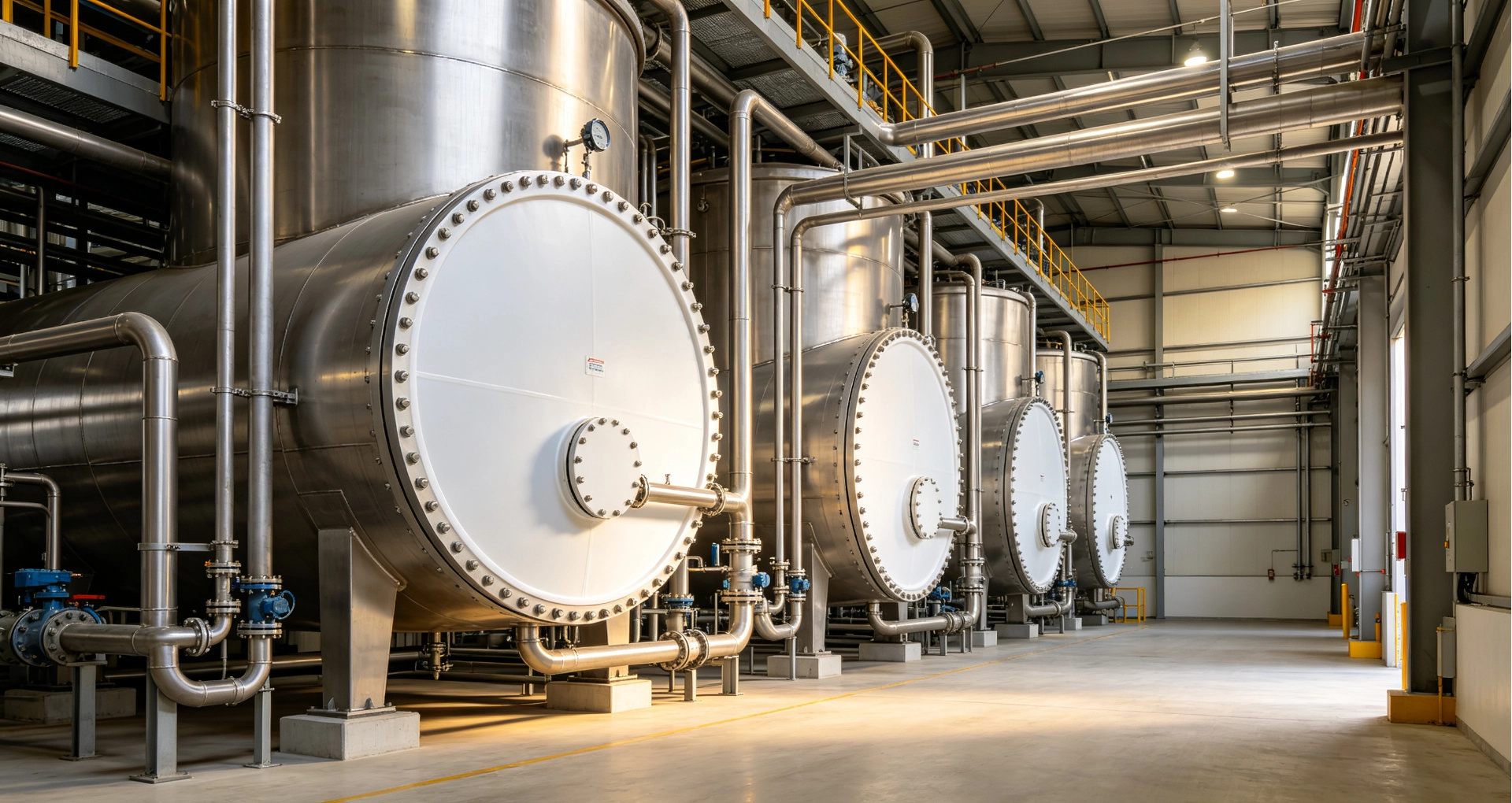
| pvdf-plate-extruder.webp | PVDF single-screw extruder with Hastelloy C-276 screw and barrel |

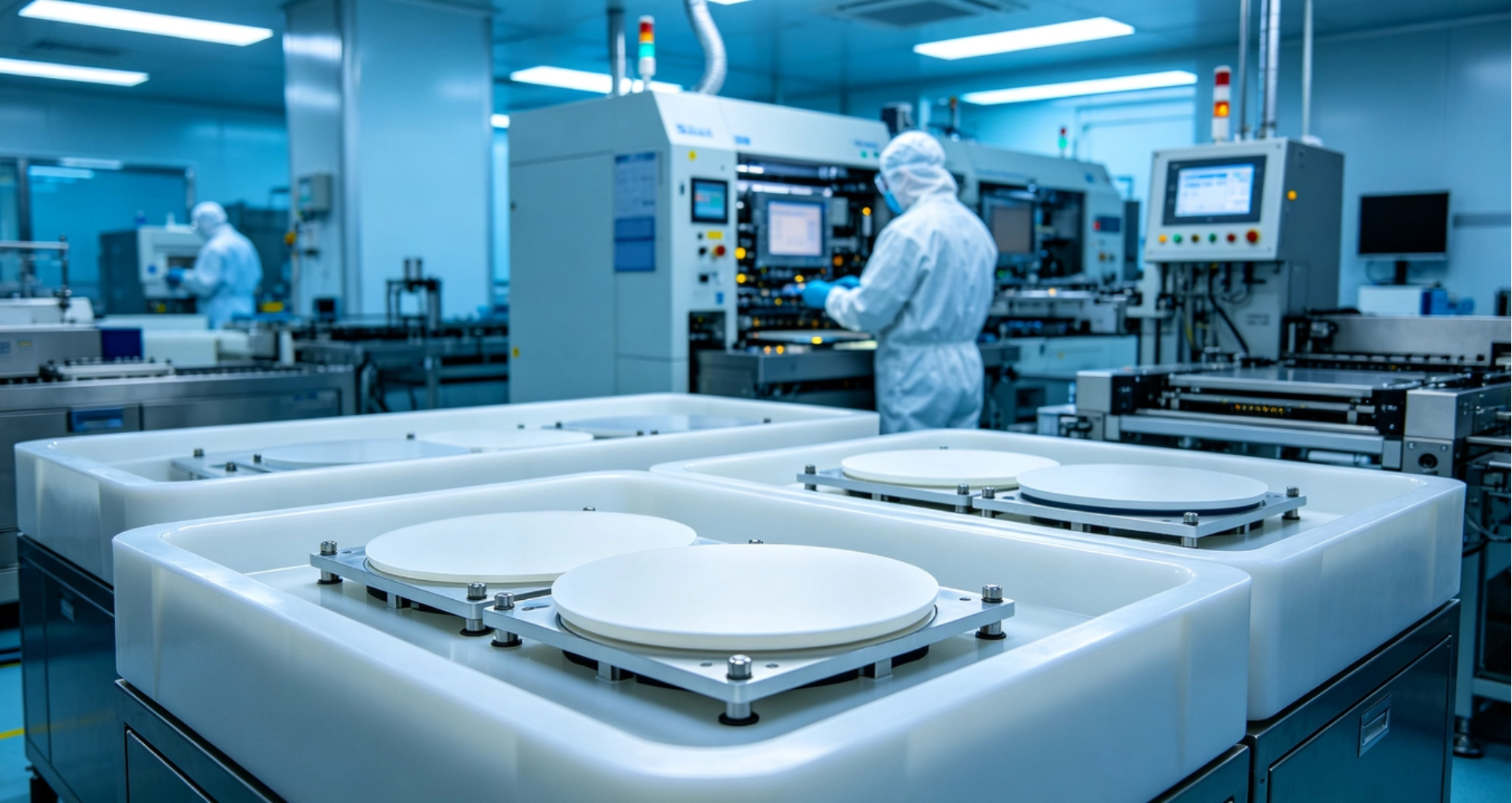
| pvdf-plate-die.webp | Hastelloy T-die for PVDF plate extrusion — corrosion-resistant flow surfaces |

PVDF Plate Extrusion Line: Related JWELL Extrusion Lines

The PVDF Plate Extrusion Line is part of JWELL’s complete extrusion portfolio. Customers evaluating this PVDF Plate Extrusion Line also frequently request our PMMA Plate Extrusion Line | Jwell Machinery and PC Sheet Extrusion Line | Solid Polycarbonate 1-12mm | Jwell, which share the same proven screw, die and control platforms. For layout drawings, pricing and lead times, contact JWELL Machinery directly.

# Item Key Point
1 🌀 Hastelloy C-276 Wetted Parts Corrosion-Proof Processing for Fluoropolymer Melt — SEO: Hastelloy C-276 extruder, PVDF corrosion resistant extrusion, nickel alloy screw barrel, fluoropolymer pr
2 ⚡ Semiconductor-Grade Purity <1 ppb Metal Contamination for Sensitive Applications — SEO: ultra high purity extrusion, semiconductor grade PVDF, ppb metal contamination, clean extrusion processin
3 🎯 Multi-Zone Precision Heating ±1°C Control to Prevent HF Generation — SEO: PVDF processing temperature, fluoropolymer thermal stability, precision barrel heating, HF prevention ext
4 🔄 Full-Line Corrosion Protection Chrome-Plated Rollers, Stainless Steel Cooling, PTFE Seals — SEO: corrosion resistant calendaring, PVDF plate polishing, fluoropolymer downstream equipment, acid resistant

Hastelloy C-276 Wetted Parts — Corrosion-Proof Processing for Fluoropolymer Melt

SEO: Hastelloy C-276 extruder, PVDF corrosion resistant extrusion, nickel alloy screw barrel, fluoropolymer processing equipment

The defining engineering challenge of PVDF extrusion is material corrosion. At processing temperatures of 220-270°C, PVDF releases trace amounts of hydrogen fluoride (HF) — a highly reactive acid that attacks standard nitrided steel within weeks of continuous operation. The corrosion products (iron fluorides) contaminate the PVDF product at ppm levels — rendering it unusable for semiconductor and pharmaceutical applications where metal contamination specifications are <1 ppb.

Jwell’s PVDF extrusion line solves this with Hastelloy C-276 (UNS N10276) for every component that contacts molten PVDF: the screw and screw elements, the barrel liner, the screen changer housing and breaker plate, the melt pump gears and housing, the T-die flow channels and die lips, and the melt temperature/pressure sensor diaphragms. Hastelloy C-276 is a nickel-chromium-molybdenum alloy with exceptional resistance to oxidizing and reducing acids, including HF at elevated temperatures. Its corrosion rate in PVDF melt environments is 5 mm/year for standard nitrided steel — effectively providing the service life of the machine rather than a consumable replacement interval.

The Hastelloy screw is manufactured to the same geometric precision as Jwell’s standard screws: 0.01 mm concentricity, polished to Ra 0.2 μm finishes on all flow surfaces. The barrel is lined with a centrifugally cast Hastelloy C-276 sleeve, mechanically bonded to the steel outer barrel for structural strength and heat transfer — combining the corrosion resistance of Hastelloy with the pressure containment of steel.

Semiconductor-Grade Purity — <1 ppb Metal Contamination for Sensitive Applications

SEO: ultra high purity extrusion, semiconductor grade PVDF, ppb metal contamination, clean extrusion processing

Semiconductor wet bench and pharmaceutical processing equipment demand PVDF components with metal contamination below 1 ppb (parts per billion). At this level, even a microscopic wear particle from a standard steel screw tip introduces detectable contamination that can cause wafer defects or batch rejection in pharmaceutical production.

Jwell’s purity assurance goes beyond Hastelloy material selection to encompass the entire processing chain. The Hastelloy C-276 wetted surfaces eliminate iron, chromium, and nickel contamination from corrosion. The resin drying system uses polished stainless steel hoppers and dried, filtered air (-40°C dew point) to prevent atmospheric moisture and particulate contamination. The die and roller surfaces are maintained at Ra ≤0.05 μm (mirror-finish chrome over Hastelloy) with no porosity, pits, or surface defects where metal particles could lodge and later release. The cooling water circuit is closed-loop with deionized water to prevent mineral deposits on the plate surface.

The finished PVDF plate is capable of meeting SEMI F57 (ultra-pure water system components) and ASME BPE (bioprocessing equipment) surface finish and purity specifications. Each production batch is documented with a process data log from the Siemens PLC — temperature profiles, residence time, screw RPM, and throughput — providing the traceability required by semiconductor equipment OEM quality audits.

Multi-Zone Precision Heating — ±1°C Control to Prevent HF Generation

SEO: PVDF processing temperature, fluoropolymer thermal stability, precision barrel heating, HF prevention extrusion

The processing window for PVDF is narrow and unforgiving. Below 210°C, the melt viscosity is too high for uniform die flow. Above 280°C, thermal degradation accelerates, generating HF at rates that compromise both product quality (bubbles, discoloration) and equipment life (accelerated corrosion). The optimal processing range is 220-260°C, and within this range, every +5°C increase roughly doubles the HF generation rate.

Jwell’s temperature control system maintains ±1°C uniformity across 6 barrel heating zones (ceramic band heaters with forced-air cooling), 3 die zones (cartridge heaters with individual PID loops), and the melt pump and screen changer housings. The control strategy uses cascade PID — an outer loop controlling heater output and an inner loop monitoring melt temperature via immersion thermocouples in the melt stream — providing faster response to thermal disturbances than barrel-wall-only sensing.

The extruder screw design is optimized for low-shear melting to minimize viscous heating. The compression ratio is reduced to 2.2:1 (versus 2.8:1 for PVC) and the compression section is extended to 8 L/D, spreading the melting work over a longer zone to reduce peak shear rates. This design keeps melt temperature within 3-5°C of the barrel setpoint, versus 10-15°C overshoot typical of standard screw designs — a critical difference when processing PVDF where temperature overshoot directly generates corrosive HF.

Full-Line Corrosion Protection — Chrome-Plated Rollers, Stainless Steel Cooling, PTFE Seals

SEO: corrosion resistant calendaring, PVDF plate polishing, fluoropolymer downstream equipment, acid resistant sheet line

Corrosion protection does not end at the die. PVDF’s HF off-gas at processing temperatures can condense on downstream equipment surfaces — particularly on the three-roll polishing stack where plate surface temperatures are 120-180°C and off-gassing continues as the sheet cools. Unprotected carbon steel roller surfaces corrode within months, and the corrosion pits transfer as surface defects to the PVDF plate.

Jwell’s downstream equipment for PVDF processing includes:

– Three-roll polishing stack: 300 mm diameter rollers with hard chrome plating (60-80 μm thickness, 62-68 HRC), providing a corrosion-resistant surface with Ra 0.025-0.05 μm mirror finish. Roller seals use PTFE (Teflon) lip seals — the only elastomer compatible with HF exposure — rather than standard nitrile or Viton seals.

– Cooling conveyor: 304 stainless steel roller conveyor with HDPE roller sleeves (PVDF itself is used as the sleeve material in some configurations, creating a same-material contact surface).

– Haul-off and winder: Stainless steel pull rollers with PTFE-coated nip rollers.

– All structural frames near the die and roller section are 304 stainless steel or epoxy-coated carbon steel, capable of withstanding occasional HF condensation from startup/shutdown thermal cycling.

Technical Specifications

Parameter JW-PVDF45 / JW-PVDF65 / JW-PVDF90
Extruder / /
Extruder Type Single-screw, Hastelloy C-276 wetted / Single-screw, Hastelloy C-276 wetted / Single-screw, Hastelloy C-276 wetted
Screw Diameter 45 mm / 65 mm / 90 mm
L/D Ratio 30:1 / 30:1 / 30:1
Screw Material Hastelloy C-276 / Hastelloy C-276 / Hastelloy C-276
Barrel Liner Centrifugally cast Hastelloy C-276 / Centrifugally cast Hastelloy C-276 / Centrifugally cast Hastelloy C-276
Compression Ratio 2.2:1 (low-shear) / 2.2:1 (low-shear) / 2.2:1 (low-shear)
Heating Zones 5 / 6 / 6
Temperature Accuracy ±1°C / ±1°C / ±1°C
Main Motor Power 15 kW / 30 kW / 55 kW
Output Capacity 50-80 kg/h / 80-150 kg/h / 120-200 kg/h
Die & Screen Changer / /
Die Type T-die, Hastelloy C-276, chrome-plated / T-die, Hastelloy C-276, chrome-plated / T-die, Hastelloy C-276, chrome-plated
Die Width 800 mm / 1200 mm / 1500 mm
Die Surface Finish Ra ≤0.05 μm / Ra ≤0.05 μm / Ra ≤0.05 μm
Screen Changer Hastelloy housing, hydraulic / Hastelloy housing, hydraulic / Hastelloy housing, hydraulic
Melt Pump Hastelloy gears & housing (optional) / Hastelloy gears & housing (optional) / Hastelloy gears & housing (optional)
Downstream / /
Roller Diameter 250 mm / 300 mm / 400 mm
Roller Surface Hard chrome 60-80 μm, 62-68 HRC / Hard chrome 60-80 μm, 62-68 HRC / Hard chrome 60-80 μm, 62-68 HRC
Roller Finish Ra 0.025-0.05 μm / Ra 0.025-0.05 μm / Ra 0.025-0.05 μm
Roller Seals PTFE (Teflon) lip seals / PTFE (Teflon) lip seals / PTFE (Teflon) lip seals
Cooling Water Closed-loop, deionized / Closed-loop, deionized / Closed-loop, deionized
Product Range / /
Plate Thickness 1-10 mm / 1-15 mm / 1-20 mm
Plate Width 500-700 mm / 600-1000 mm / 800-1500 mm
Thickness Tolerance ±0.03 mm / ±0.03 mm / ±0.05 mm
Control & Utilities / /
PLC Siemens S7-1200 / Siemens S7-1200 / Siemens S7-1200
HMI 12″ touchscreen / 12″ touchscreen / 12″ touchscreen
Main Motor Brand WEG / WEG / WEG
Inverter ABB ACS880 / ABB ACS880 / ABB ACS880
Total Installed Power ~60 kW / ~100 kW / ~150 kW
Certifications CE, ISO 9001 / CE, ISO 9001 / CE, ISO 9001

Semiconductor Industry — PVDF Plate for Ultra-Pure Chemical Processing Equipment

PVDF plate is the material of choice for semiconductor wet bench components — chemical processing tanks, rinse tanks, wafer carriers, fittings, and fluid handling components — that contact ultra-pure chemicals (HF, HCl, H2SO4, H2O2, NH4OH, and their mixtures) during wafer fabrication. The semiconductor industry’s purity requirements are the most demanding of any plastics application: metal contamination must be below 1 ppb (parts per billion) for each of 20+ elements (Na, K, Fe, Cr, Ni, Cu, Zn, etc.), total organic carbon (TOC) extractables below 50 ppb, and surface roughness below Ra 0.2 μm to prevent particle generation.

PVDF meets these requirements through its inherent chemical structure — the strong carbon-fluorine bonds provide near-universal chemical resistance and extremely low extractables (the material essentially does not leach anything into contacted fluids). PVDF plate is machined and welded into tanks, fittings, and custom components by semiconductor equipment fabricators, who require plate with documented purity (certificate of analysis for each batch) and consistent weldability (uniform molecular weight for consistent fusion welding).

Jwell’s PVDF plate line targets this market with its Hastelloy construction (eliminating metal contamination at source), process data logging (documentation package for SEMI qualification), and molecular weight preservation (for consistent welding performance).

Chemical Industry — PVDF Plate for Tank Linings, Pipes & Corrosion-Resistant Components

Chemical processing plants handling concentrated acids, bases, and solvents use PVDF plate for tank linings, pipe flanges, valve bodies, pump housings, and column internals. The application model is typically PVDF sheet welded or thermoformed into a lining that is mechanically attached or adhesively bonded to a structural steel vessel — combining the mechanical strength of steel with the corrosion resistance of PVDF. PVDF-lined steel tanks for hydrochloric acid storage (37% concentration at 40-80°C) have demonstrated 15-20 year service life without lining failure, versus 3-5 years for rubber-lined or FRP (fiberglass-reinforced plastic) alternatives.

PVDF plate for chemical processing is typically in the 3-8 mm thickness range, in natural (translucent white) color. The plate must be free of voids, inclusions, and weld-line defects that create leak paths through the lining. Jwell’s precision thickness control (±0.03 mm) ensures uniform lining thickness — critical because thickness variation in a tank lining creates stress concentration points where thermal expansion mismatch between PVDF and steel can cause delamination over years of temperature cycling.

Frequently Asked Questions

Why does PVDF extrusion require Hastelloy or nickel-alloy construction? -

PVDF releases trace hydrogen fluoride (HF) at processing temperatures above 230°C which is highly corrosive to standard steel. Standard nitrided steel (38CrMoAlA) corrodes within weeks of PVDF processing, contaminating the product with metal ions — unacceptable for semiconductor and pharmaceutical applications requiring <1 ppb metal contamination. Jwell's PVDF extrusion line uses Hastelloy C-276 (a nickel-chromium-molybdenum alloy) for all melt-contact surfaces — screw, barrel liner, die, melt pump, and screen changer — providing corrosion resistance at PVDF processing temperatures and ensuring product purity.

What thickness and width range does the Jwell PVDF plate line produce? +

The Jwell PVDF plate line produces sheet from 1 mm to 20 mm thickness with width up to 1500 mm. Standard output is 50-200 kg/h depending on screw diameter (45-90 mm). PVDF plate is typically produced in relatively small batches due to the high material cost ($15-25/kg) and the specialized, lower-volume nature of its end markets, making a mid-sized extruder the optimal economic configuration.

What makes PVDF different from standard engineering plastics like PP or PVC? +

PVDF is a high-performance fluoropolymer with exceptional chemical resistance unmatched by standard engineering plastics. It resists most concentrated acids (HCl, H2SO4, HNO3, HF), bases (NaOH, KOH), halogens (Cl2, Br2), and organic solvents at temperatures up to 150°C. Its continuous service temperature range is -40°C to +150°C. It is inherently flame-retardant (UL 94 V-0, LOI 44%) and has excellent UV and weathering resistance — 30+ year outdoor service life demonstrated. These properties come at a cost premium: PVDF resin is $15-25/kg versus $1-2/kg for PP and $1-2/kg for PVC. The processing equipment must also be corrosion-resistant, as PVDF releases trace HF at melt temperatures.

What are the primary applications for PVDF plate? +

PVDF plate serves four primary markets: (1) Semiconductor wet bench components — tanks, fittings, and wafer carriers for ultra-pure chemical processing requiring <1 ppb metal contamination, (2) Chemical processing equipment — tank linings, pipes, valves, and pump components for corrosive chemical handling, (3) Architectural membranes — PVDF film laminated to metal panels for stadium roofs and building facades requiring 30+ year weatherability, and (4) Lithium battery manufacturing equipment — electrode processing tanks and components requiring HF resistance and ultra-high purity.

Does Jwell provide global support for PVDF extrusion lines? +

Yes. Jwell provides full global support with certified engineers authorized to install, commission, and service PVDF extrusion equipment worldwide. Critical spare parts — Hastelloy screw elements, die components, and screen changer seals — are stocked in Jwell’s Shanghai bonded warehouse for 48-hour international dispatch. Jwell’s 29-year track record includes installations in 120+ countries.

Related Sheet Extrusion Lines

WPC Flooring Production Line

WPC Flooring Production Line

Extruder Type: Conical twin-screw, vented; Screw Material: 38CrMoAlA, nitrided, bimetallic optional; Screw Structure: Conical twin, designed for PVC + wood flour + CaCO₃ + foaming agent; L/D Ratio: Optimized for controlled foaming zone

Learn More ➔
SPC Flooring Production Line

SPC Flooring Production Line

Screw Diameter: Φ 80 mm / Φ 92 mm / Φ 110 mm / Φ 180 mm; Output (24h, SPC): 6-8 T / 12-18 T / 25-32 T / 70-100 T; Line Speed at 4 mm: 0.4-0.6 m/min / 0.8-1.3 m/min / 1.8-2.4 m/min / 5-9 m/min; Screw Material: 38CrMoAlA, nitrided, bimetallic optional / ← Same / ← Same / ← Same

Learn More ➔

Why Choose Jwell for Your PET Sheet Line

🏭

Factory/Experience

Jwell has manufactured PET sheet extrusion equipment since 2005, accumulating field data from over 400 installed PET lines worldwide. Each new machine generation incorporates refinements validated across hundreds of real production environments — not just lab prototypes.

🔬

Test/Validate

Our Changzhou facility operates a full production-scale PET line for customer trials. Bring your raw materials and target specifications — we run your recipe before you commit. The line delivered to your factory is a proven configuration, eliminating startup risk.

🌍

Service/Support

Factory-trained Jwell engineers based in Brazil, Spain, Mexico, and Shanghai travel to customer sites for installation and operator training. Remote diagnostic support via WeChat/WhatsApp responds within 2 hours. Critical spares ship from Shanghai within 48 hours.

Request a Quote or Technical Consultation

Your information will never be shared with third parties.