
EVA Lamination Composite Production Line

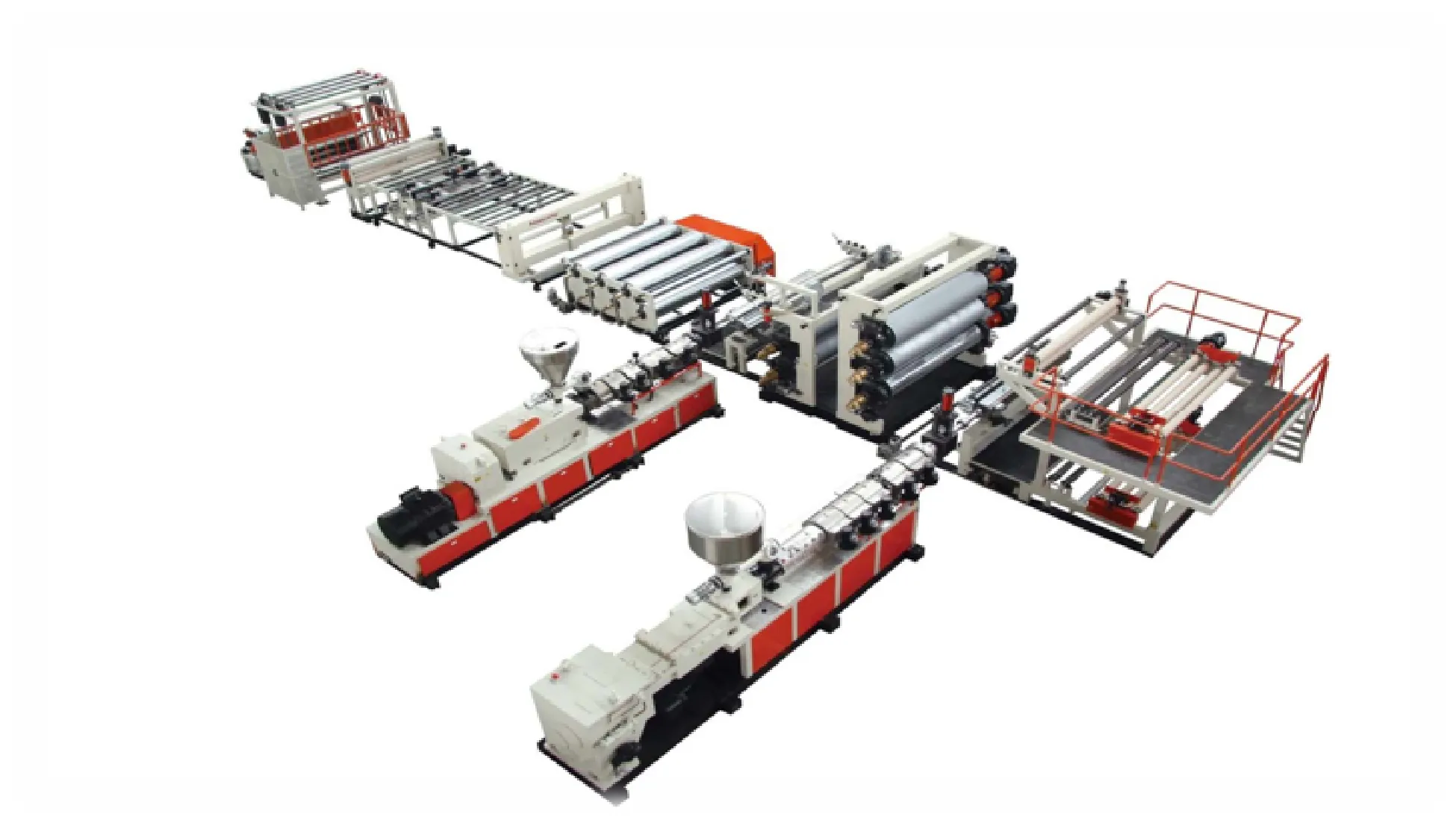
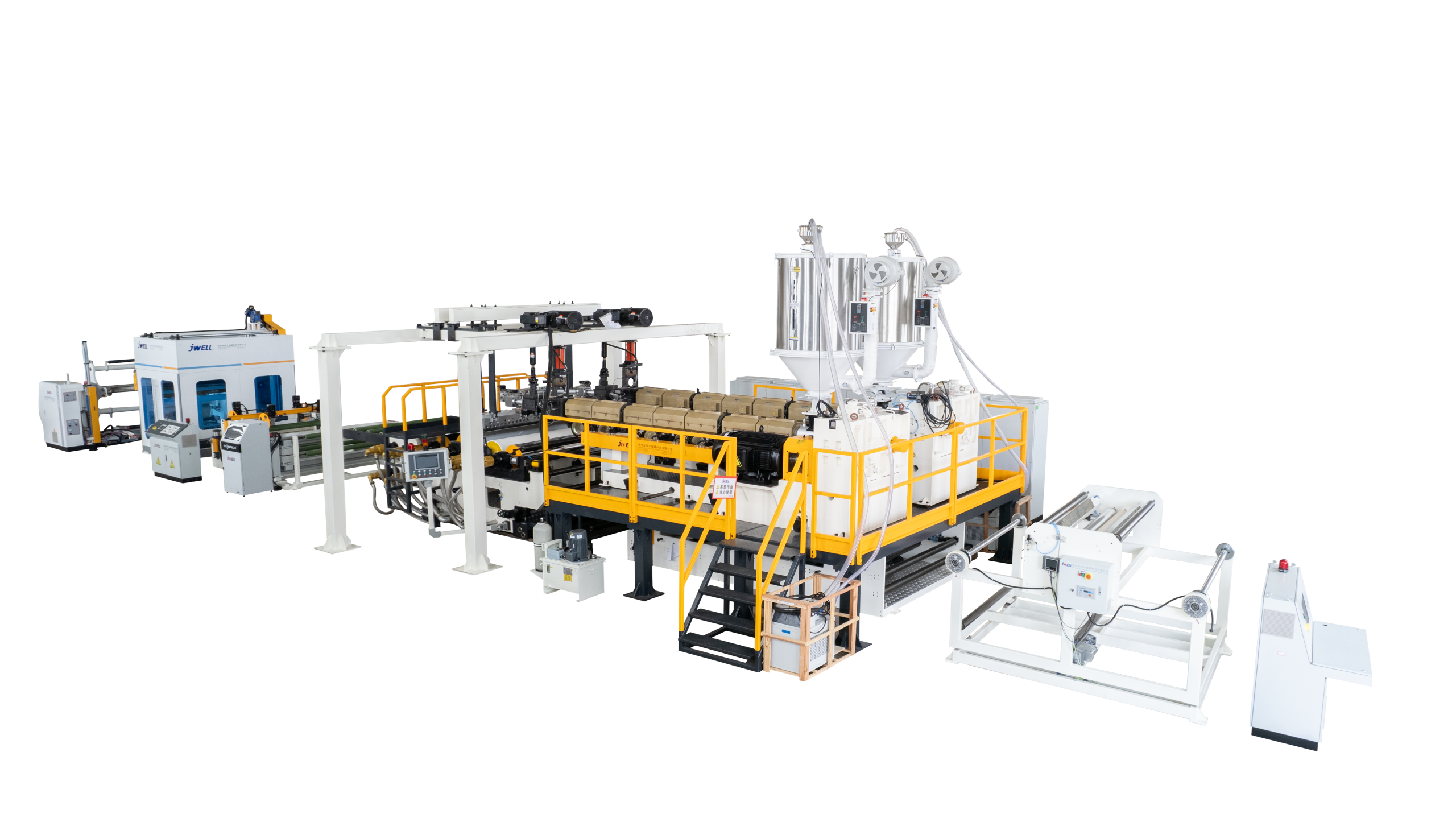
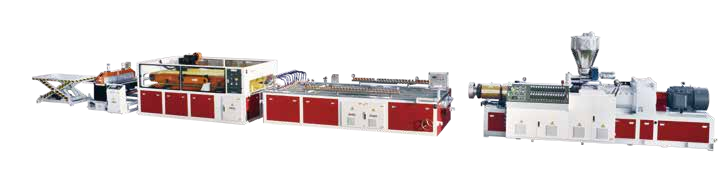
The Jwell EVA (Ethylene Vinyl Acetate) geomembrane extrusion line is purpose-built for manufacturing flexible, high-elongation waterproof liners that excel in applications where substrate movement, complex geometry, and long-term sealing integrity are non-negotiable. EVA geomembrane occupies a distinct position in the waterproofing materials spectrum — delivering elongation at break typically exceeding 700%, more than triple that of standard HDPE geomembrane, while offering superior chemical bonding characteristics that make it the preferred material for composite waterproofing systems in tunnel engineering, hydraulic structures, and underground construction projects. The line achieves production capacities from 300 to 600 kg/h across a thickness range of 1.0 to 3.0 mm and sheet widths up to 4,000 mm.

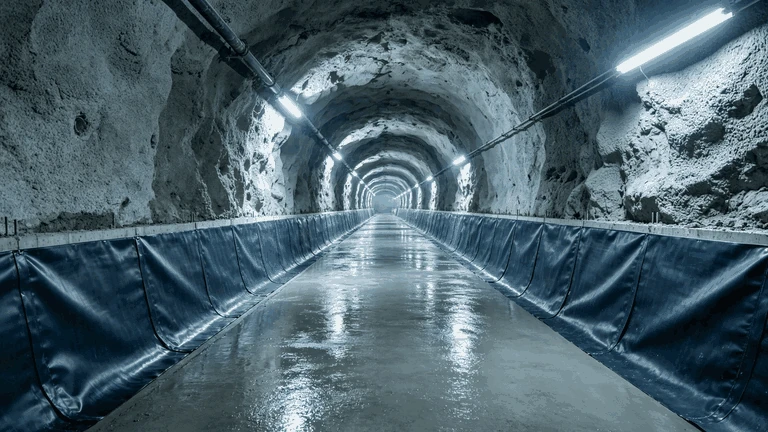
Unlike rigid geomembrane materials that resist substrate deformation, EVA geomembrane is designed to accommodate it. This flexibility is the product’s defining engineering advantage: in tunnel waterproofing applications, where the liner must conform to shotcrete surfaces with irregular profiles and then survive decades of ground settlement, thermal cycling, and hydrostatic pressure without cracking or delamination, EVA’s high elongation and low-temperature flexibility provide a margin of safety that stiffer materials cannot match. The material also bonds effectively with concrete, creating a mechanical interlock when cast-in-place concrete is poured against the textured EVA surface — a critical performance characteristic for composite lining systems where the waterproof layer is placed between primary shotcrete support and final cast-in-place concrete lining.

Changzhou Jwell Plate & Sheet Equipment Technology Co., Ltd. has applied 29+ years of extrusion engineering expertise to the specific challenges of EVA processing. EVA copolymer presents a narrower processing window than polyolefins due to the thermal sensitivity of its vinyl acetate component — excessive barrel temperatures or residence time can generate acetic acid, causing corrosion and product degradation. Jwell’s EVA-specific extruder design addresses this with chrome-plated, low-shear screw geometry, corrosion-resistant barrel lining, and multi-zone PID temperature control that maintains melt temperature within ±1.5°C of setpoint. The line incorporates WEG motors, ABB inverters, Siemens PLC controls, and Schneider electrical components, with CE certification and ISO 9001 quality management documentation supplied as standard.

EVA Geomembrane Extrusion Line: Related JWELL Extrusion Lines

The EVA Geomembrane Extrusion Line is part of JWELL’s complete extrusion portfolio. Customers evaluating this EVA Geomembrane Extrusion Line also frequently request our EVA POE Solar Film Extrusion Line | 150-400kg/h | Jwell Machinery and TPO Waterproof Membrane Line | Jwell Machinery, which share the same proven screw, die and control platforms. For layout drawings, pricing and lead times, contact JWELL Machinery directly.

# Item Key Point
1 🌀 Low-Shear EVA-Optimized Screw Design The 30:1 L/D single-screw extruder features a proprietary screw geometry specifically developed for EVA copoly
2 ⚡ Multi-Pattern Texturing System for Concrete Bonding EVA geomembrane’s ability to bond with cast-in-place concrete is a defining performance advantage in composite
3 🎯 Dual-Side Temperature-Controlled Roll Stack The three-roller horizontal calibration stack uses individually driven rolls of 400 mm diameter with dual-zone
4 🔄 Precision Tension-Controlled Winding with Anti-Blocking EVA geomembrane’s low surface hardness and high coefficient of friction create a tendency for wound rolls to b

Low-Shear EVA-Optimized Screw Design

The 30:1 L/D single-screw extruder features a proprietary screw geometry specifically developed for EVA copolymer processing. The compression ratio, feed depth, and metering section length are balanced to achieve complete melting with minimum shear heating — critical because EVA’s vinyl acetate groups begin decomposing above 230°C, releasing corrosive acetic acid. Jwell’s screw design maintains melt temperature in the 170-200°C range while delivering homogeneous melt at full throughput, protecting both product quality and equipment longevity. The barrel interior receives a bimetallic liner (58-62 HRC) with chrome plating of minimum 30-micron deposit thickness on all melt-contact surfaces for acetic acid corrosion resistance.

Multi-Pattern Texturing System for Concrete Bonding

EVA geomembrane’s ability to bond with cast-in-place concrete is a defining performance advantage in composite tunnel lining systems. Jwell’s texturing station uses an interchangeable embossing roller system that can produce multiple surface patterns — including stud, grid, and random texture profiles — with controlled asperity height from 0.2 to 0.8 mm. This surface texturing, applied during the cooling phase while the sheet is still in its thermoplastic state, creates a mechanical interlock surface that develops a peel strength exceeding 8 kN/m when bonded with structural concrete, meeting the requirements of EN 13491 and similar international geomembrane installation standards for tunnel and underground structure waterproofing.

Dual-Side Temperature-Controlled Roll Stack

The three-roller horizontal calibration stack uses individually driven rolls of 400 mm diameter with dual-zone temperature control on each roll. This configuration provides independent management of the top and bottom sheet surface temperatures during cooling — essential for EVA because its low thermal conductivity and high specific heat capacity make uniform cooling challenging. The roll surfaces are chrome-plated and polished to Ra ≤0.10 µm for smooth-surface production, and can be swapped to textured chrome for the embossing configuration without removing the entire stack from the line frame.

Precision Tension-Controlled Winding with Anti-Blocking

EVA geomembrane’s low surface hardness and high coefficient of friction create a tendency for wound rolls to block (stick together) under the compressive forces of winding tension. Jwell’s turret winder incorporates an automated taper tension control system that progressively reduces winding tension as roll diameter increases, combined with an integrated anti-block interleaving film applicator that places a thin PE separator layer between each wrap. The system handles rolls up to 1,200 mm diameter and 2,500 kg weight, with automated cut-over between finished and empty cores at full line speed.

Technical Specifications

Parameter Specification
Applicable Material EVA copolymer (VA content 14-28%), EVA + LDPE blends, EVA + carbon black
Sheet Width 2,000 – 4,000 mm
Sheet Thickness 1.0 – 3.0 mm
Production Capacity 300 – 600 kg/h
Surface Type Smooth / Textured (single or double side)
Extruder Model JW-120/150 single-screw, 30:1 L/D, low-shear EVA geometry
Screw Material Nitrided steel, chrome-plated, corrosion-resistant
Die Type Flat T-die with coat-hanger manifold, adjustable lip
Haul-Off Speed 1.0 – 8.0 m/min
Calibration System 3-roll horizontal stack, chrome polished, individual drive
Roll Temperature Range 30 – 80°C
Texturing System Embossing roller with interchangeable pattern sleeves
Winding System Center/surface turret winder, tension-controlled
Electrical Components Schneider circuit breakers, contactors & relays
Control System Siemens S7-1200 PLC with 10″ HMI touchscreen
Power Supply 380V / 50Hz (customizable to 440V/60Hz)
Installed Power 250 – 450 kW
Machine Dimensions (L×W×H) 40,000 × 5,500 × 4,000 mm

Tunnel and Underground Structure Waterproofing

EVA geomembrane is the standard waterproofing material specified for bored tunnels, cut-and-cover tunnels, metro stations, and underground storage caverns in Europe and Asia. Installation between the primary shotcrete lining and the final cast-in-place concrete creates a fully bonded composite waterproofing system. The sheet’s high elongation (≥700%) accommodates shotcrete surface irregularities without bridging or tearing, and the textured surface achieves a concrete bond strength that prevents water migration between the membrane and the concrete lining in the event of a local defect.

Hydraulic Dam and Reservoir Lining

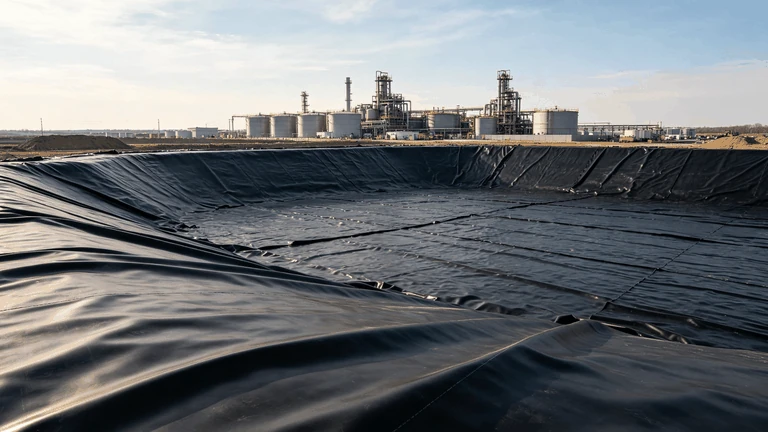
Concrete-faced rockfill dams (CFRD), roller-compacted concrete dams, and canal linings use EVA geomembrane as a waterproof facing bonded to the upstream concrete surface. The material’s flexibility allows it to conform to dam face curvature and settlement joints, while its chemical inertness prevents degradation from long-term freshwater or treated water contact. The EVA membrane’s proven concrete bonding eliminates the need for mechanical fastening systems in many dam face applications, reducing installation complexity and eliminating fastener penetration points that create potential leak paths.

Frequently Asked Questions

How does EVA geomembrane compare to HDPE and TPO for tunnel waterproofing applications, and when should each be specified? -

EVA geomembrane delivers elongation at break exceeding 700%, versus approximately 200-300% for HDPE and 600-800% for TPO. Where EVA distinguishes itself from both alternatives is in concrete bonding — EVA’s vinyl acetate content creates a chemical affinity for cement hydration products that produces measurably higher peel strength in composite lining systems. TPO offers superior UV resistance for exposed applications, while HDPE provides better puncture and chemical resistance. For tunnel waterproofing where concrete bond strength is the critical specification, EVA is the preferred material. For exposed pond liners, TPO may be preferred. For chemical containment with abrasive backfill, HDPE is typically specified.

What VA (vinyl acetate) content should be specified for different applications, and how does VA content affect processability? +

VA content in EVA geomembrane grades typically ranges from 14% to 28%. Higher VA content (25-28%) maximizes flexibility, elongation, and low-temperature performance — preferred for cold-climate tunnel projects and winter installation conditions. Medium VA content (18%) provides the best balance of flexibility and strength for general dam and reservoir applications. Lower VA content (14%) offers improved chemical resistance and higher modulus for waste containment. From a processing perspective, higher VA grades are more thermally sensitive and require 5-10°C lower barrel temperature profiles to prevent acetic acid generation. The Jwell line’s multi-zone PID temperature control and corrosion-resistant metallurgy handle the full VA range without difficulty.

Can this line produce both smooth and textured EVA geomembrane without extended changeover downtime? +

Yes. The texturing system uses a quick-change embossing roller cartridge that can be swapped in approximately 30-45 minutes by two operators. The roll stack temperature profile and haul-off speed parameters for smooth versus textured production are stored as separate recipes in the Siemens PLC, enabling parameter recall with a single button press. A typical production sequence would run smooth sheet for dam facing applications (several days), then change to textured sheet for tunnel waterproofing supply (several days), with the changeover completed during a planned maintenance window.

Related Sheet Extrusion Lines

WPC Flooring Production Line

WPC Flooring Production Line

Extruder Type: Conical twin-screw, vented; Screw Material: 38CrMoAlA, nitrided, bimetallic optional; Screw Structure: Conical twin, designed for PVC + wood flour + CaCO₃ + foaming agent; L/D Ratio: Optimized for controlled foaming zone
Learn More ➔
SPC Flooring Production Line

SPC Flooring Production Line

Screw Diameter: Φ 80 mm / Φ 92 mm / Φ 110 mm / Φ 180 mm; Output (24h, SPC): 6-8 T / 12-18 T / 25-32 T / 70-100 T; Line Speed at 4 mm: 0.4-0.6 m/min / 0.8-1.3 m/min / 1.8-2.4 m/min / 5-9 m/min; Screw Material: 38CrMoAlA, nitrided, bimetallic optional / ← Same / ← Same / ← Same

Learn More ➔

Why Choose Jwell for Your PET Sheet Line

🏭

Factory/Experience

Jwell has manufactured PET sheet extrusion equipment since 2005, accumulating field data from over 400 installed PET lines worldwide. Each new machine generation incorporates refinements validated across hundreds of real production environments — not just lab prototypes.

🔬

Test/Validate

Our Changzhou facility operates a full production-scale PET line for customer trials. Bring your raw materials and target specifications — we run your recipe before you commit. The line delivered to your factory is a proven configuration, eliminating startup risk.

🌍

Service/Support

Factory-trained Jwell engineers based in Brazil, Spain, Mexico, and Shanghai travel to customer sites for installation and operator training. Remote diagnostic support via WeChat/WhatsApp responds within 2 hours. Critical spares ship from Shanghai within 48 hours.

Request a Quote or Technical Consultation

Your information will never be shared with third parties.